The Hong Kong issue
Hong Kong's hiking trails and green space — the surprising wilderness beyond the skyscrapers, from Dragon's Back to the MacLehose Trail
Forty percent of Hong Kong is protected country park, and most of it starts a single MTR ride from your hotel — this is the wilderness the skyline hides, walked, not driven to.

By Inês RochaThe city past the skyline, on foot and by ferry
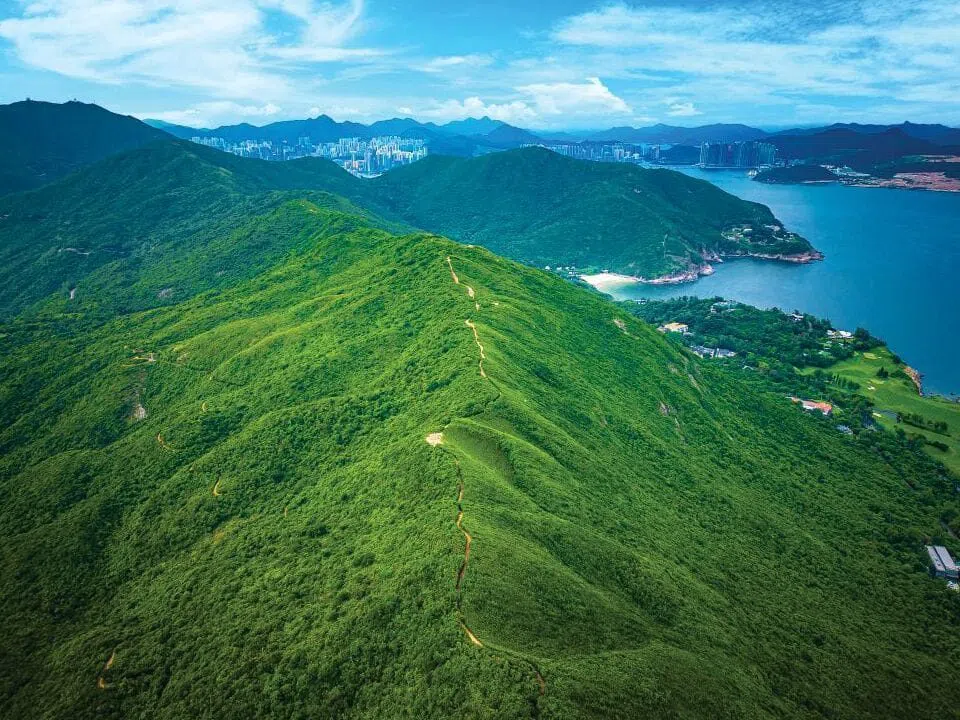
Fly into Hong Kong braced for glass and neon, and the first ridge line above Shek O will wreck that assumption inside an hour — turquoise water, empty grass headland, not a tower in sight. Almost forty percent of this territory is protected country park, and most of it starts a single MTR ride from your hotel. This is the wilderness the skyline hides, and it rewards you for walking into it on your own two feet rather than being driven up to a viewpoint — every trail below is one you reach under your own steam, because a view you were driven to is a view, not a hike. For the fuller lay of the city around these trails, the Hong Kong guide covers what sits below the ridgelines.
The hour-from-Central classics: Dragon's Back and Lion Rock
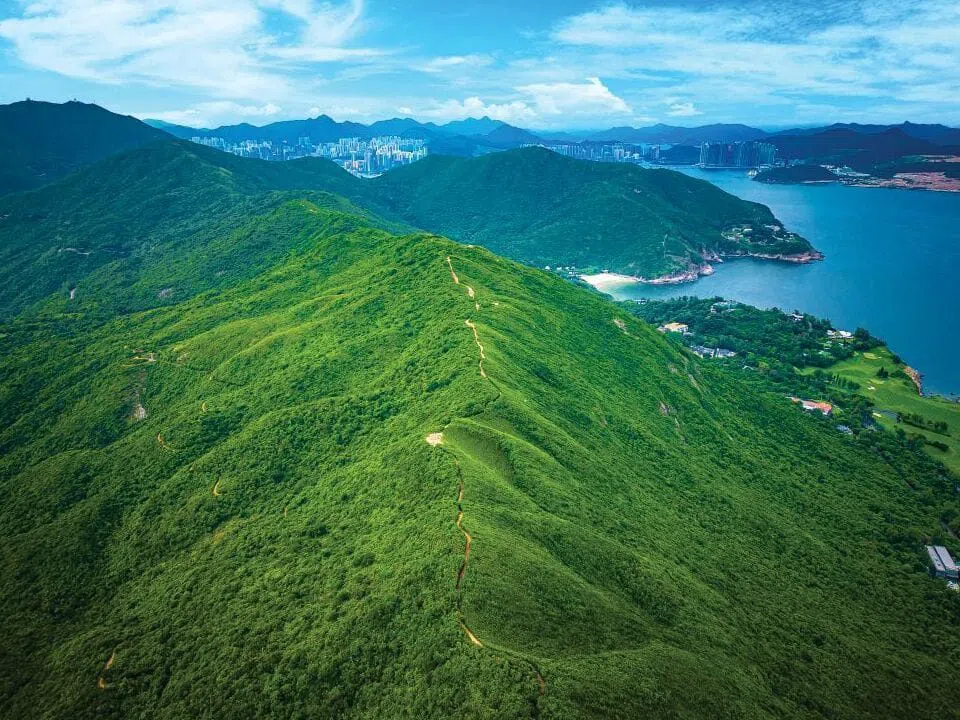
Dragon's Back (Shek O, Hong Kong Island) is the trail every visitor should walk at least once, and the one that convinces skeptics the "urban wilderness" line isn't marketing copy. Take the MTR to Shau Kei Wan, then bus 9 toward Shek O and get off at the To Tei Wan stop — from there the trail climbs onto an undulating grass ridge with the South China Sea on one side and Big Wave Bay on the other, dropping you eventually into Shek O village for a beer and a swim. It's a public AFCD trail with no booking and no gate, which makes it the easiest "wilderness in an hour" story for anyone landing in Central with a free morning. The catch is popularity: the single-file sections near the ridge crest bottleneck badly on Saturday and Sunday mornings, so if you're bringing a group, go on a weekday or start before 9am. It's free, it's short (two to three hours end to end), and it is consistently rated among the best urban hikes anywhere in the world — which is a real claim here, not a brochure line.
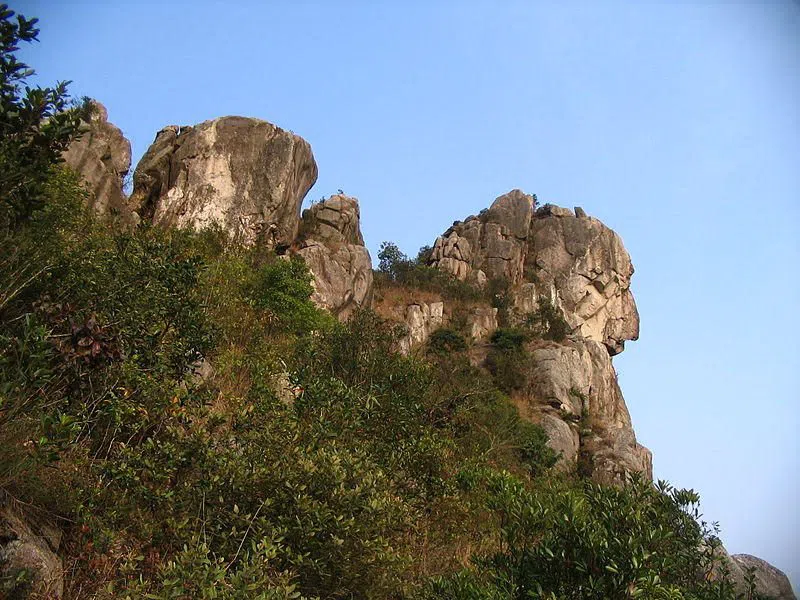
Lion Rock (Wong Tai Sin, Kowloon) carries more weight than any other hike on this list, because it's the peak that gave Hong Kong its "Lion Rock spirit" — the nickname for the city's postwar can-do grit, still invoked in political speeches. Walk up via Wong Tai Sin MTR and Sha Tin Pass Road, or approach from Tai Wai on the Kowloon side; either way it's an open AFCD trail with no restrictions. The final scramble to the actual lion's "head" narrows to a single-file rock ledge with real exposure, and it genuinely isn't a place to bring a large or slow-moving group — send the fit two or three ahead and let everyone else enjoy the saddle below, which already gives you the clearest single shot in the city of skyline meeting wilderness, Kowloon's towers stacked directly beneath the summit. Free, unbooked, and worth timing for late afternoon light.
Plan your Hong Kong trip
Live prices from our booking partners.
Free cancellation on many rooms. We may earn a commission when you book.
Going the distance: MacLehose Trail Section 2 and Pat Sin Leng
Say "the MacLehose" to a serious Hong Kong hiker and they mean one stretch: MacLehose Trail — Section 2, Sai Kung (Sai Kung Peninsula, New Territories). This is the section that runs through a UNESCO Global Geopark of hexagonal volcanic rock columns, and it's spectacular enough that it absorbs tour groups and school trips without complaint most of the year — the trouble is public holidays. Reports from the 2026 Labour Day weekend describe genuine queues at the trailhead and one-way taxi controls brought in just to manage the volume, so if you're planning around a holiday date, don't. Reach the start at Pak Tam Chung by minibus or taxi from Sai Kung town — there's no charge for the trail itself, only for getting to and from the trailhead — and go early or midweek if you want the geopark coastline to yourself rather than shared with a queue.
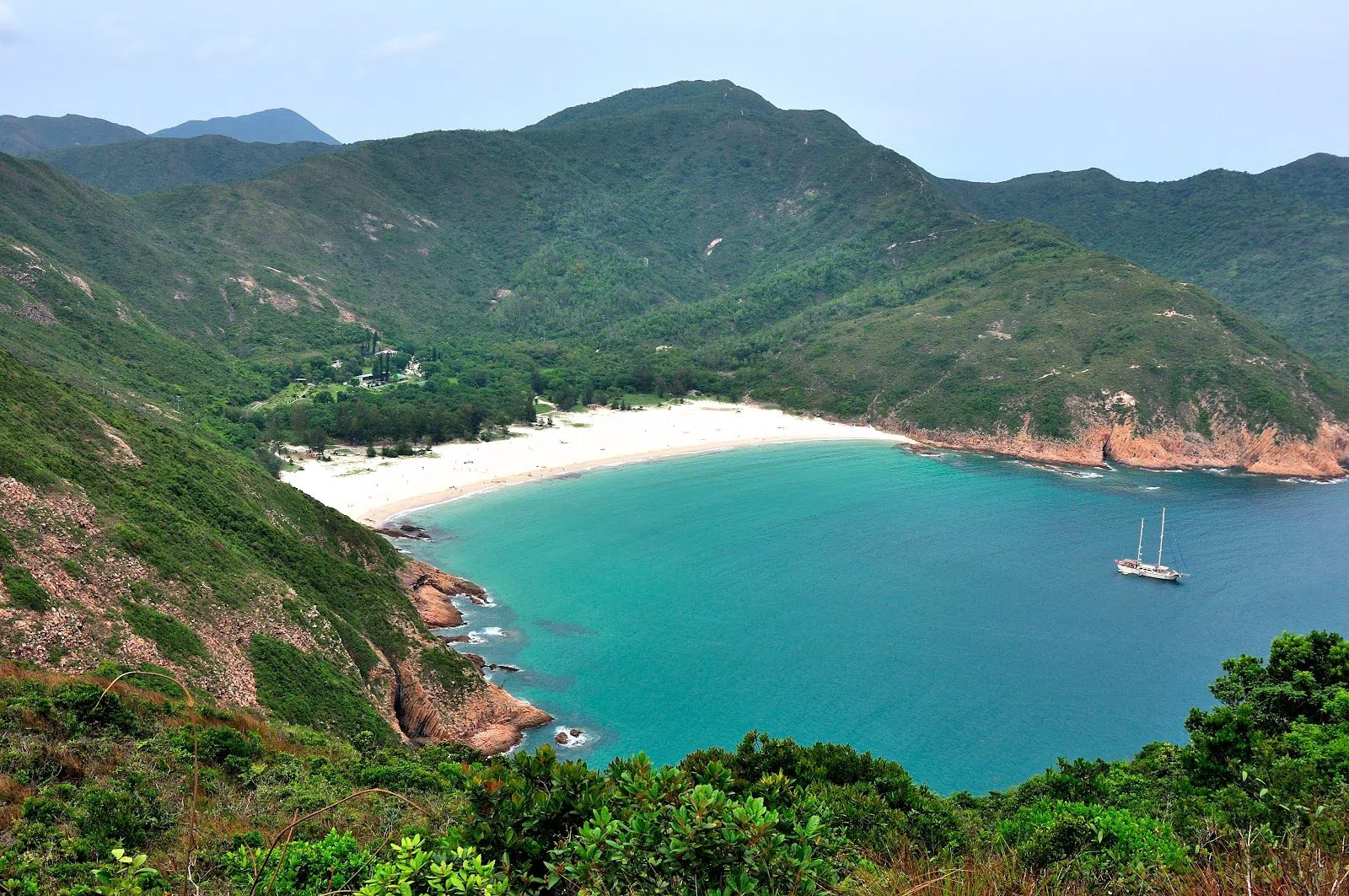
Pat Sin Leng (Eight Immortals Ridge) (Tai Mei Tuk, New Territories) is the New Territories test-piece, a switchbacking ridge walk that rewards fitness with some of the best 360-degree views in the territory. One important flag: the old direct entrance to the ridge has been closed by a landslide for several years now, so the route in is via Bride's Pool Road — plan your approach through Tai Mei Tuk and Bride's Pool, not the historic access point, or you'll arrive at a barrier. It's an open AFCD trail, free, and suits a fit group rather than a mixed-ability one — there's real elevation gain and no shortcut once you've committed to the ridge.
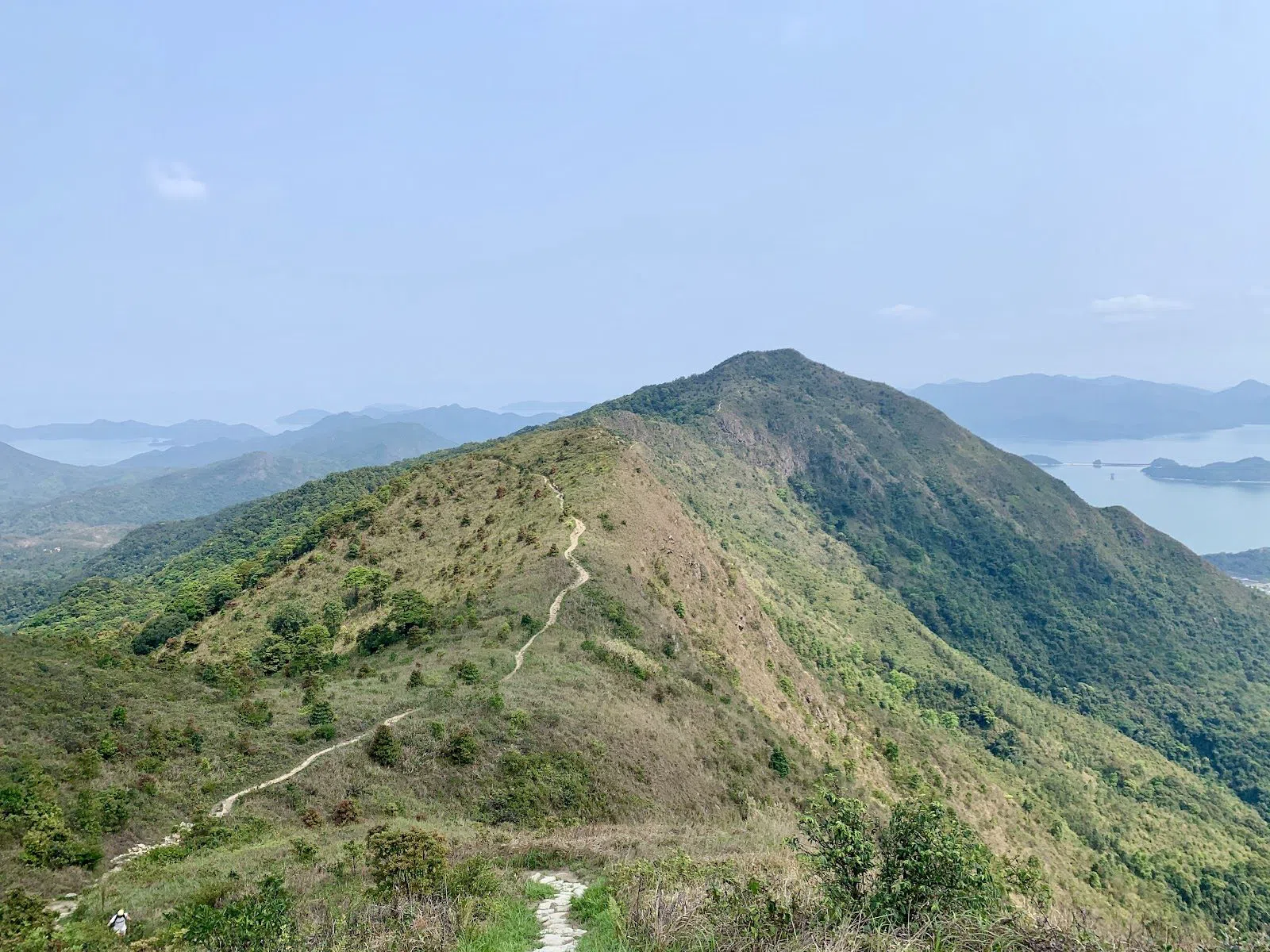
The roof of the territory and the wild west coast: Tai Mo Shan and Sunset Peak
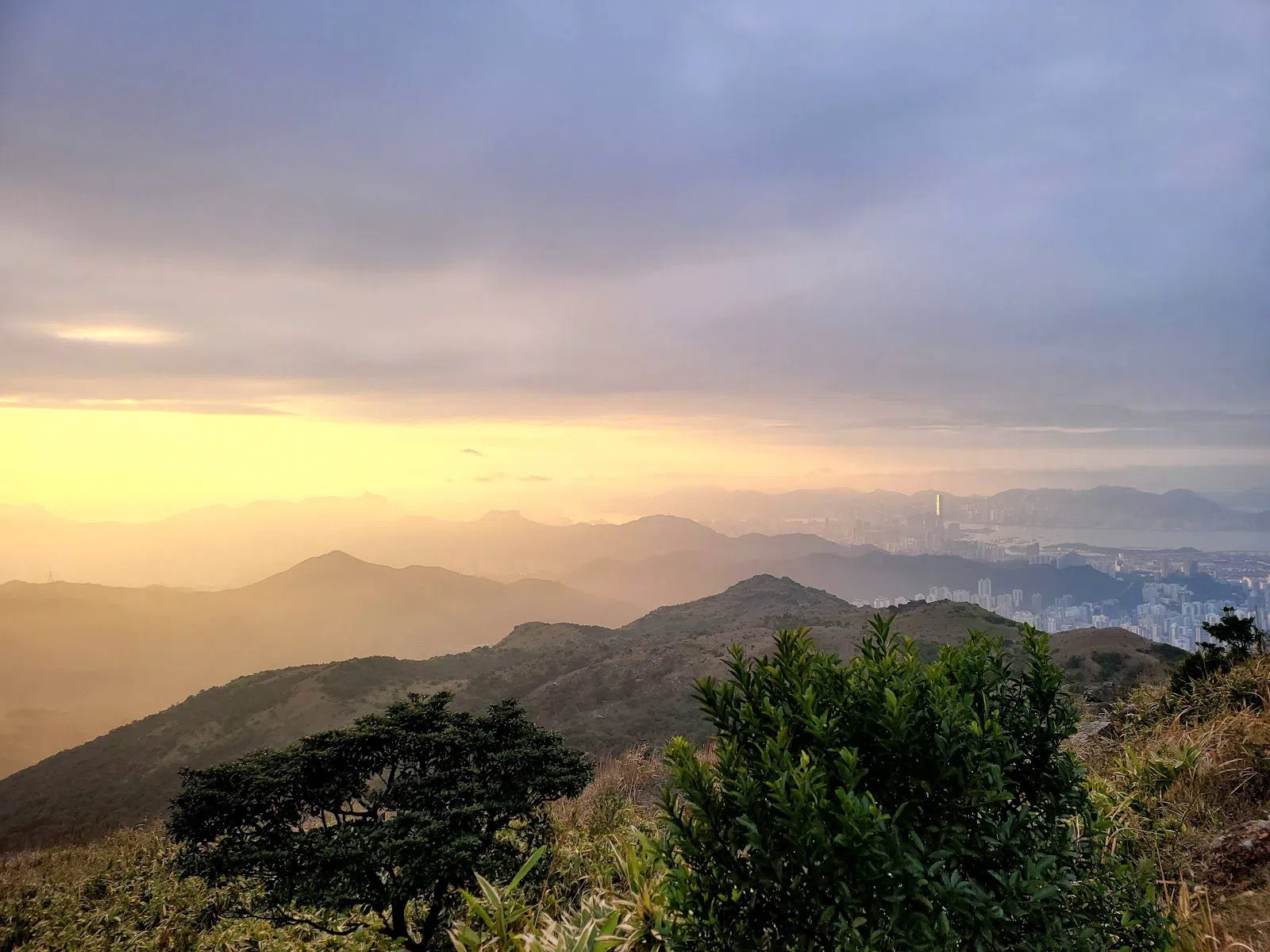
Tai Mo Shan (Route Twisk, New Territories) is Hong Kong's roof at 957 metres, and it's the single piece of evidence that shuts down anyone who assumes the whole territory is high-rise. What makes it unusual on this list is accessibility: AFCD manages a paved-road option up from the Tai Mo Shan Country Park Visitor Centre, reachable by bus along Route Twisk from Tsuen Wan, that's genuinely walkable by families and less-fit members of a group who'd struggle on Lion Rock's scramble or Pat Sin Leng's ridge. It's free, it's often noticeably cooler and mistier at the summit than the city below, and on a clear day the view stretches to Lantau and across the border into mainland China.
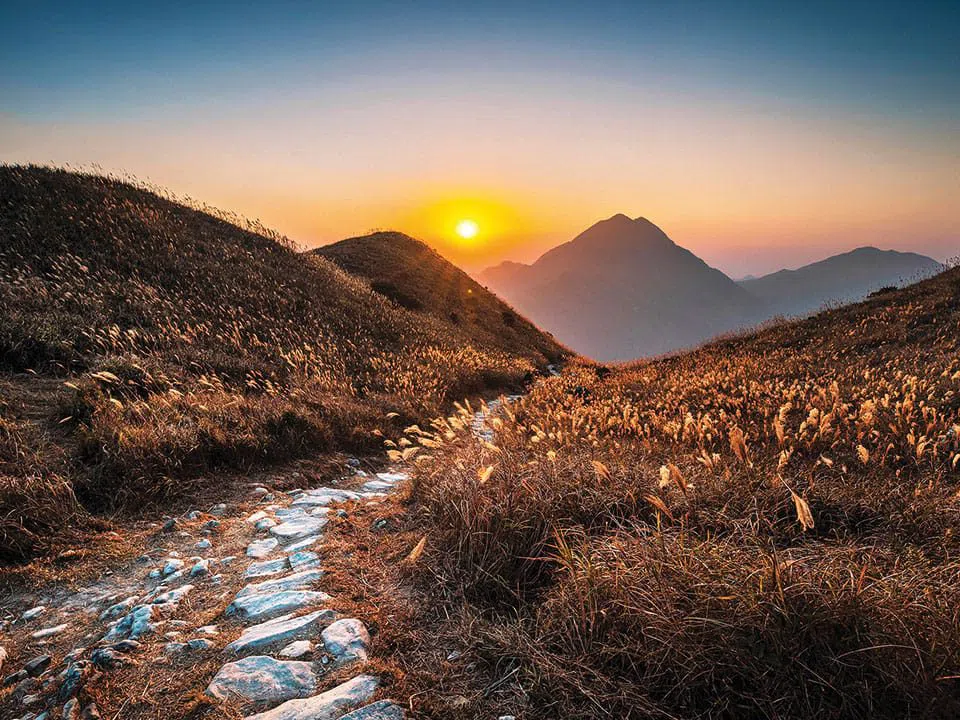
Sunset Peak (Lantau Trail, Section 1, Lantau Island) is the most photogenic sunset in the territory, and proof that Lantau is more than the airport and the Big Buddha cable car. Reach the trailhead at Pak Kung Au by bus from Mui Wo or Tung Chung, then climb — it's steep and exposed the whole way up, with grass slopes that offer zero shelter if the weather turns, so this is a hike for a capable small group, not a large or slow-moving party, and definitely not one to attempt in poor visibility. Time your ascent to summit forty-five minutes before sunset and you'll have one of the widest, least obstructed horizons in Hong Kong, with the airport runways and outlying islands laid out below.
Water, woodland and wildlife: Tai Tam and Shing Mun
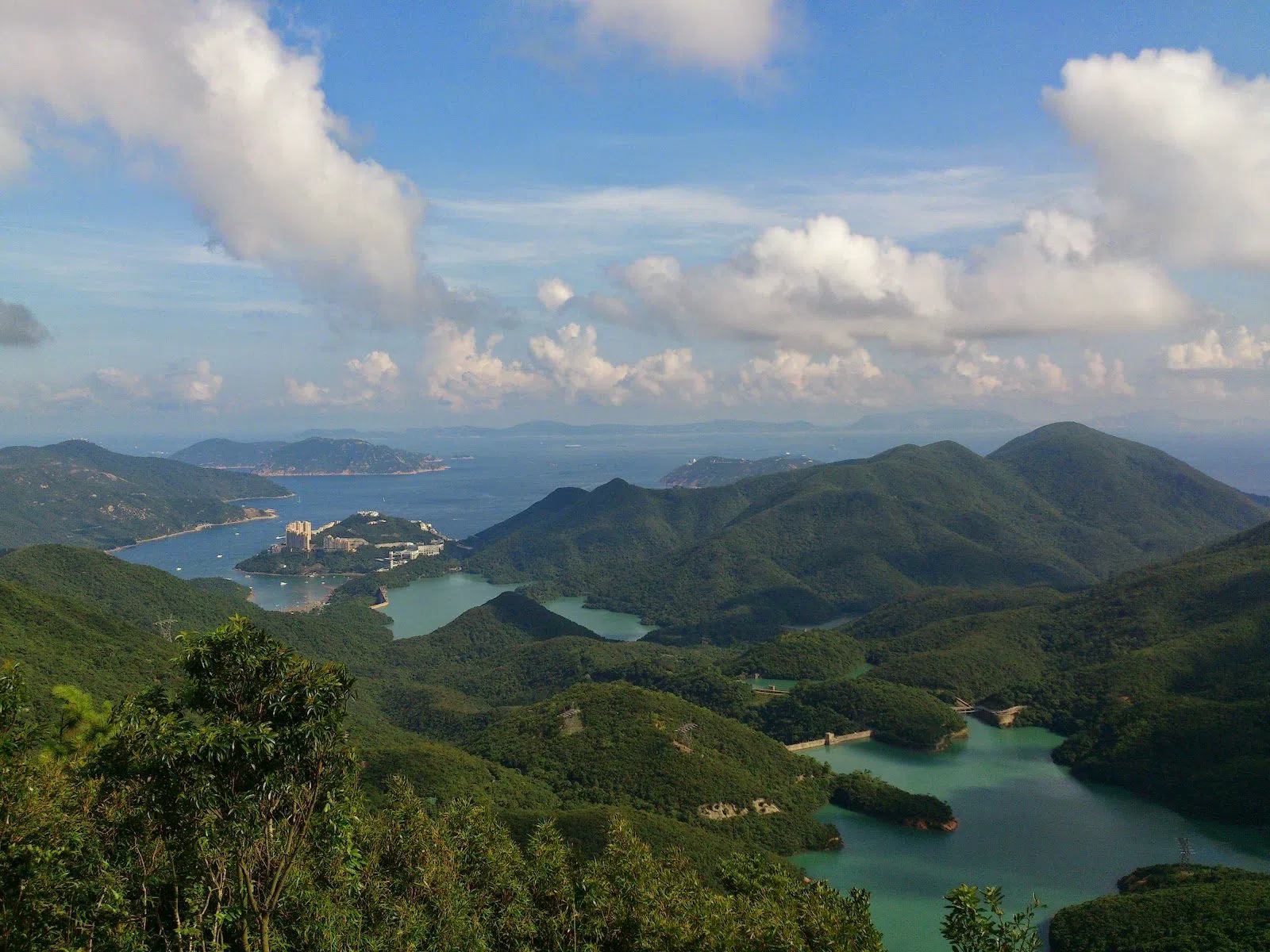
Tai Tam Country Park (Stanley, Hong Kong Island) is the gentler option for a group that wants to disappear from the city without a summit push. It's a Victorian waterworks — dams, aqueducts, a colonial-era reservoir system — reclaimed by rainforest, open 24 hours with easy bus links from Central, Causeway Bay and Stanley, and the walking here is forest track rather than ridge scramble. Free, unbooked, and the least strenuous way on this list to feel like you've left Hong Kong Island entirely, five minutes from Stanley Market.
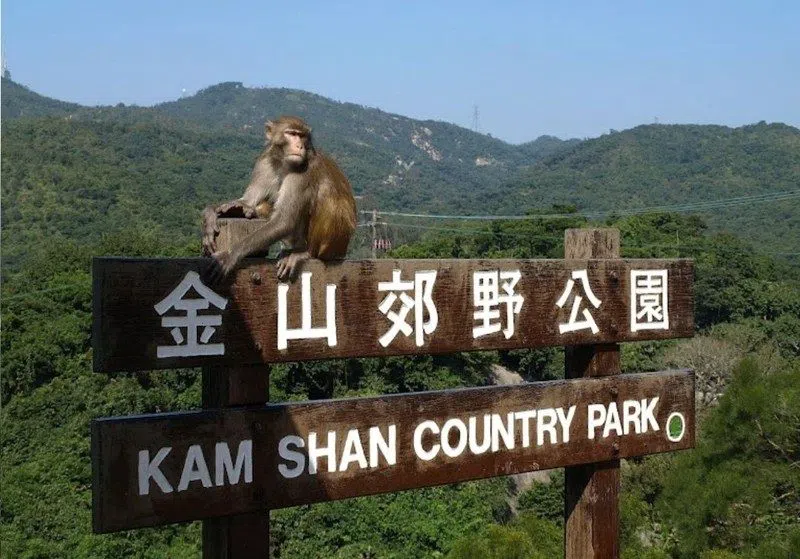
Shing Mun Country Park, known locally as Monkey Mountain (Tsuen Wan, New Territories), is the wildlife-encounter entry on this list and a good curveball fact for anyone who thinks Hong Kong's countryside is all views and no fauna. Take the MTR to Tsuen Wan and a short minibus ride into the park, and within fifteen minutes of the station you're walking an easy reservoir loop past genuinely wild macaques. One practical warning worth repeating to any group: don't carry open food. The monkeys are habituated and will take it directly from a bag or hand. Free, easy, and a good half-day loop for families or anyone wanting company without a climb.
Wetlands and the outer islands: Wetland Park, Mai Po and Tap Mun
Hong Kong Wetland Park (Tin Shui Wai, New Territories) is the accessible, purpose-built version of the wetland experience — a ticketed reserve with boardwalks, hides and an indoor visitor centre that handles school and tour groups with ease. Admission runs around HK$30 (about US$4) for an adult, reachable via light rail to the Wetland Park stop, and it's the right choice if you want migratory-bird watching without organizing a specialist guide.

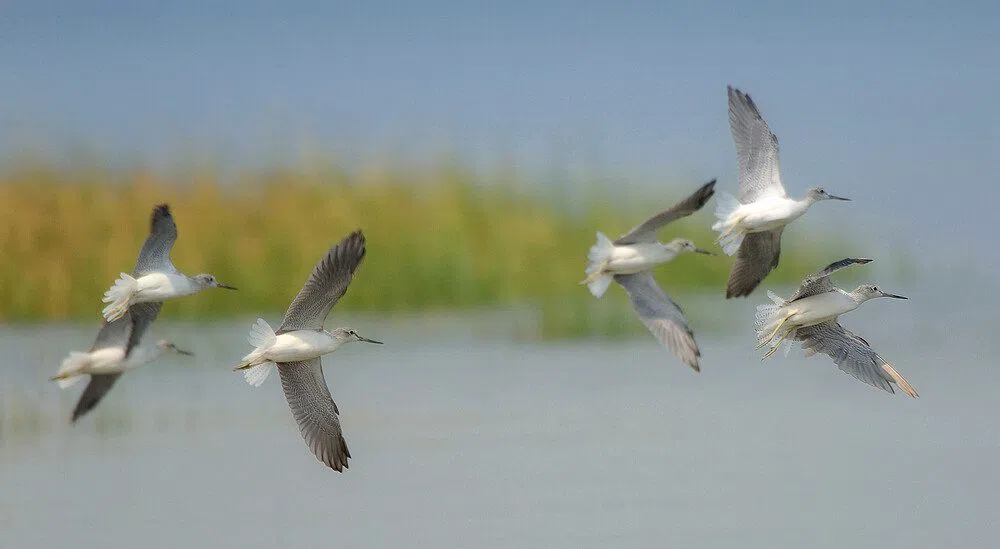
For the real thing, there's Mai Po Nature Reserve (Deep Bay, near Yuen Long), an internationally significant Ramsar wetland and arguably the single best argument that Hong Kong's green space rivals its skyline for global reputation. Independent entry needs Birdwatching Society or WWF membership, so for almost every visitor this means booking a WWF-run guided tour — expect to pay roughly HK$150 to HK$250 per person, and book at least a week ahead, since spaces are limited and guides are essential to interpret what you're seeing across the mudflats and gei wai shrimp ponds. Groups and schools can book guided visits directly with WWF, which makes this one of the few entries on this list that genuinely requires forward planning rather than a spontaneous morning.
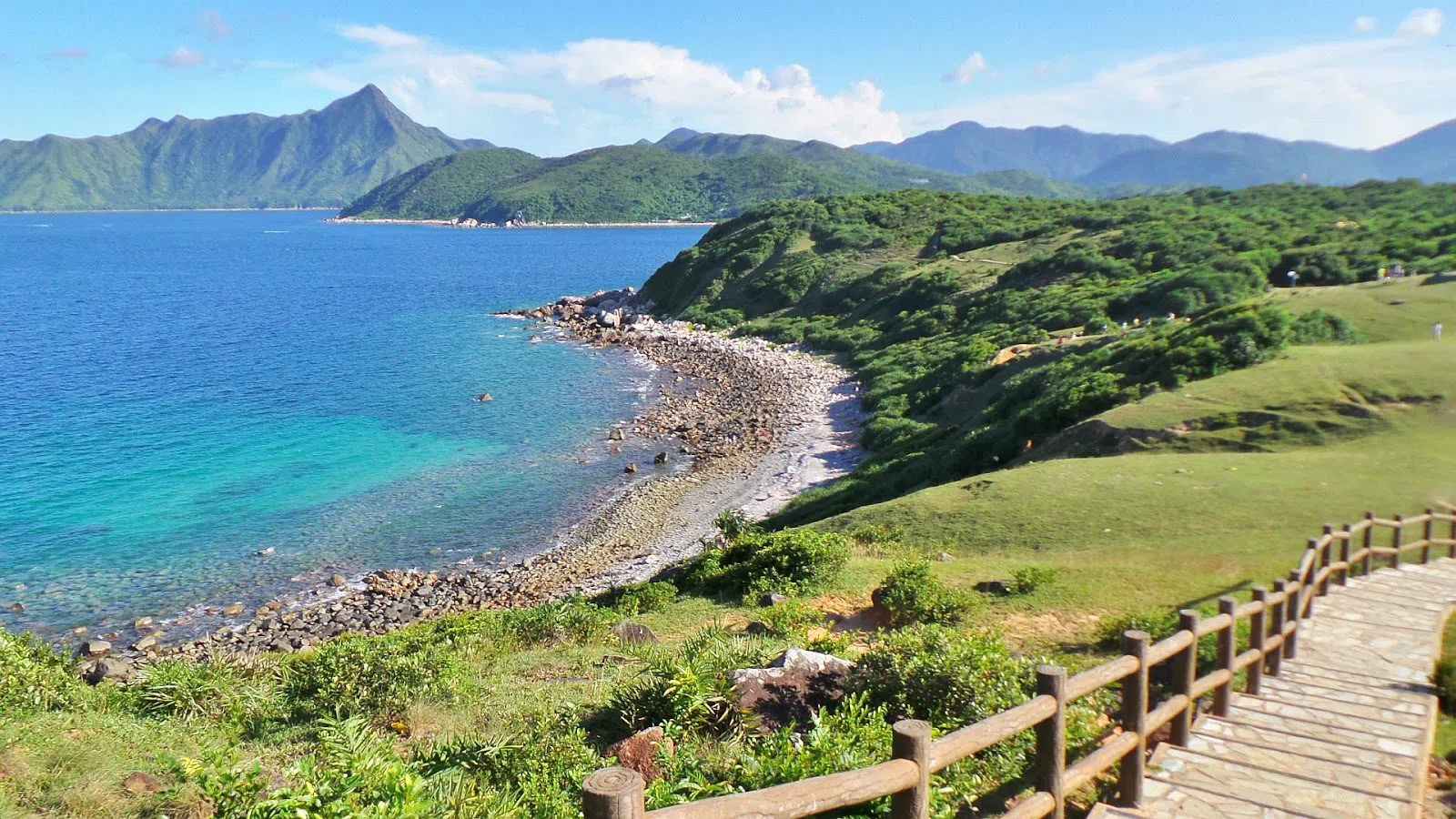
Tap Mun (Grass Island) (Sai Kung outer waters) is the furthest-flung, least-city entry here — genuine outlying-island wilderness barely ninety minutes from Central door to door. Catch the kaido ferry from Wong Shek Pier in Sai Kung or from Ma Liu Shui near University MTR station; a return trip runs roughly HK$30 to HK$55 depending on route. Sailings are limited and can fill on weekends, so check the timetable before you commit a whole day to it. Once there, the island is treeless grassland and sea cliffs, grazing cattle, a small fishing village and a genuine sense of having left Hong Kong behind entirely — it suits a small group happy to build a day around a ferry timetable rather than a fixed schedule.
The no-effort wins: Hong Kong Park and the Peak Circle Walk
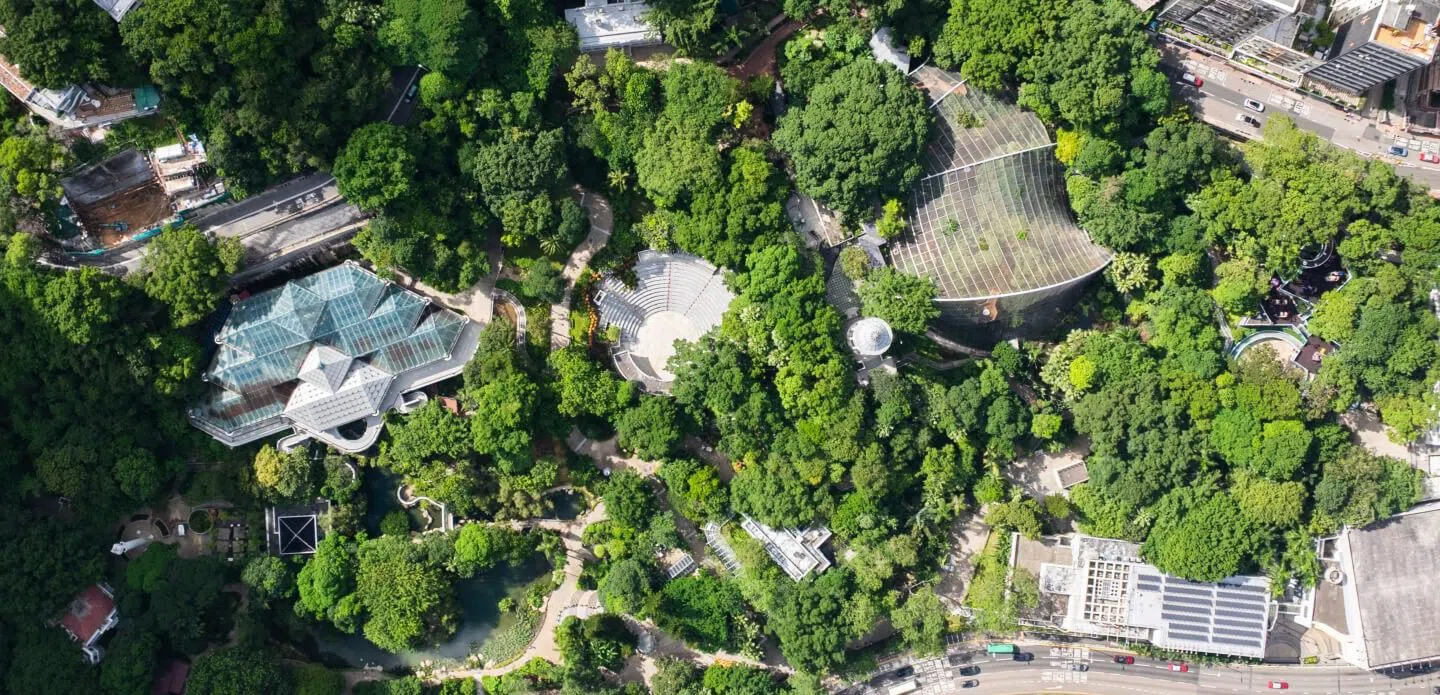
Hong Kong Park (Admiralty, Hong Kong Island) is the fastest possible contrast shot this city offers — jungle canopy, an aviary and a lotus pond, literally under the shadow of the Bank of China Tower, a two-minute walk from Admiralty MTR. It's free, handles large groups without any friction, and works as a twenty-minute detour rather than a planned excursion.
The Peak Circle Walk (The Peak, Hong Kong Island) is the low-effort finale for anyone who wants the wilderness view without the climb: flat, paved, and accessible to strollers, dogs and every mobility level, it circles the summit of Victoria Peak with framed views over the harbour and out toward Lamma. Ride the Peak Tram up from its Garden Road terminus in Central (the tram fare is separate from the walk itself, which is free), and pair it naturally with an earlier Dragon's Back or Lion Rock morning — one is the hike, this is the reward.

Getting there, cash, timing and budget
Every trail on this list is free to walk; the only costs are getting to and from trailheads (buses, minibuses, the Peak Tram, kaido ferries to Tap Mun) and the two ticketed exceptions, Hong Kong Wetland Park and guided Mai Po tours. An Octopus card covers MTR, most buses and the Peak Tram, but carry small cash notes for rural minibuses and the Tap Mun kaido, where card payment isn't always available. Weekday mornings beat weekends everywhere on this list — Dragon's Back, MacLehose Section 2 and the Peak Circle Walk in particular get materially more crowded from Saturday onward, and public holidays can mean real queues on MacLehose, as the 2026 Labour Day taxi controls showed. Summer (May to September) brings serious heat, humidity and the chance of typhoon signals that close trails outright — check the Hong Kong Observatory before committing to a ridge walk, and carry more water than feels necessary. Autumn and early spring (October to March) are the reliable hiking months, with lower humidity and clearer long-distance views from summits like Tai Mo Shan and Sunset Peak. Trail shoes rather than trainers are worth it on Pat Sin Leng, Sunset Peak and the Lion Rock scramble; the paved routes — Tai Mo Shan's road option and the Peak Circle Walk — don't need them. If you're mapping a multi-day itinerary around these trails, the Hong Kong hotel search is the place to start, since basing yourself near a relevant MTR line (Island Line for Dragon's Back and Tai Tam, Kwun Tong Line for Lion Rock, Tsuen Wan Line for Tai Mo Shan and Shing Mun) saves real time on trail mornings.
Before you go
Do I need to book any of Hong Kong's hiking trails in advance?
No — every AFCD trail on this list (Dragon's Back, Lion Rock, MacLehose Section 2, Pat Sin Leng, Tai Mo Shan, Sunset Peak, Tai Tam and Shing Mun) is open access with no booking or fee. The two exceptions are Hong Kong Wetland Park, which is ticketed at the gate, and Mai Po Nature Reserve, where independent visitors need Birdwatching Society or WWF membership, so most people book a WWF guided tour at least a week ahead.
What's the best time of year to hike in Hong Kong?
October to March, when humidity drops and long-distance views open up from summits like Tai Mo Shan and Sunset Peak. May to September brings serious heat and the risk of typhoon signals closing trails outright, so check the Hong Kong Observatory before committing to a ridge walk in summer.
Is Dragon's Back suitable for beginners and larger groups?
Yes — it's an unrestricted, well-graded ridge trail and one of the most group-friendly hikes on this list. The only real issue is crowding: the single-file sections near the ridge crest bottleneck on weekend mornings, so groups should aim for a weekday or start before 9am.
How do I actually get to Mai Po Nature Reserve?
Independent, unaccompanied entry isn't available to most visitors — you need Birdwatching Society or WWF membership to go it alone. The practical route in for almost everyone is a WWF-run guided tour, roughly HK$150–250 per person, booked at least a week in advance since spaces are limited.
Can the MacLehose Trail be hiked in a single day?
The full ten-section, 100km MacLehose is a multi-day or ultramarathon undertaking, but Section 2 in Sai Kung — the UNESCO Global Geopark stretch most visitors mean when they say 'the MacLehose' — is a comfortable half-day from Pak Tam Chung. Avoid public holidays, when 2026 Labour Day saw real trailhead queues and one-way taxi controls; go early or midweek instead.