The Hong Kong issue
Hong Kong's Typhoon Shelters: The Floating Communities and the Seafood That Feeds the City
A 2026 guide to the sheltered harbours where boat-dwelling families invented typhoon shelter crab, and the sampan kitchens, dai pai dong and island ferries where that world still feeds Hong Kong today.
By Marcus TsangCash-only, wok-fired and gone by noon
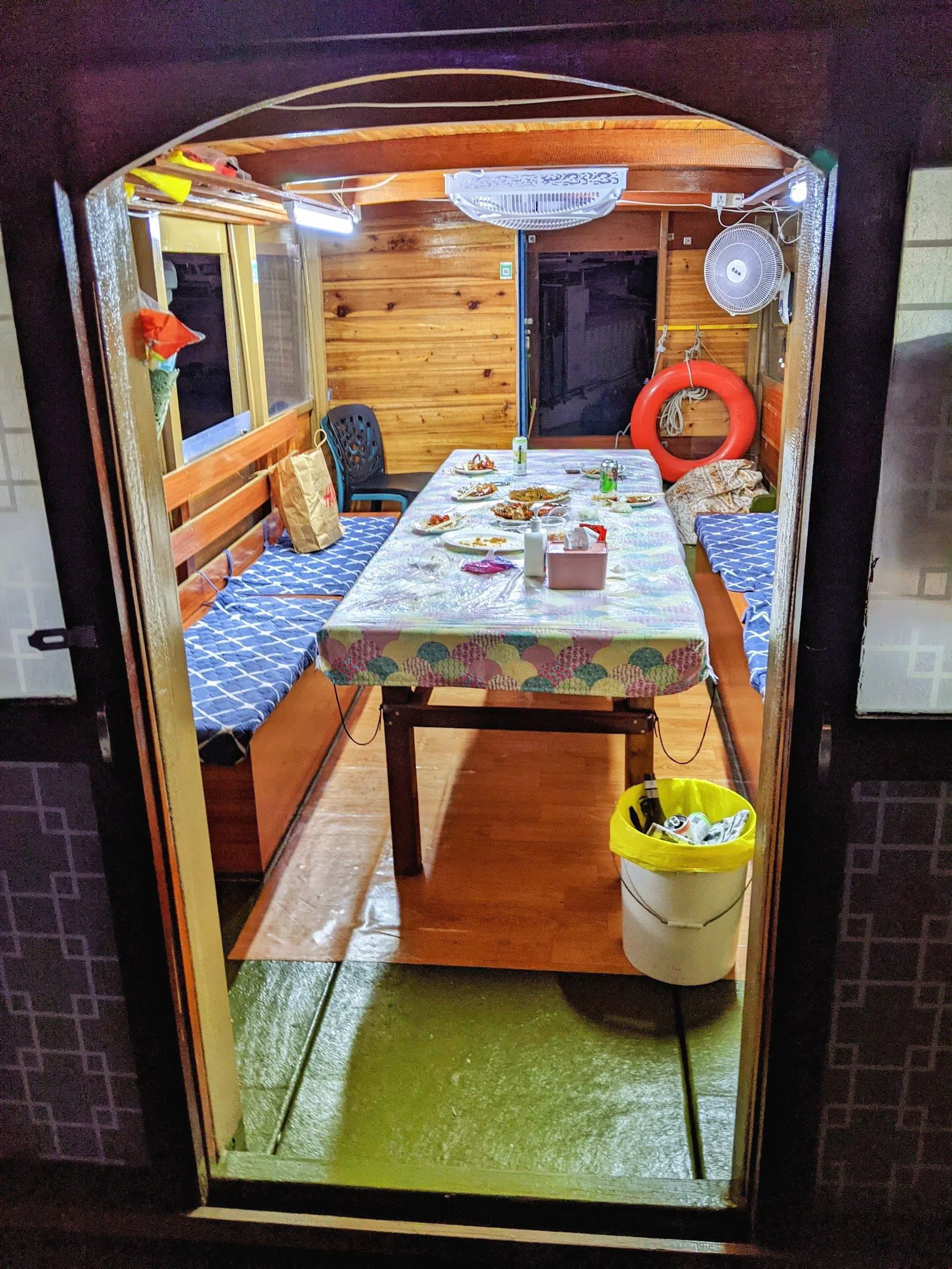
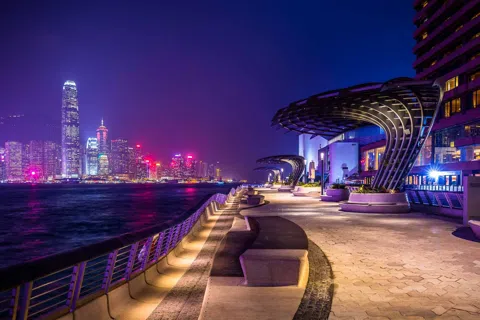
Hong Kong's skyline was built on land reclaimed from water, but not all of the water gave way. In Causeway Bay, Aberdeen and a scatter of outlying islands, boats still cluster hull to hull in the sheltered anchorages known as typhoon shelters, where families once rode out storms and raised children who never set foot on dry land between one monsoon season and the next. The restaurants and rituals born on those decks now feed the city that grew up around them, and in 2026 you can still eat where the crab dish that shares the shelters' name was invented.
The shelters themselves were a practical answer to a violent problem. Hong Kong sits directly in the path of the Pacific typhoon season, and for generations the fishing families who lived aboard their boats had nowhere solid to run to when a storm signal went up. The colonial government dredged and walled off a handful of harbours — Causeway Bay, Aberdeen, Yau Ma Tei — specifically so that hundreds of vessels could cluster together and ride out a typhoon without being smashed against open coastline. Between storms, those same crowded anchorages became small floating villages: hawkers rowing between boats selling cooked food, temples built on pontoons, entire childhoods spent without ever needing a bus. Most of that world is gone now, priced out by land reclamation and pushed aside by container terminals, but its food culture didn't go down with it — it moved ashore, onto dai pai dong stools and into restaurant kitchens, and it's still the most direct way to taste what these harbours used to be.
Causeway Bay: Where Typhoon Shelter Crab Was Born
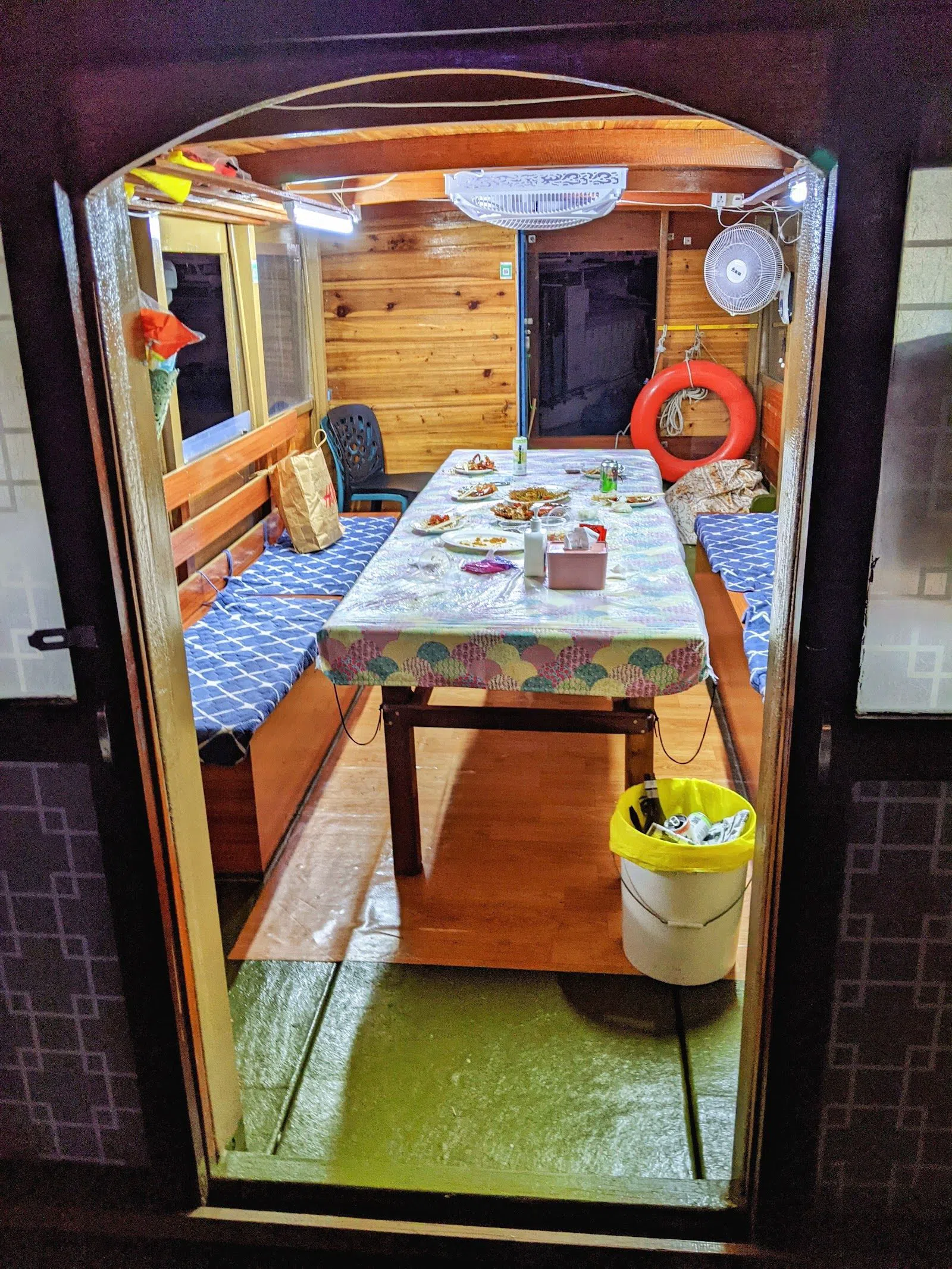
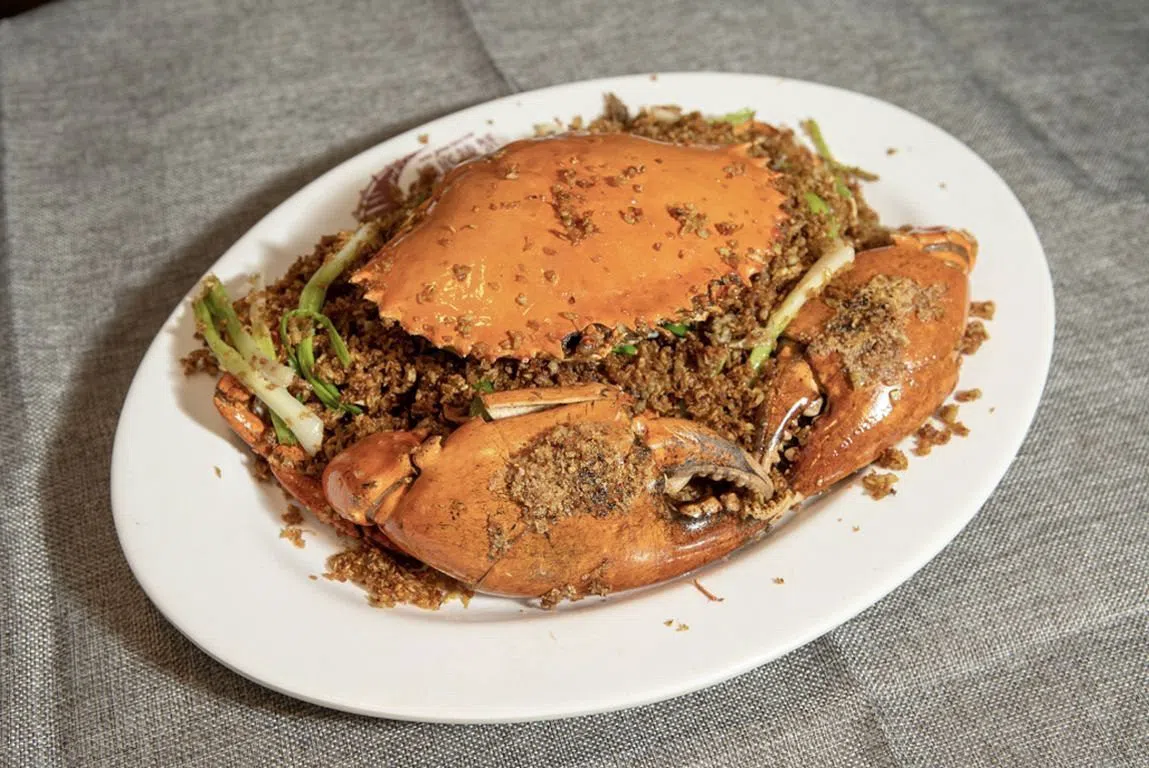
Causeway Bay's typhoon shelter is the reason this dish has a name at all. Long before land reclamation squeezed the anchorage down to its current pocket, sampan families cooked crab on charcoal stoves lashed to their decks and rowed bowls of it out to moored junks — garlic, dried shrimp, black beans and enough dried chilli to cut through the salt air. That's typhoon shelter crab, and Shun Kee Typhoon Shelter (Causeway Bay) is where the story starts: it's run by a chef who grew up in this boat community, and the kitchen still cooks the dish the way it was done on deck rather than in a restaurant. Set menus run from HK$1,080 for two people up to HK$2,080 for a table of eight to twelve, working out to roughly HK$300-500 per person, and whole boats can be booked for bigger parties. Reserve by phone or WhatsApp ahead of time, especially for weekends — this isn't a walk-up operation, and turning up unannounced on a Saturday night is a good way to be turned away at the pier.
If Shun Kee is fully booked, or you're not chasing the sampan experience itself, Under Bridge Spicy Crab (Causeway Bay) is the land-based fallback that's kept the same fire going for more than twenty years. It's built around long communal tables and doesn't take reservations for small groups — you queue, you sit, you eat — though it's worth calling ahead if there are six or more of you on a weekend night, since those tables fill fast. Budget HK$300-450 a head. It's louder and less ceremonial than Shun Kee, and that's rather the point of it.
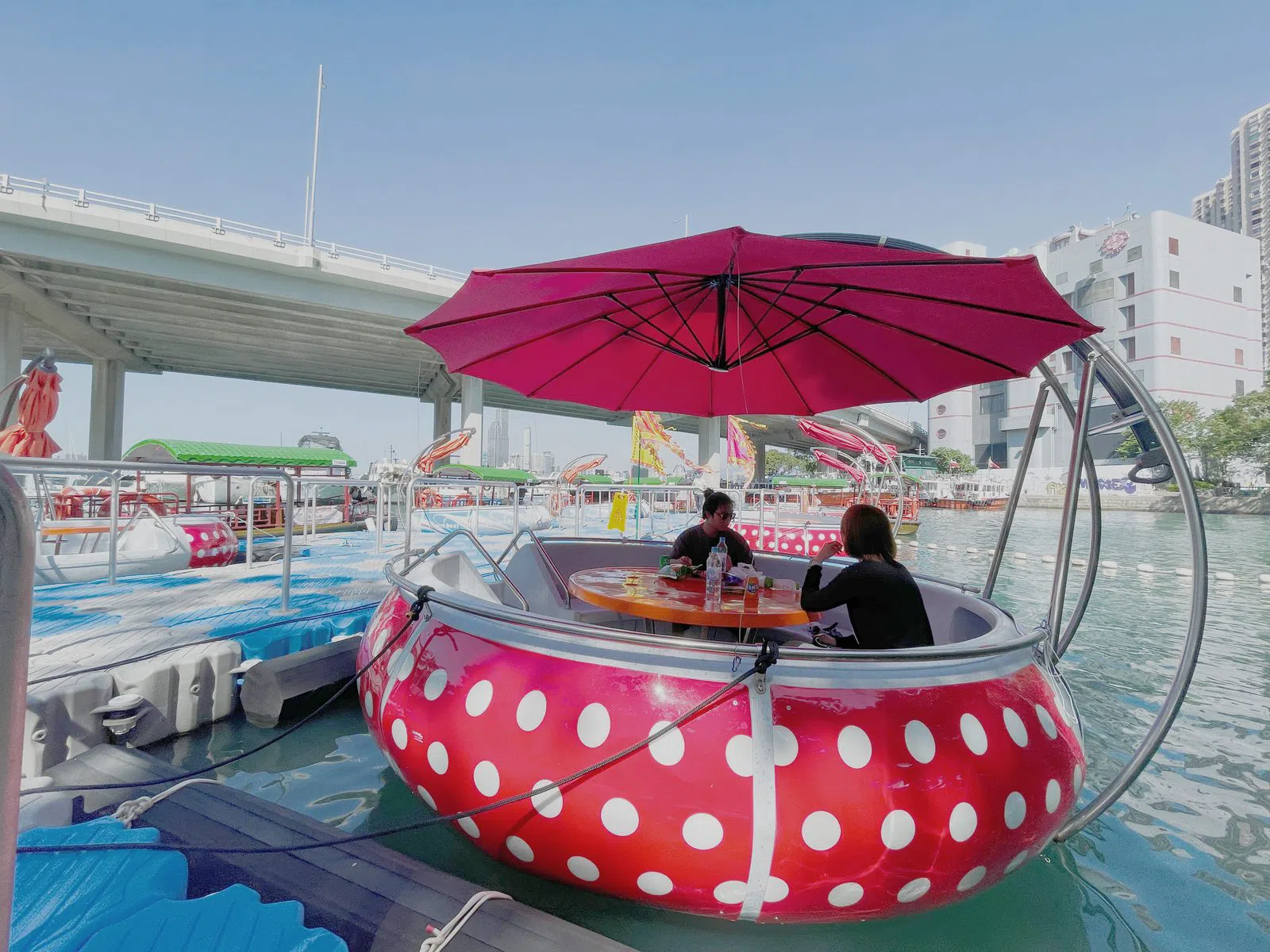
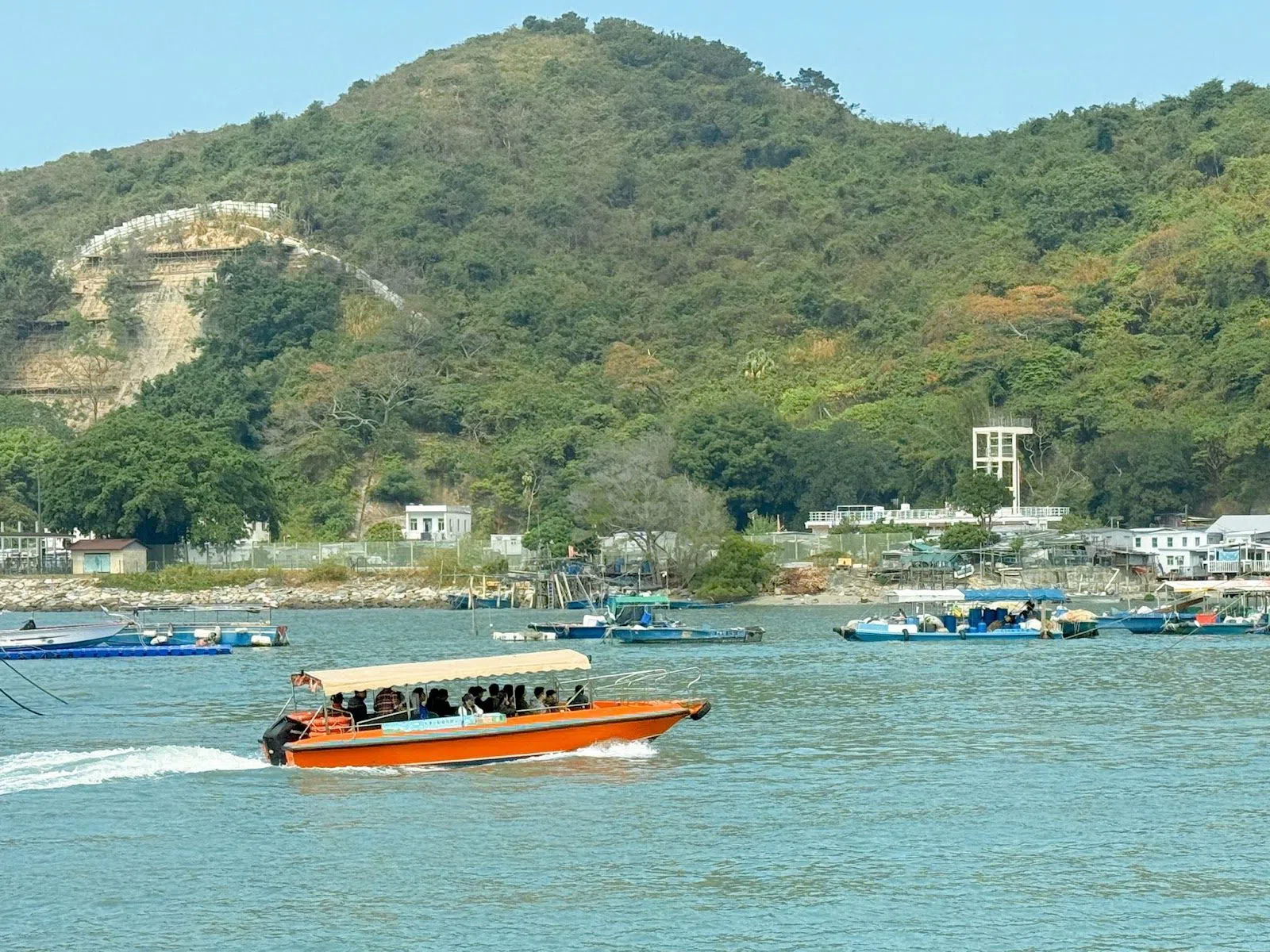
To actually see the shelter rather than just eat beside it, book the Causeway Bay Typhoon Shelter Walla-Walla Tour (Coral Sea Ferry Service). These low motorised sampans — walla-wallas — seat up to five people and run several departures a day for HK$100 on weekdays or HK$140 on weekends for a 45-minute loop. It's one of the last ways to get close to Hong Kong's only floating temple and to the shelter's dwindling fleet of licensed houseboats, most of which won't still be moored there in another decade. Larger groups need to book multiple boats, since no version of this tour seats more than five at once.
Plan your Hong Kong trip
Live prices from our booking partners.
Free cancellation on many rooms. We may earn a commission when you book.
Aberdeen: The Last Houseboats
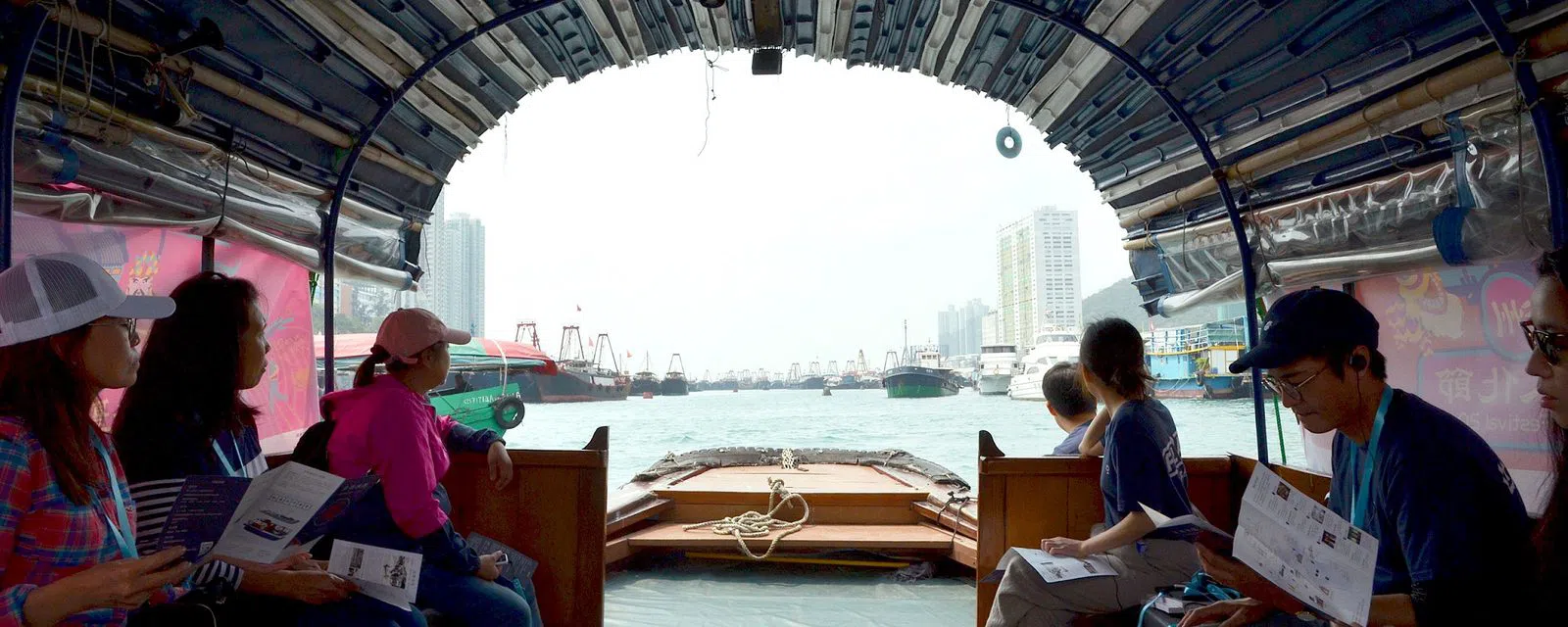
Aberdeen's shelter is the other half of this story — bigger, older in feel, and further along in its decline. The Aberdeen 1773 Fishing Heritage Sampan & Houseboat Tour (Aberdeen) is built for groups: school trips, study tours and corporate outings book custom itineraries through the operator's enquiry form, while individuals join scheduled audio-guided sampans that run through the harbour. What makes it worth the detour is that it puts you aboard a genuine lived-in houseboat rather than just motoring past one at a distance — a distinction that matters more each year, since only a handful of Aberdeen's roughly 2,000 houseboats from the 1960s are still afloat. Expect to pay roughly HK$150-250 per person depending on the package, with an optional boat-noodle lunch add-on. Go in the morning if you want the harbour at its most working: fewer tour boats, more actual fishing traffic moving between the junks.
North Point's Rowdy Heir
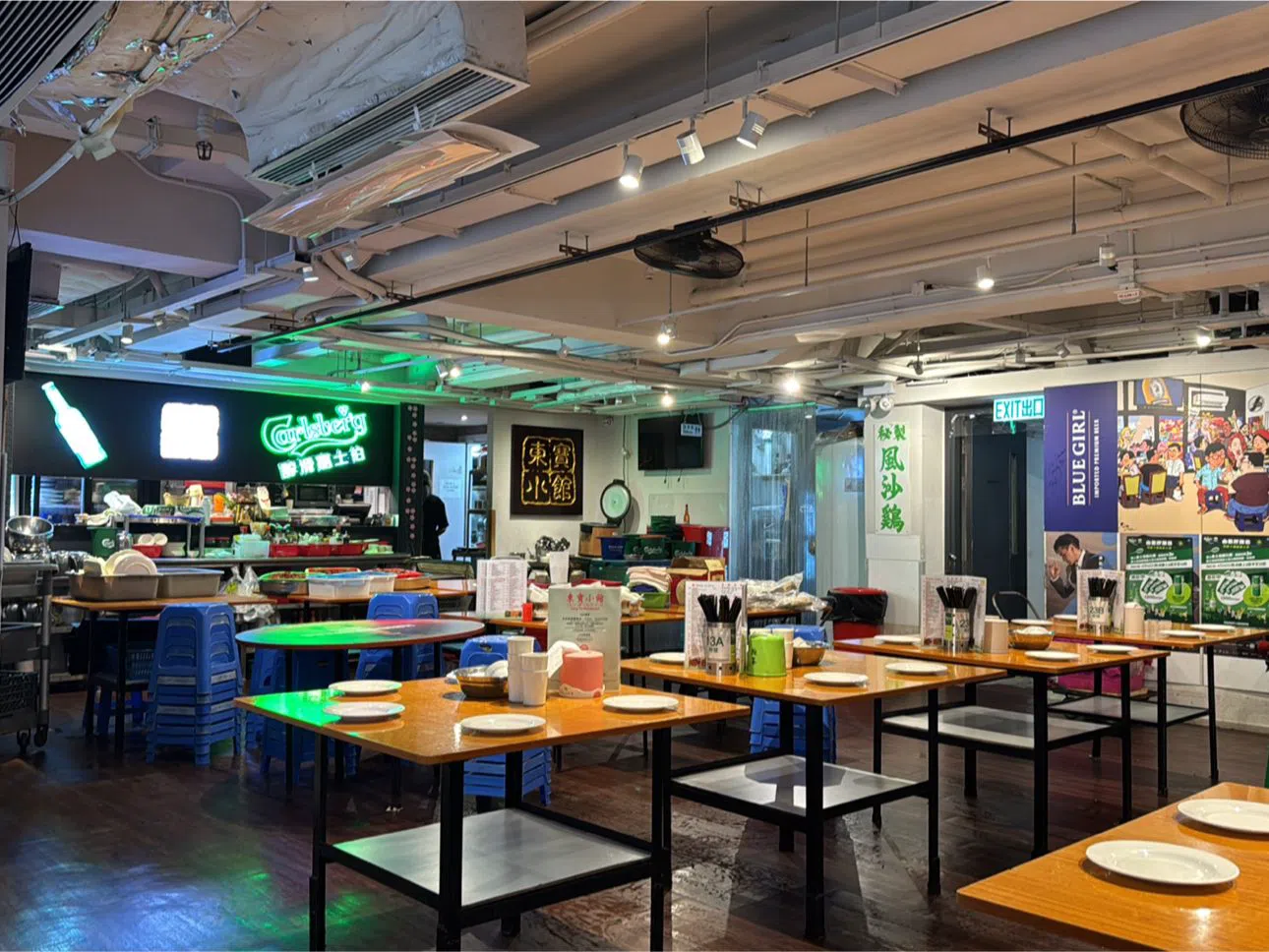
Tung Po (North Point) is what typhoon shelter cooking looks like once it's left the water entirely and gone fully dai pai dong — plastic stools, blue-and-white enamel bowls doing double duty as wine cups, a kitchen that never stops shouting orders across the room. It had to relocate from its thirty-year perch above the Java Road wet market, and it's fair to say some of that old rooftop-over-the-market atmosphere didn't survive the move — but the crab, the razor clams and the fried rice are still worth the trip, and it remains one of the loudest, most chaotic group dinners in the city. Book ahead, especially on weekends; this is not a restaurant built for two people trying to have a quiet conversation. Budget HK$350-450 a head.
Sai Kung and Lei Yue Mun: The Fishing-Fleet-to-Table Villages
Neither Sai Kung nor Lei Yue Mun is technically a typhoon shelter, but both run on the same supply chain the shelters were built to serve — boats come in, the catch goes straight into a tank, and a tank feeds a kitchen a few metres away.
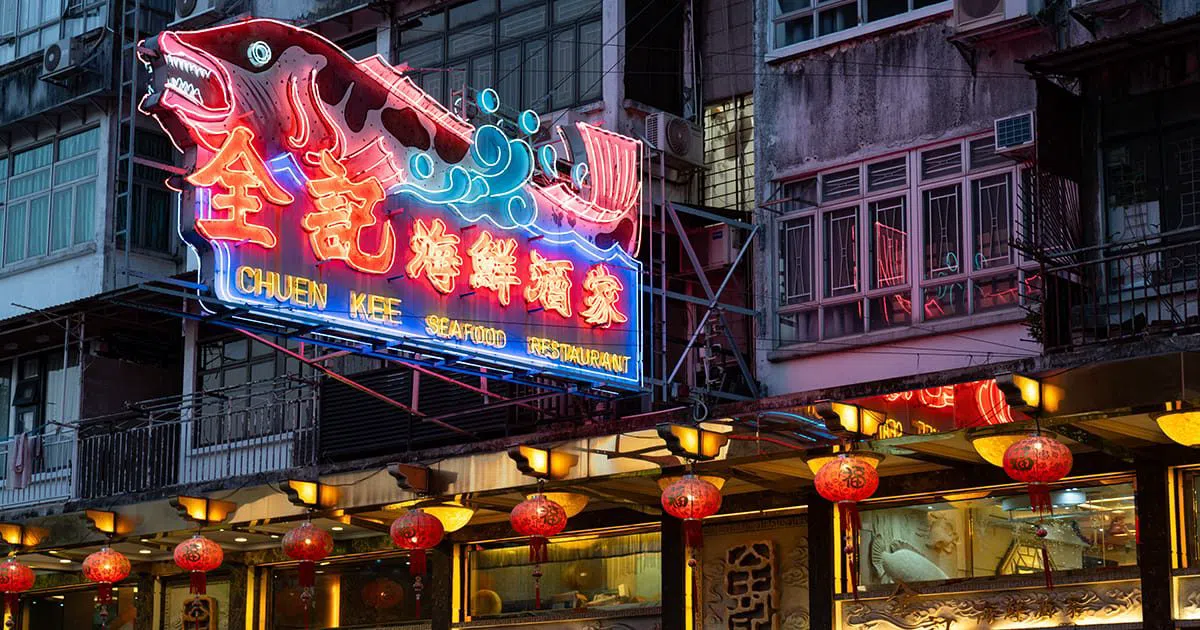
Chuen Kee Seafood Restaurant (Sai Kung) is the workhorse of Sai Kung's waterfront Seafood Street: 300 seats, tanks you pick your own fish and prawns from, and one of the few venues on that strip actually built to seat a full tour group at once. Call ahead for large parties. Prices run HK$300-500 per person depending on what comes out of the tank — garoupa and mantis shrimp push you toward the top of that range.
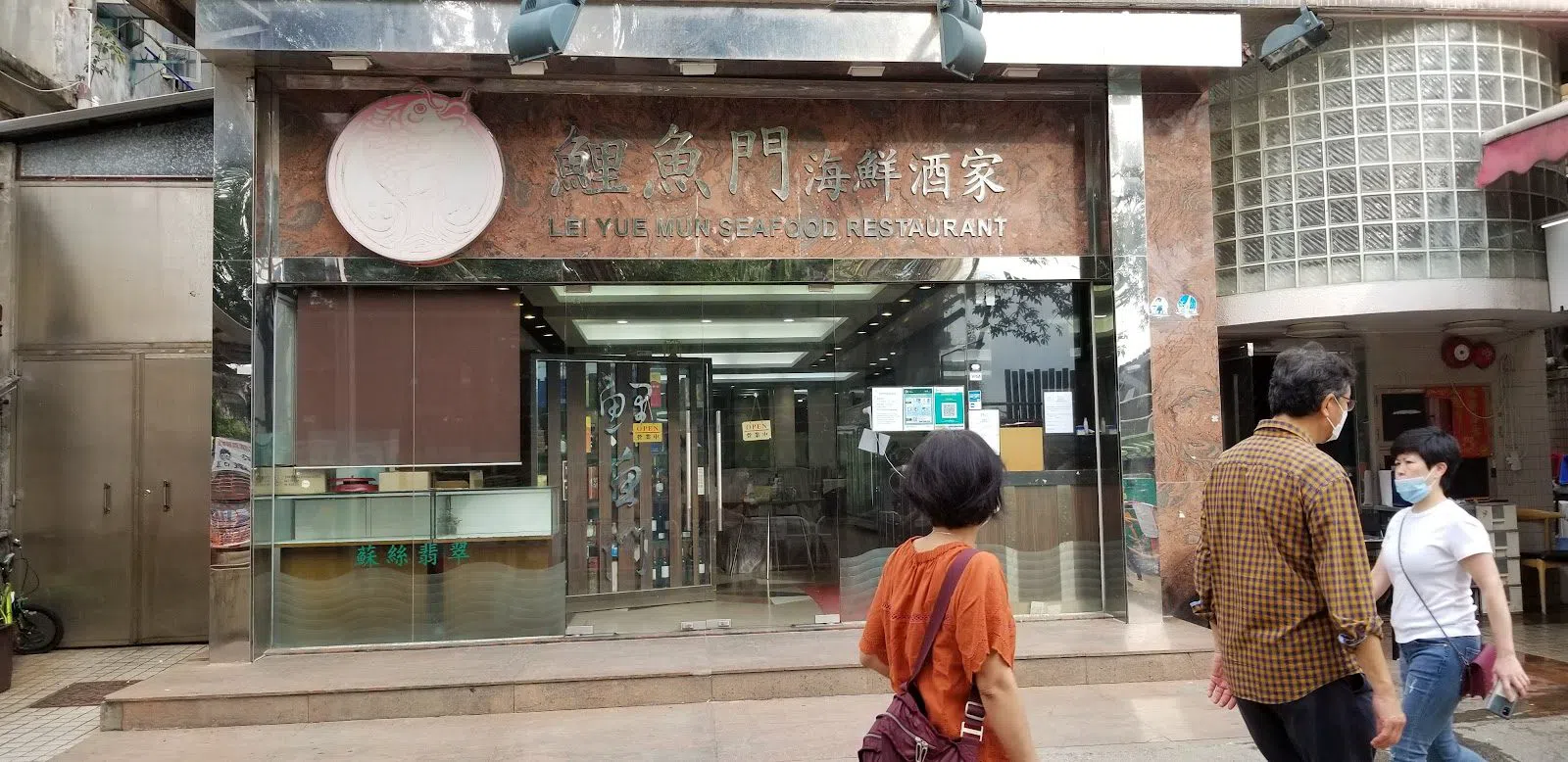
Lei Yue Mun Seafood Bazaar (Lei Yue Mun) is the clearest surviving version of the buy-fresh-cook-fresh economy left in the city: more than twenty restaurants sitting behind a row of wet-market vendors, all running on the same fishing-boat supply. You buy your fish, crab or lobster from a stall, then carry it to whichever restaurant is cooking for you that night, and groups can easily split one large fish across several dishes. No single reservation covers the whole experience, but call ahead if you're bringing a big party on a Saturday night, when the walkway between stalls gets genuinely packed shoulder to shoulder. Expect HK$350 to HK$900-plus per person, since price here tracks the catch, not a fixed menu.
The Outlying Islands: Lamma, Cheung Chau and Tai O
Three very different versions of the same idea, all a ferry ride from Central.
Lamma Rainbow Seafood Restaurant (Sok Kwu Wan, Lamma Island) isn't a typhoon shelter itself, but it runs on the same over-the-water dining logic, and it makes the whole idea tangible for visitors in the most literal way possible: book a table for a group a day ahead and the restaurant sends a free shuttle boat to collect you from Central, Tsim Sha Tsui or Aberdeen. It's one of the easiest big-group seafood nights to pull off from town without needing to think about ferry timetables yourself. Budget HK$350-600 per person.
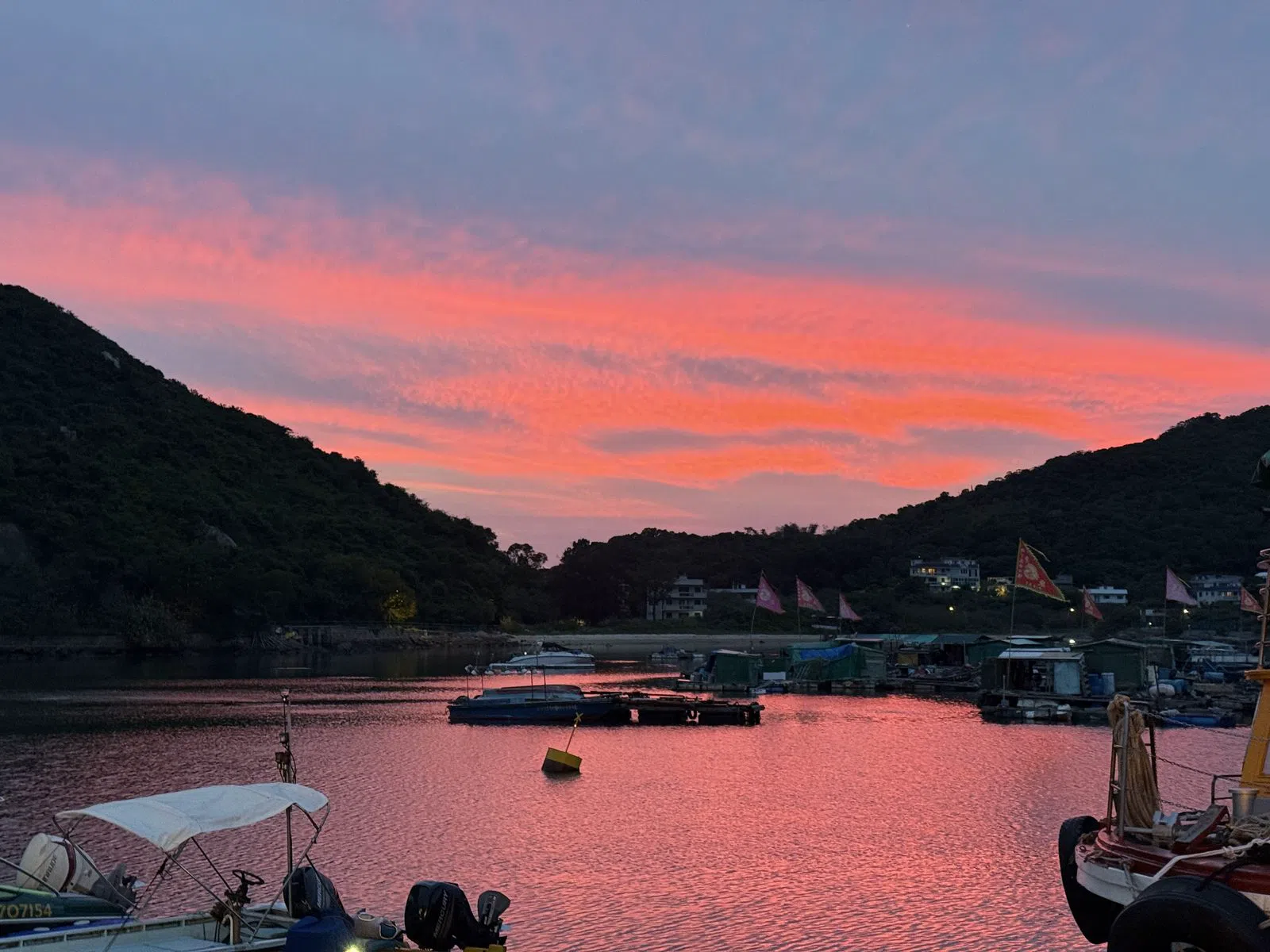
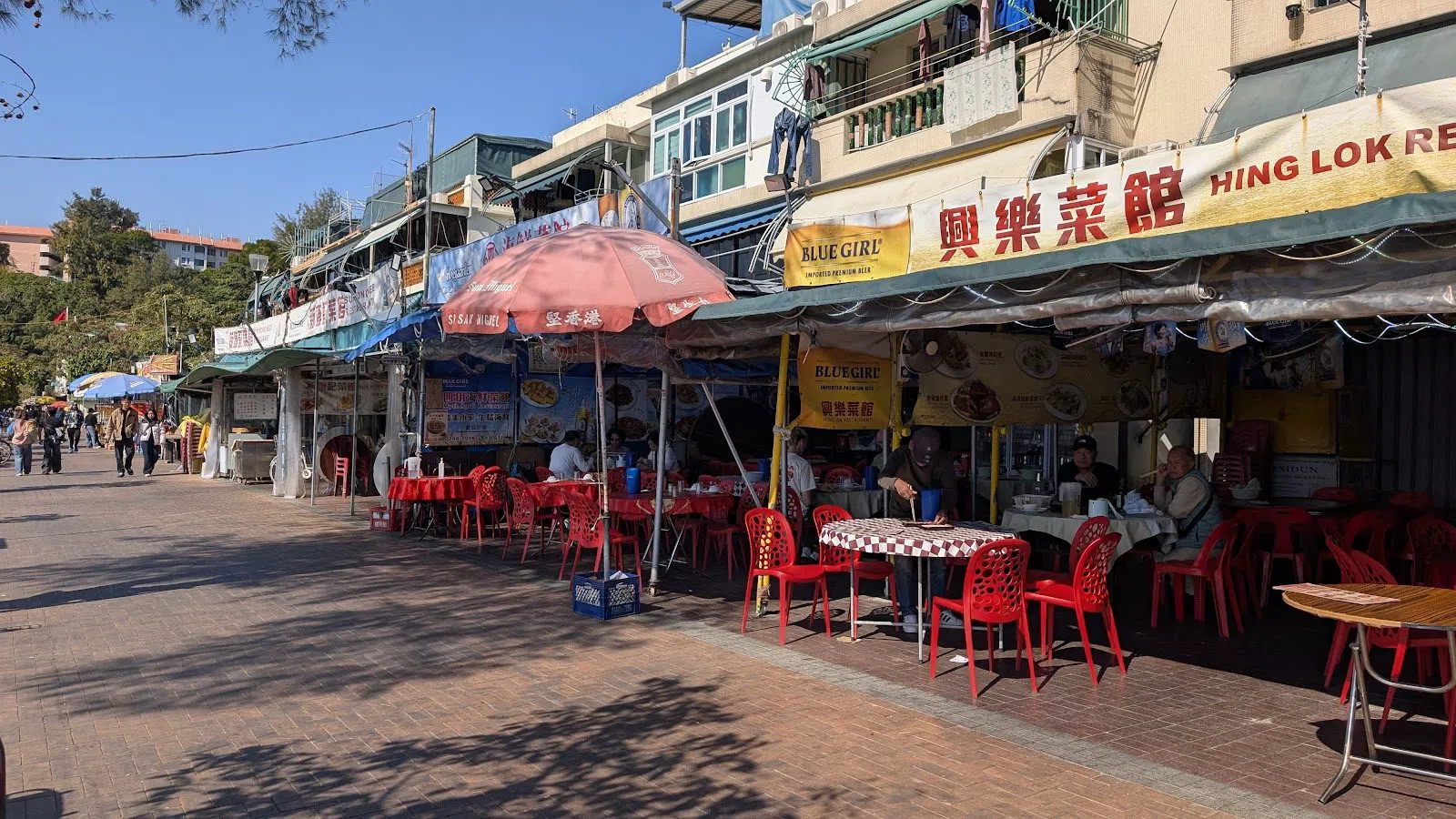
New Baccarat Seafood Restaurant (Cheung Chau) sits right on one of the outlying islands' working typhoon shelters and has been a fixture of the island for twenty years. It's casual and walk-in friendly for smaller groups — no need to plan ahead — but call for a table if you're arriving with a larger party on a weekend. HK$250-450 a head.
Tai O Stilt Village & Boat Tour (Tai O, Lantau Island) isn't a typhoon shelter either, but it's the essential comparison piece: the Tanka fishing community's stilt houses, built directly over the water, are the closest living relative of the boat-dwelling culture the shelters are named for. Boat operators at the jetty take walk-up groups of varying sizes out for twenty-minute rounds through the stilt houses and mangrove channels — no booking needed, just turn up — for around HK$25-30 per person. The food stalls along the main street handle groups easily and don't need reservations, but book ahead for a sit-down seafood meal, which runs HK$150-350 per person. Go in the late morning before the day-trip crowds from the ferry pier build up, and while some stalls take cards now, the smaller boat operators still mostly want small cash notes.
Getting There, Cash, Timing and Budget
Transport. Causeway Bay and North Point sit on the MTR Island Line, so Shun Kee, Under Bridge and Tung Po need no more planning than a train ride. Aberdeen is a short taxi ride from Central or reachable on several bus routes over the hill from Wan Chai. Sai Kung and Lei Yue Mun both need a taxi, minibus or MTR-plus-walk combination — Lei Yue Mun in particular is a walk from Yau Tong station through a wet market rather than a direct exit onto a seafood strip. Lamma, Cheung Chau and Tai O are all ferry trips: Lamma and Cheung Chau leave from the Central piers, Tai O is a bus or taxi ride from Tung Chung MTR station on Lantau.
Cash. Card acceptance has improved across Hong Kong, but the smaller sampan kitchens, market stalls and boat operators covered here still lean on cash for speed, especially at Lei Yue Mun's stalls and the jetty boats at Tai O. Carry enough small notes to cover a meal and a boat trip without needing a stall owner to break a HK$500 bill.
Timing. Book Shun Kee, Chuen Kee, and any large-party table at Tung Po, Under Bridge or New Baccarat in advance, particularly for Friday and Saturday nights — these are dinner destinations for Hong Kong residents as much as for visitors, and the good tables go early. For the boat tours, mornings are quieter and give better light on the houseboats and stilt structures; the walla-walla tour and the Aberdeen sampans both run multiple departures a day, so a slow start rarely means missing out entirely.
Budget. A couple can eat well at Shun Kee or Under Bridge for around HK$600-1,000 total; a group of six splitting a table at Tung Po, Chuen Kee or Lei Yue Mun should budget HK$300-500 per person before drinks. The boat tours are the cheapest line in this whole itinerary, from HK$25 at Tai O to HK$250 for the fuller Aberdeen heritage package — worth doing before or after the meal, not instead of it, since the water is where this entire food culture actually started.
If you're building a trip around this itinerary, sort accommodation first via Hong Kong hotel search, and see the full Hong Kong guide for the rest of the city beyond its shelters.
Before you go
What is typhoon shelter crab and where did it originate?
Typhoon shelter crab (garlic, dried shrimp, black beans and dried chilli, fried hard and fast) was invented by boat-dwelling families cooking on charcoal stoves lashed to their decks in Causeway Bay's typhoon shelter. Shun Kee Typhoon Shelter, run by a chef who grew up in that boat community, is the closest thing left to the original version, though Under Bridge Spicy Crab has kept a land-based version of the dish going for more than twenty years.
Do I need to book ahead for typhoon shelter seafood restaurants?
For Shun Kee, Chuen Kee, and any group of six or more at Tung Po, Under Bridge or New Baccarat, yes, especially on Friday and Saturday nights. Smaller groups at Under Bridge, Tai O's food stalls and New Baccarat can usually walk in, and Lei Yue Mun Seafood Bazaar doesn't take a single reservation at all, though it's worth calling ahead for a big Saturday-night party.
Are Hong Kong's floating communities still inhabited in 2026?
In a much smaller way than a generation ago. Only a handful of Aberdeen's roughly 2,000 houseboats from the 1960s are still afloat, and Causeway Bay's shelter has been squeezed down by land reclamation, but both anchorages still hold a dwindling number of licensed houseboats and working sampans, and Tai O's stilt village over on Lantau remains a lived-in fishing community rather than a recreation.
Is cash needed at Hong Kong's typhoon shelter seafood restaurants and boat tours?
Card acceptance has improved generally, but the smaller sampan kitchens, the market stalls at Lei Yue Mun and the jetty boat operators at Tai O still mostly run on cash. Carry small notes so you're not asking a stall owner to break a large bill.
Which typhoon shelter experience suits couples versus large groups?
Shun Kee's smaller set menus, Under Bridge and the Causeway Bay walla-walla tour (which seats up to five) all work fine for a couple. Tung Po, Chuen Kee, Lei Yue Mun and Lamma Rainbow are built around big, loud group tables and are best booked with six or more people to make the most of them.