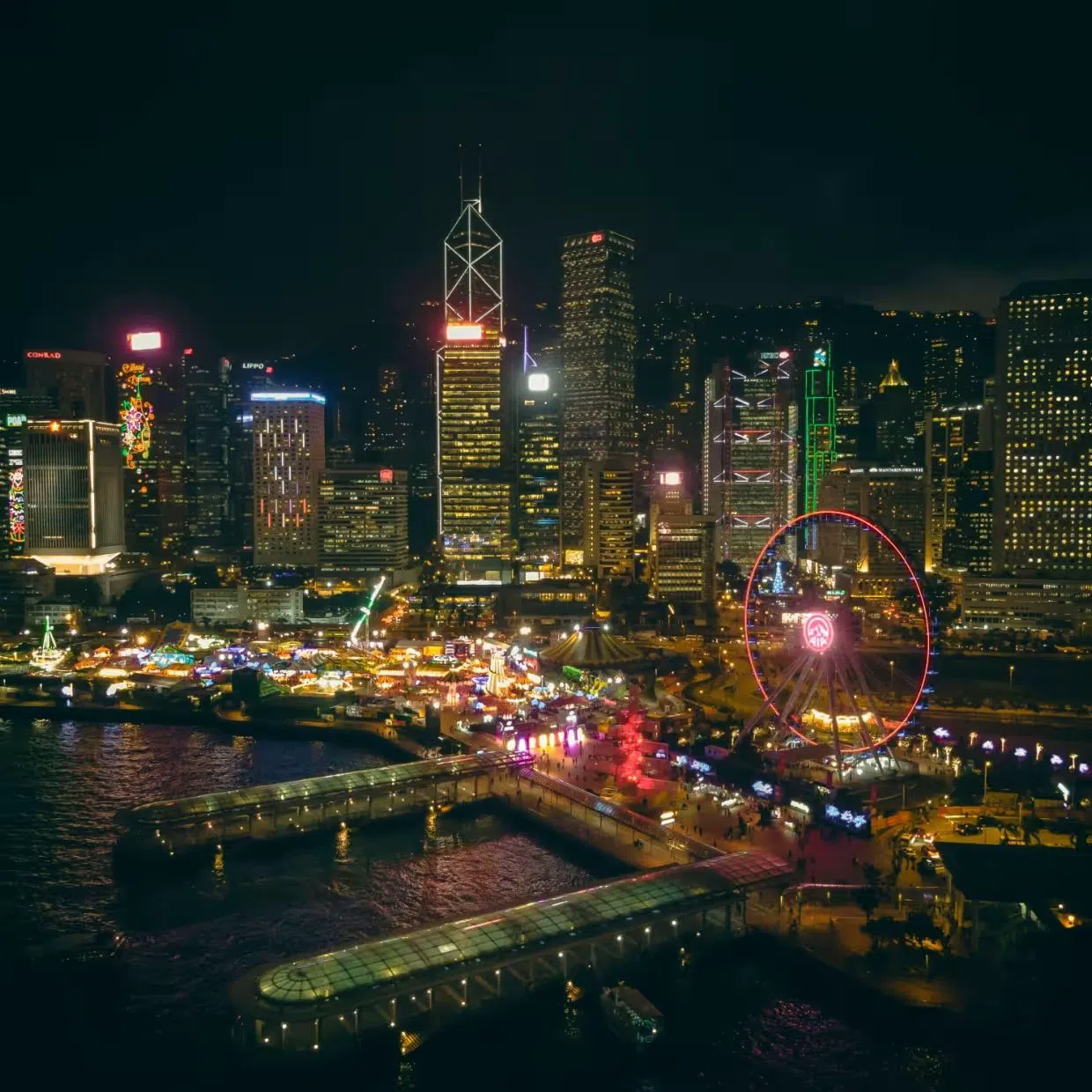

The 18:40 out of Tsim Sha Tsui costs about the same as a bottle of water and buys you eight minutes of the best skyline on earth, taken standing at a wooden rail beside three hundred people going home from work. That is the bargain Hong Kong makes with anyone willing to travel at boat speed: the sightseeing and the commute are the same vessel, the same deck, the same fare. Ride the piers instead of the tour desks for a week and you get a version of the city most visitors never reach, with a monastery landing that has no road to it, a Bronze Age rock carving on an island with no shops, and a stern deck at two in the morning with the harbour gone completely black.
Everything below I reached by ferry, on foot, or off the MTR. Nothing here needs a taxi, and the one headland I only saw through a car window isn't in the piece.
Start with the five-dollar crossing
Star Ferry (Tsim Sha Tsui to Central) is the spine of the whole idea and the cheapest harbour cruise in the world. From Tsim Sha Tsui station, Exit L6 puts you on the waterfront promenade; walk west for five minutes and the pier is the low green shed with the clock tower behind it. There is no booking, no door policy and no ticket queue worth the name. The turnstiles take Octopus or coins, HK$5.0 to HK$6.5 for the upper deck depending on the day. A party of twenty simply taps through together and spreads out along the rail. The four-day tourist pass at HK$50 pays for itself if you are crossing twice a day, which you will be.
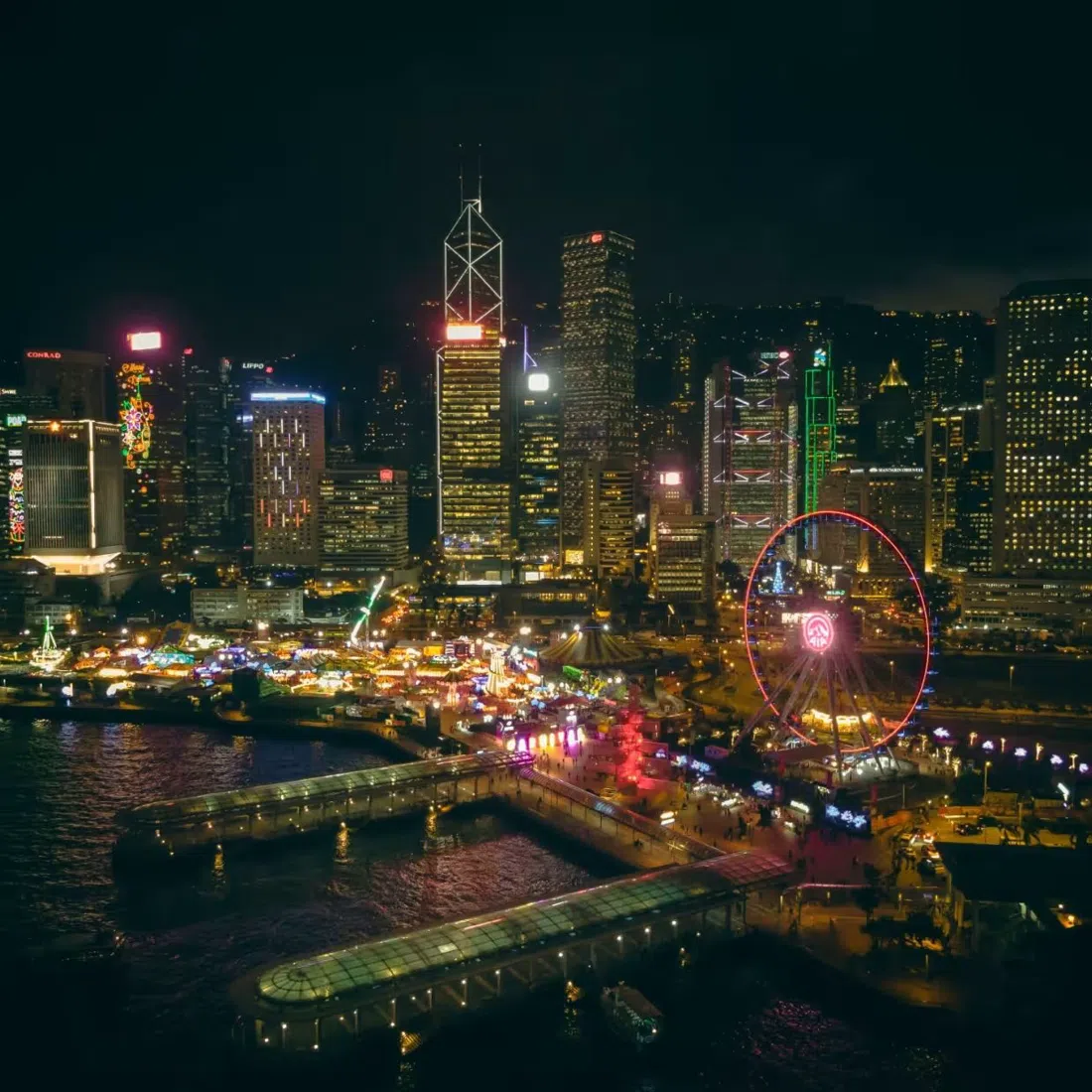
Ride it at dusk, Tsim Sha Tsui to Central, when the lights on the island side come up mid-crossing. Coming back, the Central pier is a five-minute walk from Hong Kong station, Exit A2, over the footbridge across Connaught Road.
One honest note for 2026: the operator filed in July for a fare rise of around 30%, and is separately proposing a pet-friendly Wan Chai crossing. Prices in this article may have moved by the time you tap in, though even a third more still makes this the cheapest thing you will do all week.
The big boats out to the islands
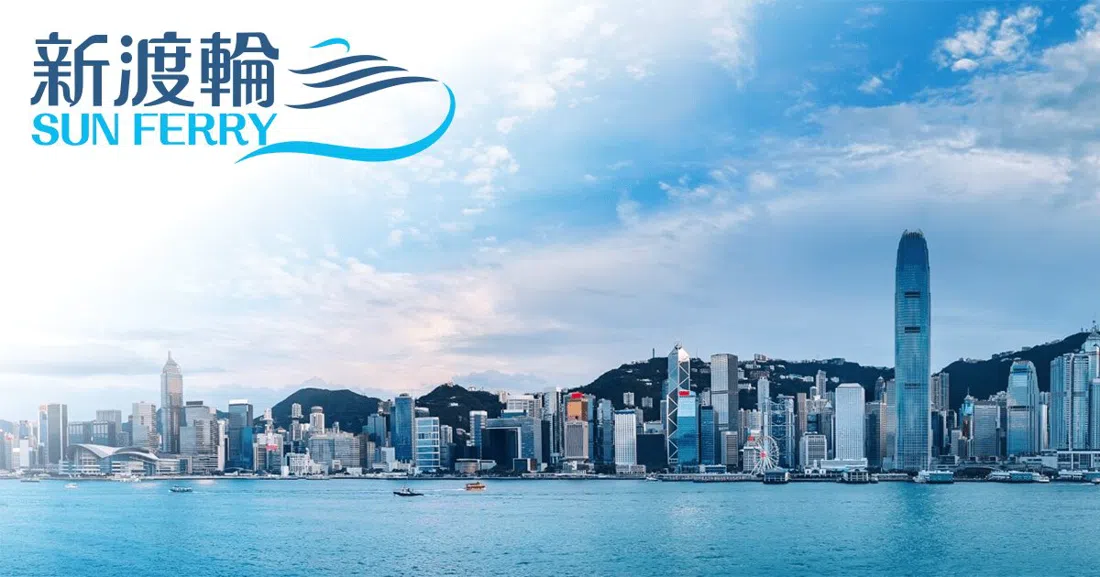
Sun Ferry (Central Piers 5 and 6) runs the vessels that make a proper island day possible: large, high-capacity boats where seating is first-come and nobody minds a group of fifteen taking over a row. Fares run HK$16.70 to HK$47.60 one way depending on whether you take the ordinary or deluxe cabin, the slow boat or the fast one, and whether it's a weekday or a weekend. Pay the few extra dollars for deluxe. The upper deck has an open-air stern, and standing there with the wake behind you is the actual experience you came for.
The headline routes are Central to Cheung Chau and Central to Mui Wo. But the one to build a day around is the inter-island loop: Peng Chau, Mui Wo, Chi Ma Wan, Cheung Chau on a single ticket, with a revised timetable effective 17 August 2026. Four island stops, no guide, no commentary, and long enough between calls to eat something and watch the light change. It is the best slow-travel ride in Hong Kong and almost nobody on your boat will be a visitor.
Hong Kong & Kowloon Ferry (Central Pier 4) holds the Lamma and Peng Chau licences through the current five-year term, at HK$20 to HK$30 one way. Walk on; there is a live seat-availability board at the pier, which is genuinely useful if you are eight people and would rather not stand for half an hour. Do the classic properly: sail out to Yung Shue Wan, walk the Family Trail across the island to Sok Kwu Wan (an hour and a half at a gentle pace, hilly in two places, paved throughout), then sail home from the other pier so you never repeat a leg.
The back door to Lamma
Chuen Kee Ferry (Aberdeen Promenade) is the route almost no visitor uses, and the one I'd take for dinner. Small vessels leave Aberdeen for Sok Kwu Wan via Mo Tat from roughly 06:40 to 23:00 for around HK$25 to HK$30 one way. That last figure matters more than the fare: the late return is what makes a genuinely long seafood dinner on Lamma possible without watching the clock from the second course onward.
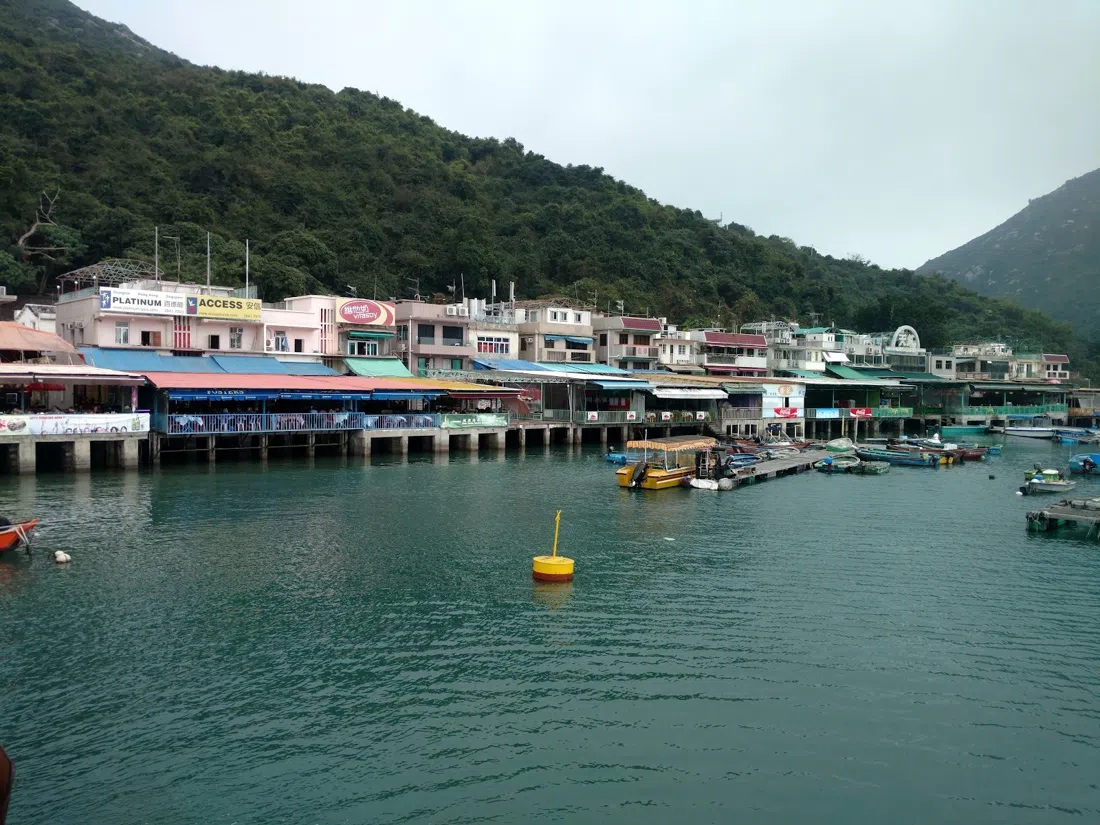
If you are booking a table for a group, tell the restaurant which sailing you are on. The Sok Kwu Wan kitchens work to ferry times and will pace the meal to it. The boats are small, so a party of more than a dozen should expect to split across two departures rather than squeeze onto one.
The longest ferry ride in Hong Kong
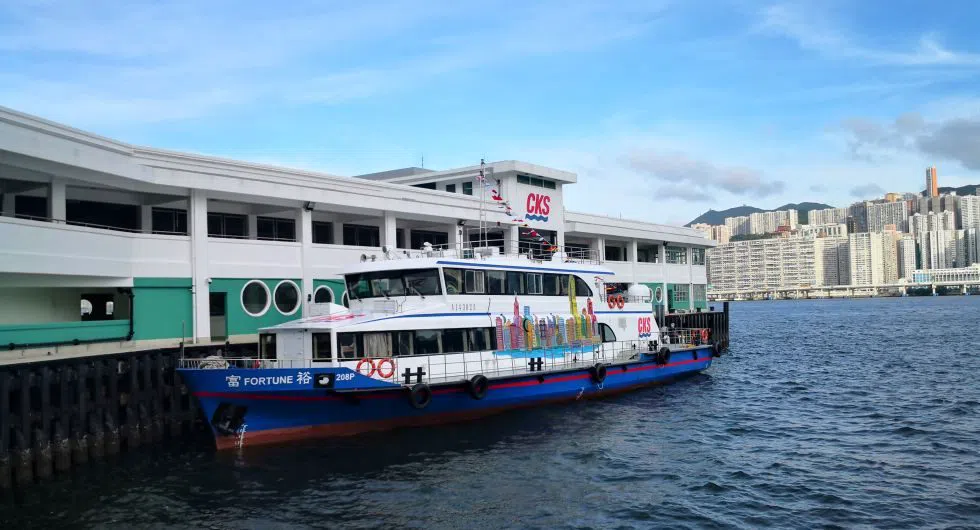
Fortune Ferry (Tuen Mun to Tai O, via Tung Chung and Sha Lo Wan) runs the longest and least-touristed public boat in the territory, at HK$20 to HK$40 one way with fares revised on 17 August 2026. Midweek it is lightly used enough that a group can have the deck more or less to itself, watching the north Lantau coast go by at a speed that makes the airport, the bridges and the fishing villages all look like parts of the same place. The same company operates the Hong Kong Water Taxi and the Central to Hung Hom harbour route, so a day that starts on one of their boats can end on another.
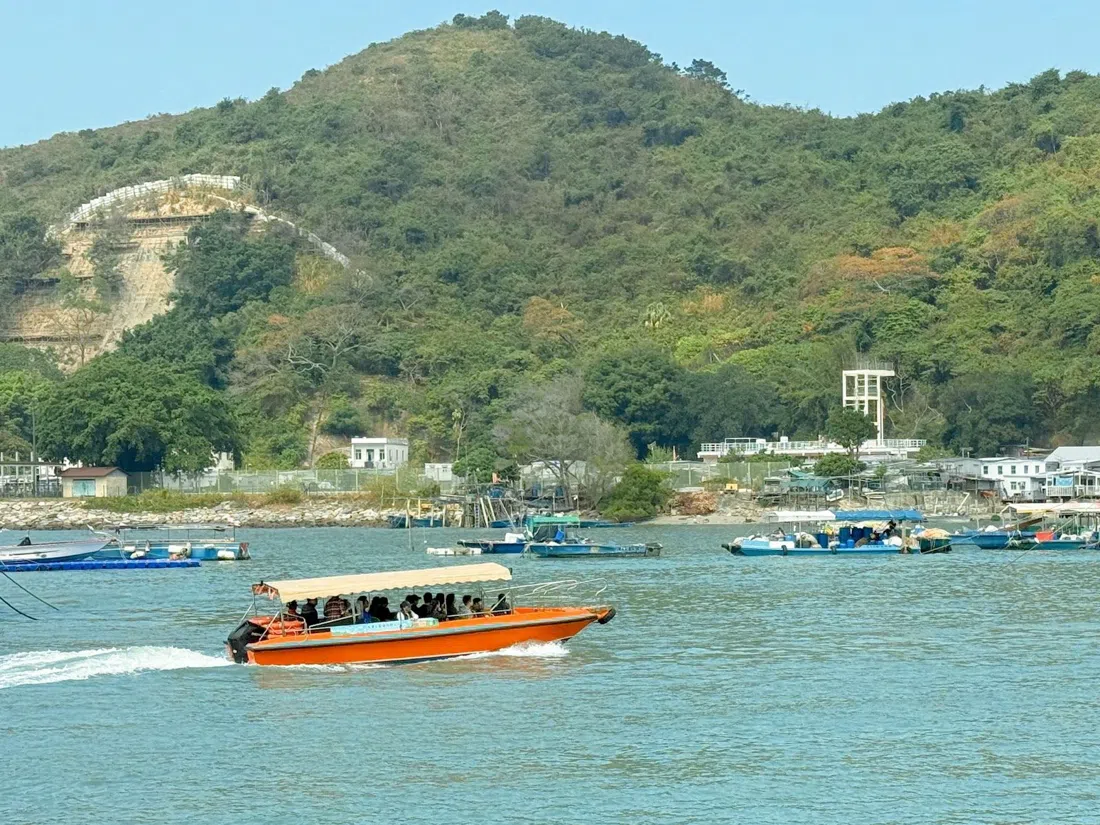
At the far end, Tai O Boat Excursion (Market Street, by the blue bridge in Tai O village) is the single paid boat ride I'd put beside the public ferries. Boats seat around twenty and leave continuously from the stand, so a group gets a whole vessel without waiting: HK$50 for twenty minutes, HK$80 for thirty. It reaches the stilt-house channels and the open water beyond them that the scheduled ferries can't. Be clear-eyed about the pink dolphins. They are wild animals in a busy estuary, sightings are not promised by anyone honest, and you should book the ride for the village and the water, not the mammals.
Small boats that stitch Lantau together
Peng Chau Kai To (Peng Chau, Discovery Bay and Mui Wo) is the village-ferry layer underneath the big timetables, and the cheapest way to move between the Lantau islands at HK$7.50 an adult, HK$6 for bikes and pets. These are genuinely tiny boats, fine for six or eight and hopeless for a coach-sized group, so split across consecutive departures rather than trying to board as one.
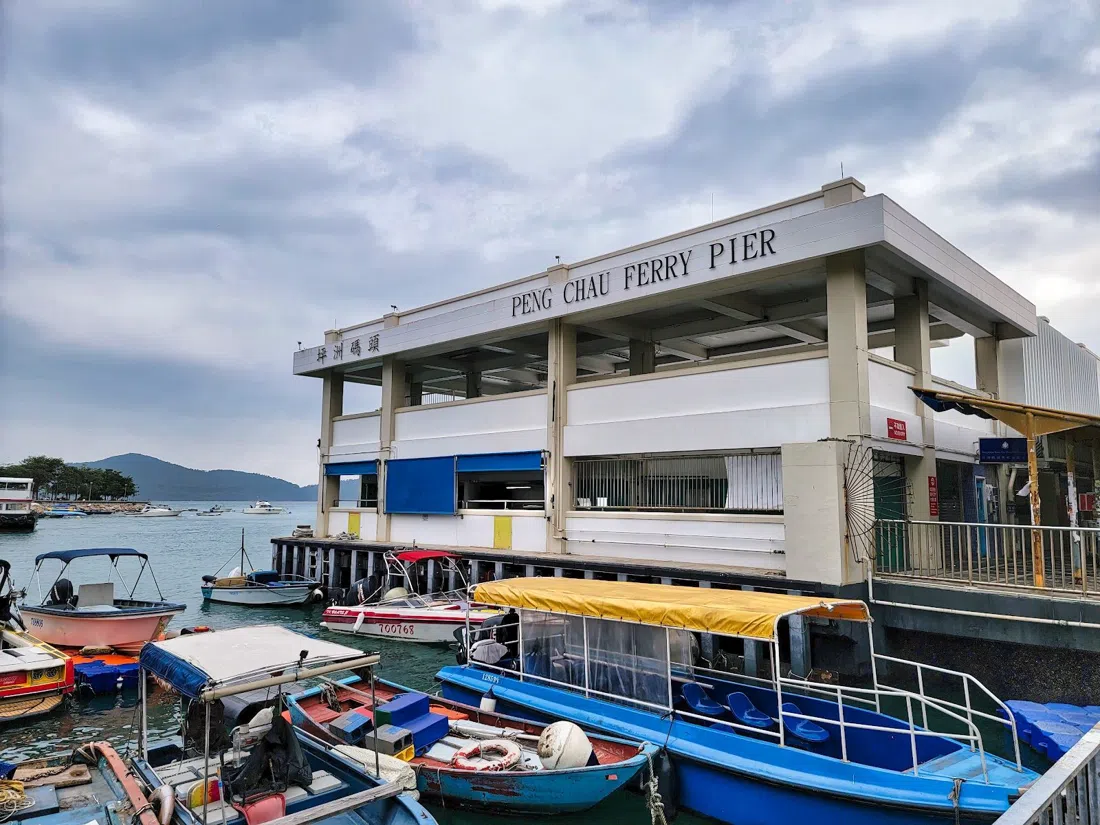
The stop worth planning for is the Trappist Monastery landing, which is the quietest place a scheduled boat will put you down anywhere in Hong Kong: a concrete pier, a path up through trees, and no road. Note that the Mui Wo sailings run at weekends only, so a midweek itinerary has to route through Discovery Bay instead.
Discovery Bay Transportation Services (Discovery Bay to Central Pier 3) is the only 24-hour public ferry in the city. It runs every 20 to 30 minutes, costs HK$46 for an adult non-resident with an overnight surcharge on sailings between 00:00 and 06:00, and has no restrictions on who rides it. Take it once at 2am. The cabin is half-empty, the harbour is black, the container terminals are the only lit thing on the water, and the crossing stops being transport and becomes the reason you're awake.
Boats to the far edges of the territory
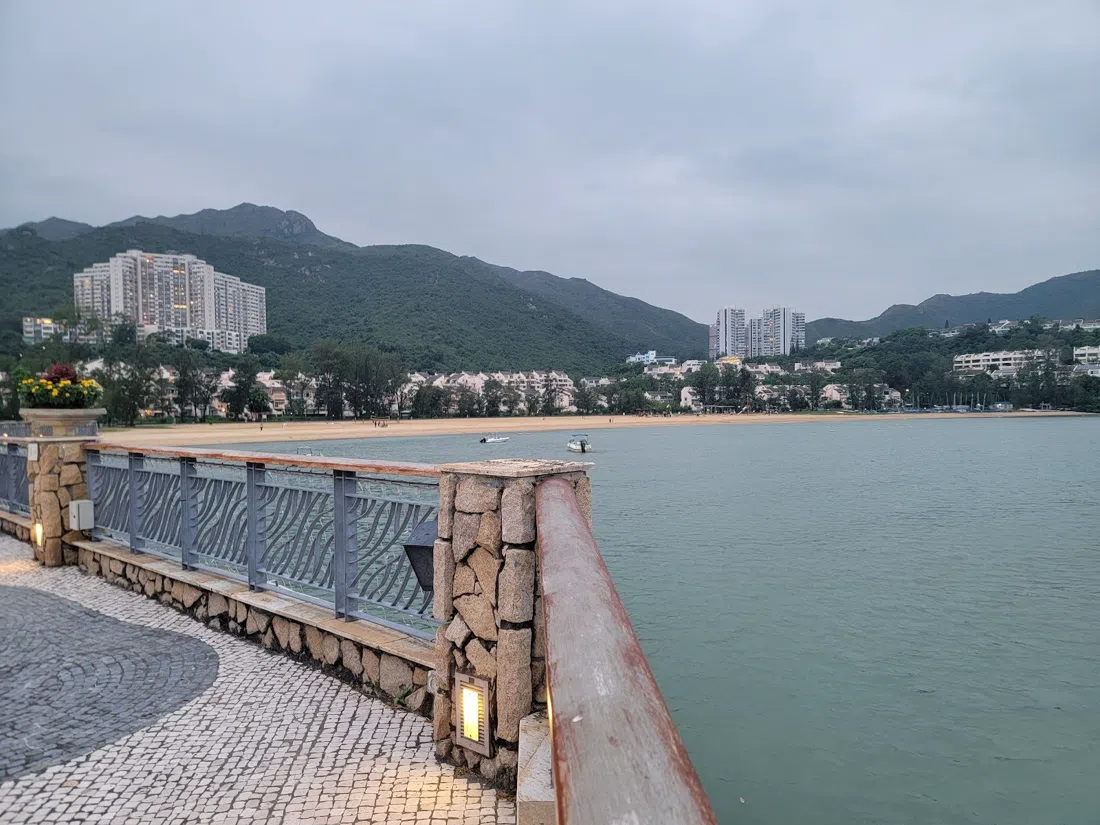
Tsui Wah Ferry Service (Ma Liu Shui pier, beside University station) is the specialist in Hong Kong's outer rim. The flagship run is Ma Liu Shui to Tap Mun (Grass Island), calling at Sham Chung and Lai Chi Chong, at HK$20 to HK$50 depending on route and day. Tap Mun is grassland, cattle, a temple and a beach, and the boat is the only sensible way in. The same operator runs the once-a-day Po Toi boat from Aberdeen and Stanley, and the weekend-only Tung Ping Chau service to the far northeast. Holiday sailings fill fast; with a group, be at the pier thirty minutes before departure or expect to be left behind.
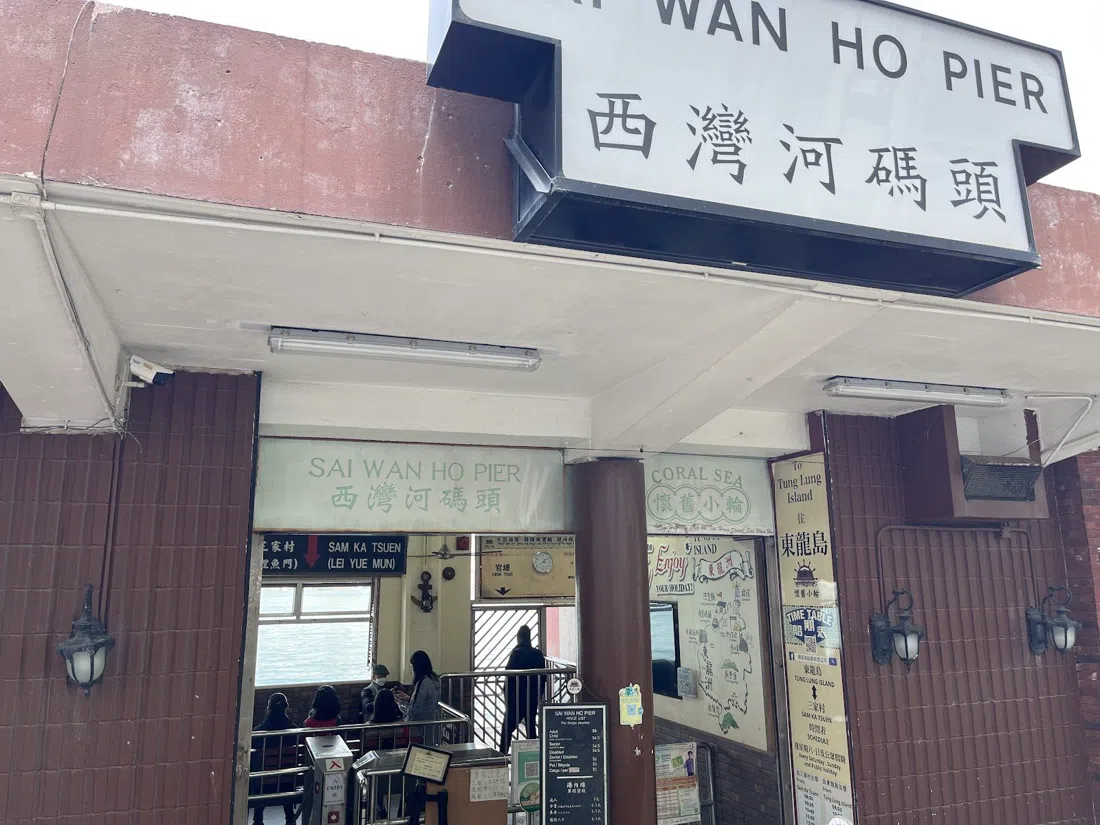
Blue Sea Ferry (Sai Wan Ho) crosses to Tung Lung Chau in about forty minutes each way, weekends and public holidays only, roughly every 45 minutes, HK$60 return for an adult, HK$40 for a child, HK$10 for a pet in cash. From Sai Wan Ho station, Exit A, the pier is a five-minute walk through the ferry building. The island holds a Bronze Age rock carving, a ruined Qing fort and the best sea-cliff climbing in Hong Kong. The constraint here is capacity rather than demand, so a group of more than a dozen should take the first 09:00 sailing and not gamble on the later ones. There is no midweek service at all, so this one cannot be improvised on the morning.
The crossings residents take without thinking
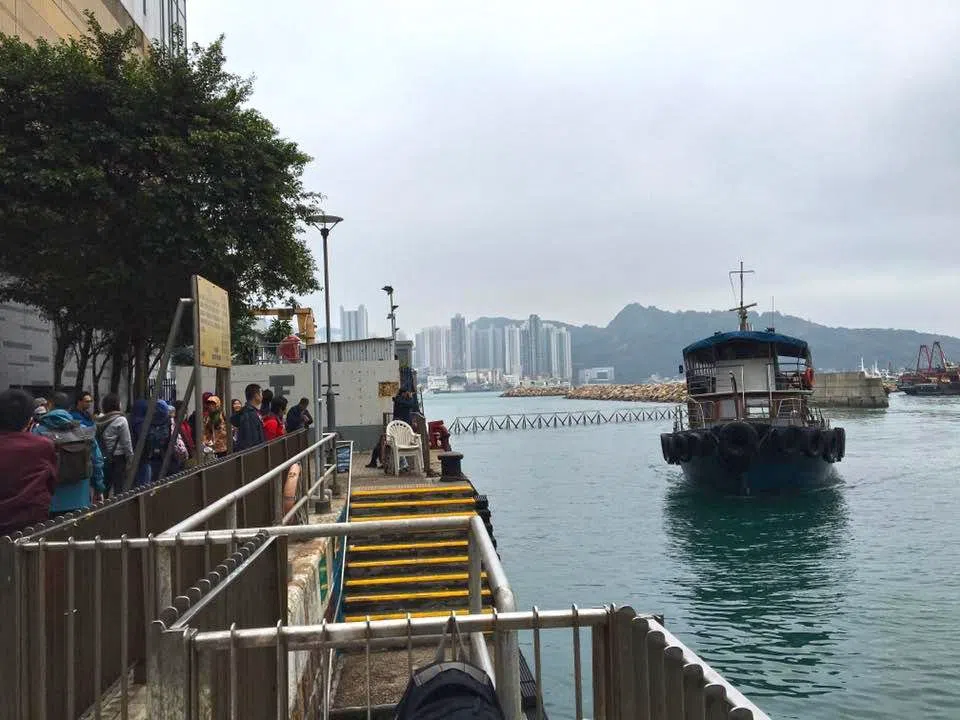
Eastern Ferry Company (Aberdeen Promenade to Ap Lei Chau) is a four-minute crossing for roughly HK$3, the cheapest scheduled boat ride in Hong Kong, running every five to eight minutes with no booking and no ceremony. A group just queues on the promenade steps and fills two consecutive boats. Include it as the deliberate counterweight to every junk cruise in the harbour: sampans, fuel barges, working hulls, someone's shopping. This is what the ferry network is for most of the people using it.
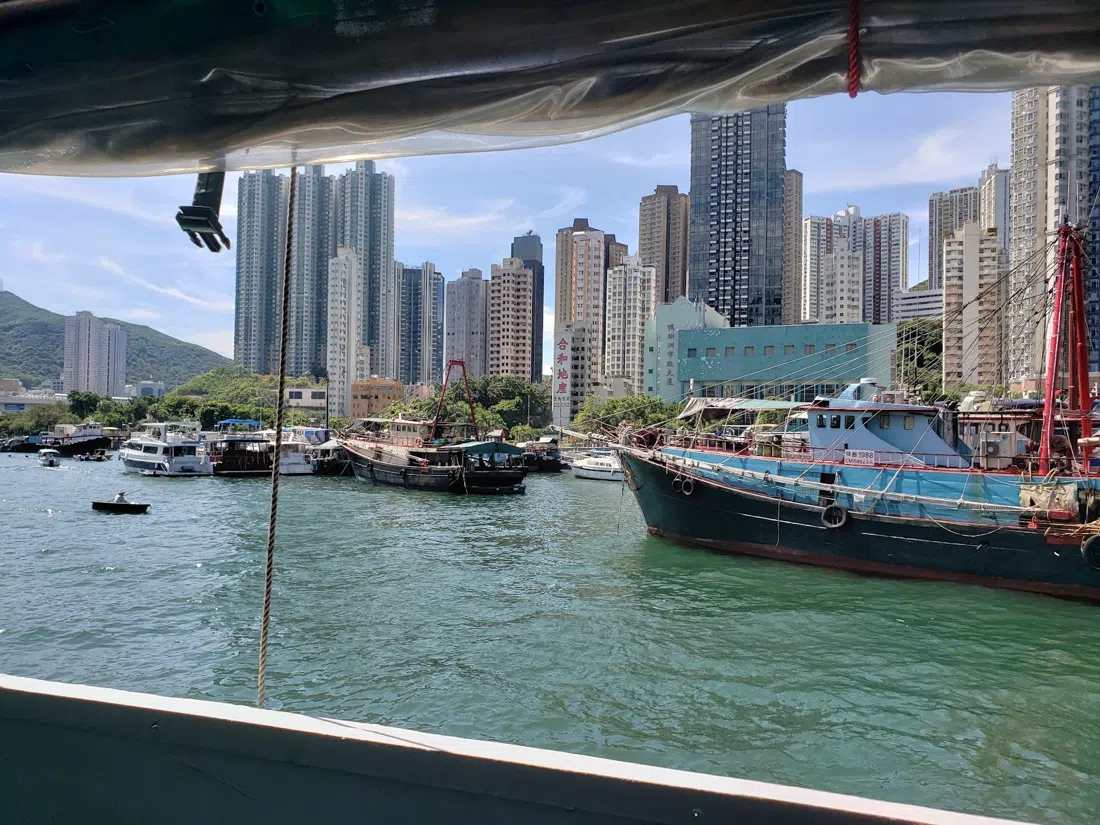
Coral Sea Ferry (Sai Wan Ho to Sam Ka Tsuen) is five minutes across the eastern harbour and the obvious way to move a group to a Lei Yue Mun seafood dinner without hiring a coach, at HK$10 to HK$12 one way. Frequent, walk-on, and almost entirely unknown to visitors. The same operator runs a Sam Ka Tsuen to Tung Lung Chau leg at weekends and on holidays, which pairs neatly with the Sai Wan Ho crossing if you want the island without the early start.
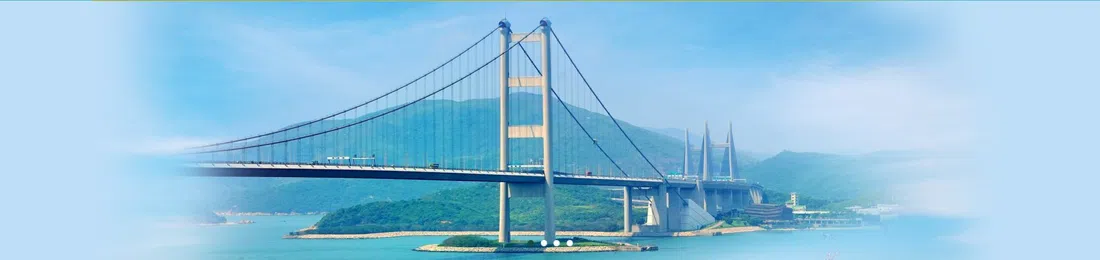
Park Island Transport (Ma Wan) feels like a residents' service and is open to anyone: HK$36 for an adult non-resident to Central, HK$12 on the Tsuen Wan route. It is a genuine commute that happens to sail directly beneath one of the world's great suspension bridges. The vessels are small, so groups should take the half-hourly Central sailings rather than the three-a-day Tsuen Wan one. The weekday timetable was temporarily adjusted from 8 April 2026, so check the current board before you build a day around it.
Sampans out of Sai Kung
Kitty's Boat (Sai Kung town waterfront) is the longest-established of the informal sampan operators working the Sai Kung front and the most reliable one for visitors who don't speak Cantonese. Cash on the spot, no booking: HK$30 return to Kiu Tsui, HK$40 return to Hap Mun Bay on Sharp Island. At weekends boats go every 15 to 30 minutes so even a large group moves easily; midweek it thins to roughly hourly afternoon departures, which is a real planning constraint rather than a footnote.
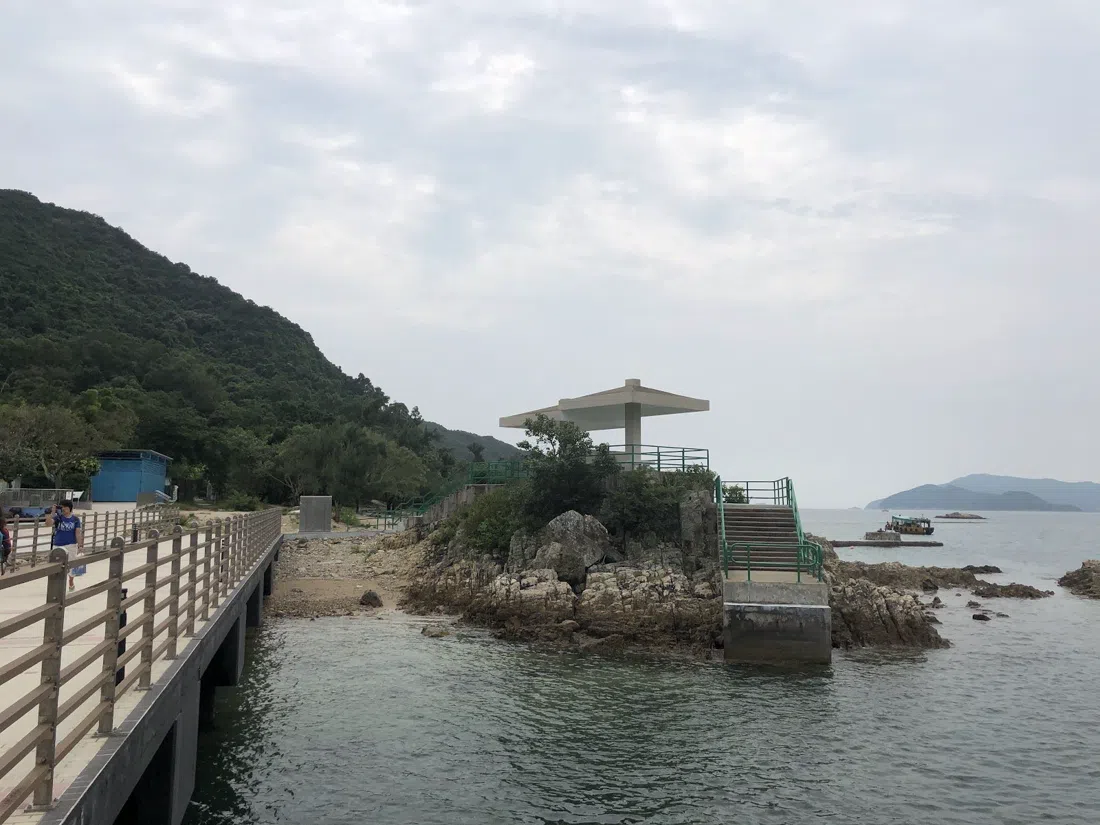
Time the crossing to low tide. The sand tombolo between Kiu Tsui and Kiu Tau island emerges for a few hours either side of it, and walking out along a bar of sand that will be underwater by evening is worth more than any beach.
The one boat that will block-book for you
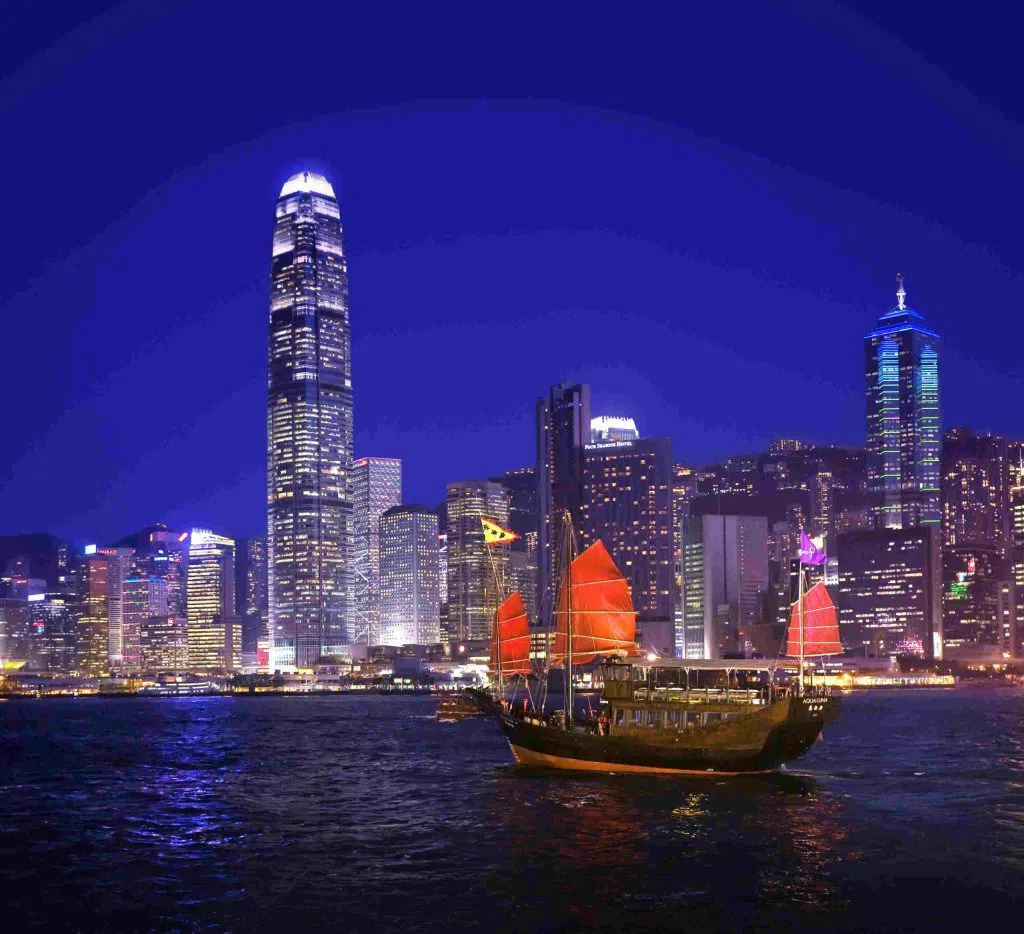
Aqua Luna (Tsim Sha Tsui and Central) carries up to eighty and does private charters, the only entry here that will formally hold a vessel for a group, at HK$250 to HK$450 a head depending on the sailing. A second boat joined the fleet and both are sailing in 2026. Take it if you need a private deck, a bar and a fixed departure for a celebration, and it will do that job well. But you should know that the red sails are decorative rather than working canvas, and that the Star Ferry gives you the same skyline, at the same hour, for roughly a fiftieth of the price.
How to plan the day
Get an Octopus card at the airport and load HK$300. It works on the Star Ferry turnstiles, the big outlying-island services, the MTR and the buses at the far end. The kaitos and sampans (Peng Chau Kai To, Blue Sea Ferry, Kitty's Boat, the Tai O sampans) take cash only, so carry HK$200 in small notes and coins. Almost every pier in this piece is walkable from an MTR station; Central Piers 3 to 6 sit in one row over the footbridge from Hong Kong station, Exit A2.
Outlying-island boats run to timetables that change seasonally and on public holidays, and two changes already landed this year, on 8 April and 17 August 2026. Check the operator's board the night before, not the morning of. The weekend-only services (Tung Lung Chau, Tung Ping Chau, the Mui Wo kaito) cannot be moved. When a typhoon signal 8 goes up, everything stops, so keep one island day flexible in a summer trip.
A full day of public ferries, including an island return and two harbour crossings, costs between HK$80 and HK$150 a person. Add HK$80 for a sampan and you have spent less on transport than on lunch.
Stay on the Kowloon side if you want the Star Ferry at dusk as a daily habit, or near Central if you're chasing the 06:40 boats. Compare rates across both in the Hong Kong hotel search, and for everything else in the city (food, walks, districts worth a day) start with the Hong Kong guide.