The Hong Kong issue
Wok Hei and Green Awnings: Eating at Hong Kong's Vanishing Dai Pai Dong
The open-air stalls that built Hong Kong's street-food reputation are disappearing one licence at a time — here's where to still eat the real thing in 2026, what to order, and how to get a stool.
By Marcus TsangCash-only, wok-fired and gone by noon
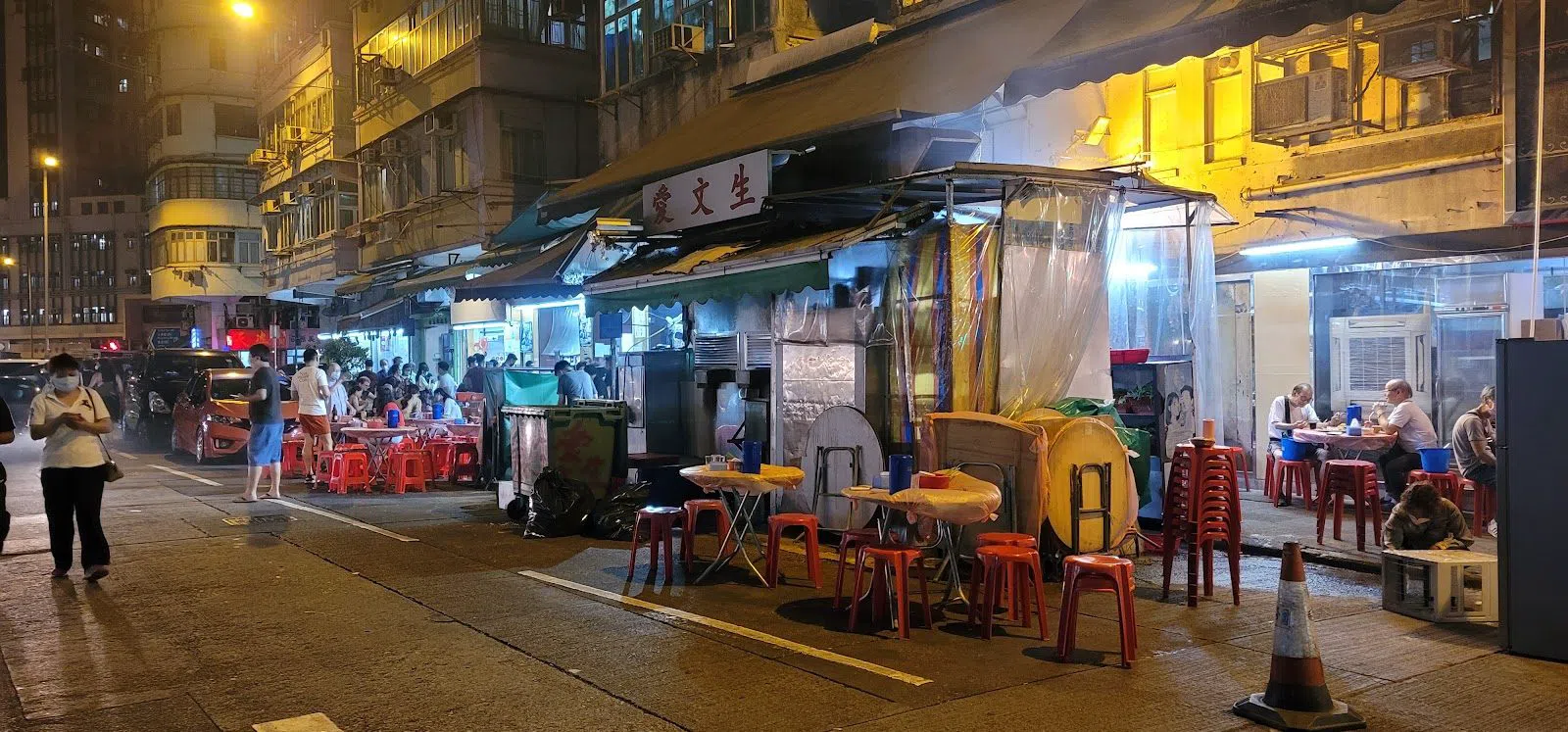
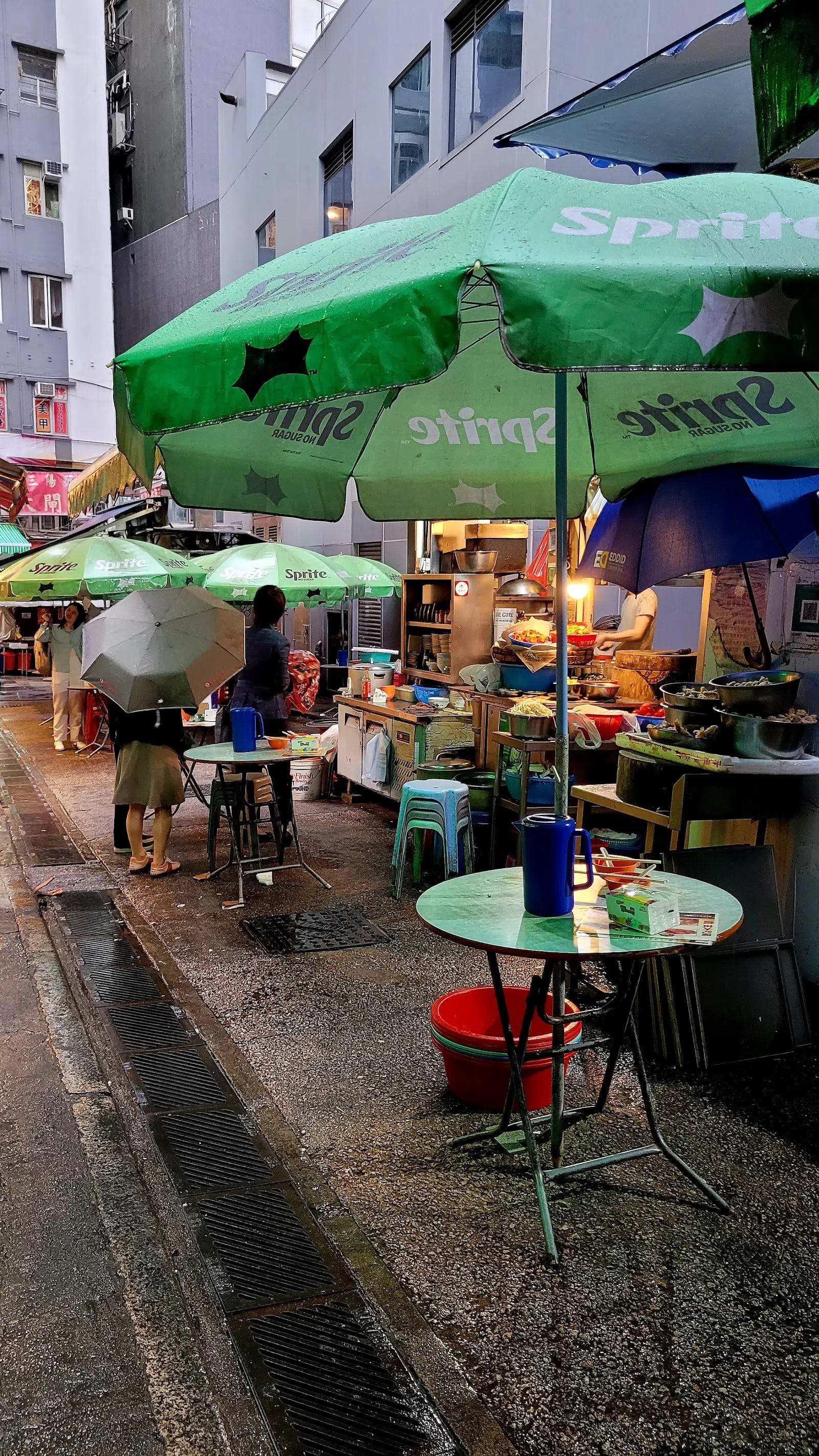
The green-painted awning. The roar of a gas ring throwing flame up the side of a carbon-black wok. Plastic stools spilling off the kerb, a shared table of strangers cracking crab with their fingers, a waiter shouting your order across the road to a chef who never looks up. This is a dai pai dong, and there are fewer of them every year. Hong Kong stopped issuing the open-air cooked-food licences decades ago and won't transfer them when an owner retires, so when one of these stalls closes, it closes for good. Here is where to still find the real thing in 2026 — what to order, what it costs in Hong Kong dollars, and how early to turn up.
Why the green awnings are vanishing
A dai pai dong (大牌檔, literally "big licence stall") is a licensed open-air cooked-food operation — the licence plate is physically large, hence the name. The government stopped issuing new ones and made the old ones non-transferable, which is why the survivors are either grandfathered family operations or businesses that have moved indoors, into the municipal cooked-food centres that now house much of the trade. The thing everyone comes for is wok hei (鑊氣) — the "breath of the wok," the smoky, slightly scorched flavour you only get from a screaming-hot pan and a cook who knows how to toss it. You can hear wok hei being made before you taste it. That sound is getting rarer, so if a stall on this list is on your route, eat there while you can. For the wider city, the Hong Kong guide covers the neighbourhoods these stalls sit in.
One blanket rule before we start: assume every place here is cash-only, and bring small notes. A few of the indoor centres now take cards or FPS, but the pavement stalls do not, and nobody wants to break a HK$500 note for a HK$60 bowl of noodles.
Plan your Hong Kong trip
Live prices from our booking partners.
Free cancellation on many rooms. We may earn a commission when you book.
The open-air originals
These are the ones still cooking under the sky, and they are the whole point.
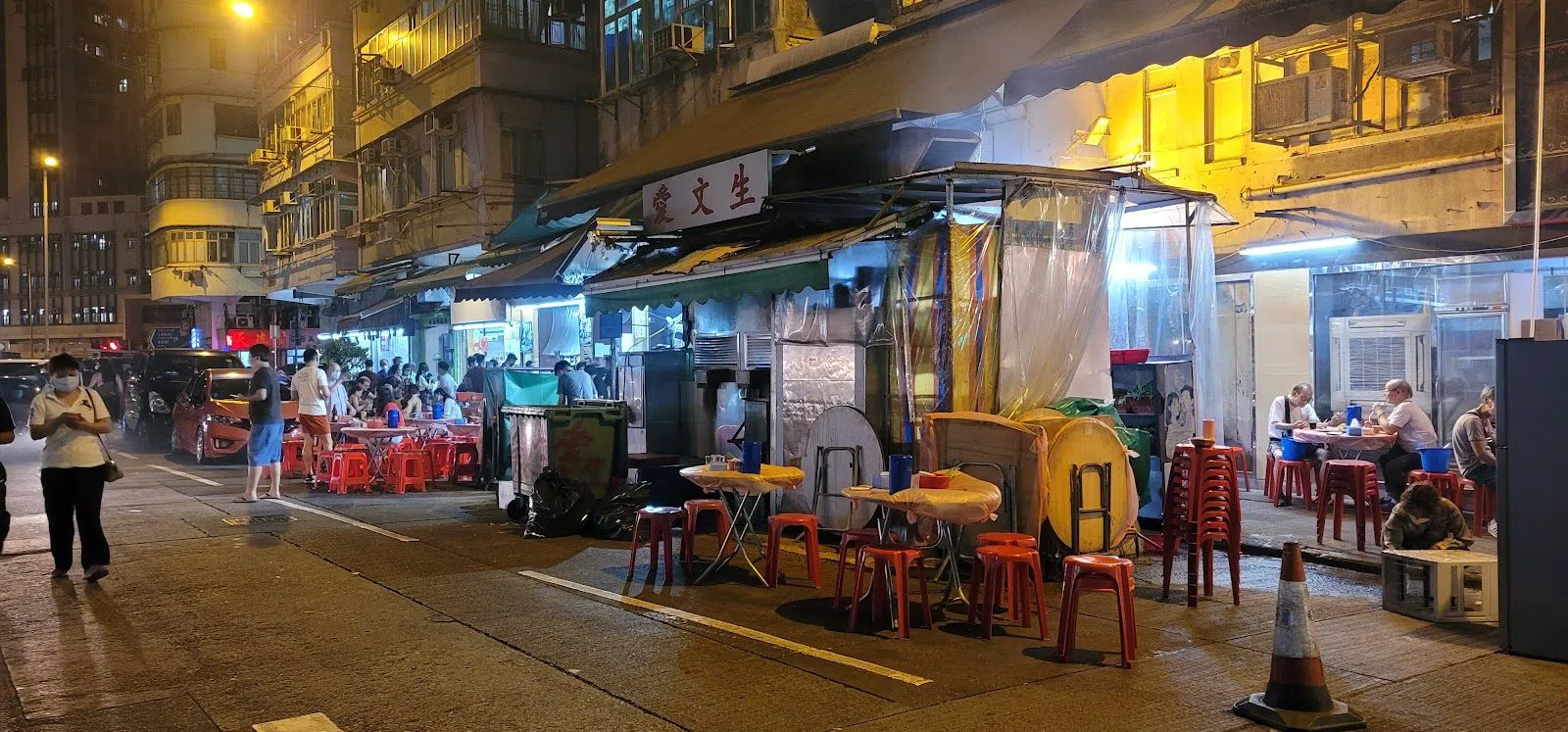
Oi Man Sang (愛文生, Sham Shui Po) has been going since 1956 and is the closest thing Hong Kong has to a living poster for wok hei. Open-air, loud, and built for sharing — big round tables, platters meant for a crowd. Order the razor clams (蟶子), the salt-and-pepper squid (椒鹽鮮魷) and the typhoon-shelter crab (避風塘炒蟹), which comes buried under a small mountain of crisp fried garlic. Budget HK$120–250 per person once you've shared a few plates and a couple of beers. This is a group place first and foremost; two people will struggle to order across the menu. Go early evening — 6pm, not 8pm — because it packs out and the queue is real. Expect to share a table and expect it to be worth it.
Sing Kee (盛記, Central) is the other end of the scale: one chef, one wok, sizzling clay pots, and cramped kerbside seating on a Central side street. It is a small operation and takes no big-party bookings, so this is for a pair or a foursome, not a birthday of twelve. What you're paying HK$100–200 a head for is the craft — watch the single cook work the pan and you understand what wok hei actually is. Come early or come late; the mid-evening crush leaves people standing on the pavement waiting for a stool to free up.
Night-market seafood under the neon
Hong Kong does its loudest, most theatrical seafood at night, and two stalls own that scene.
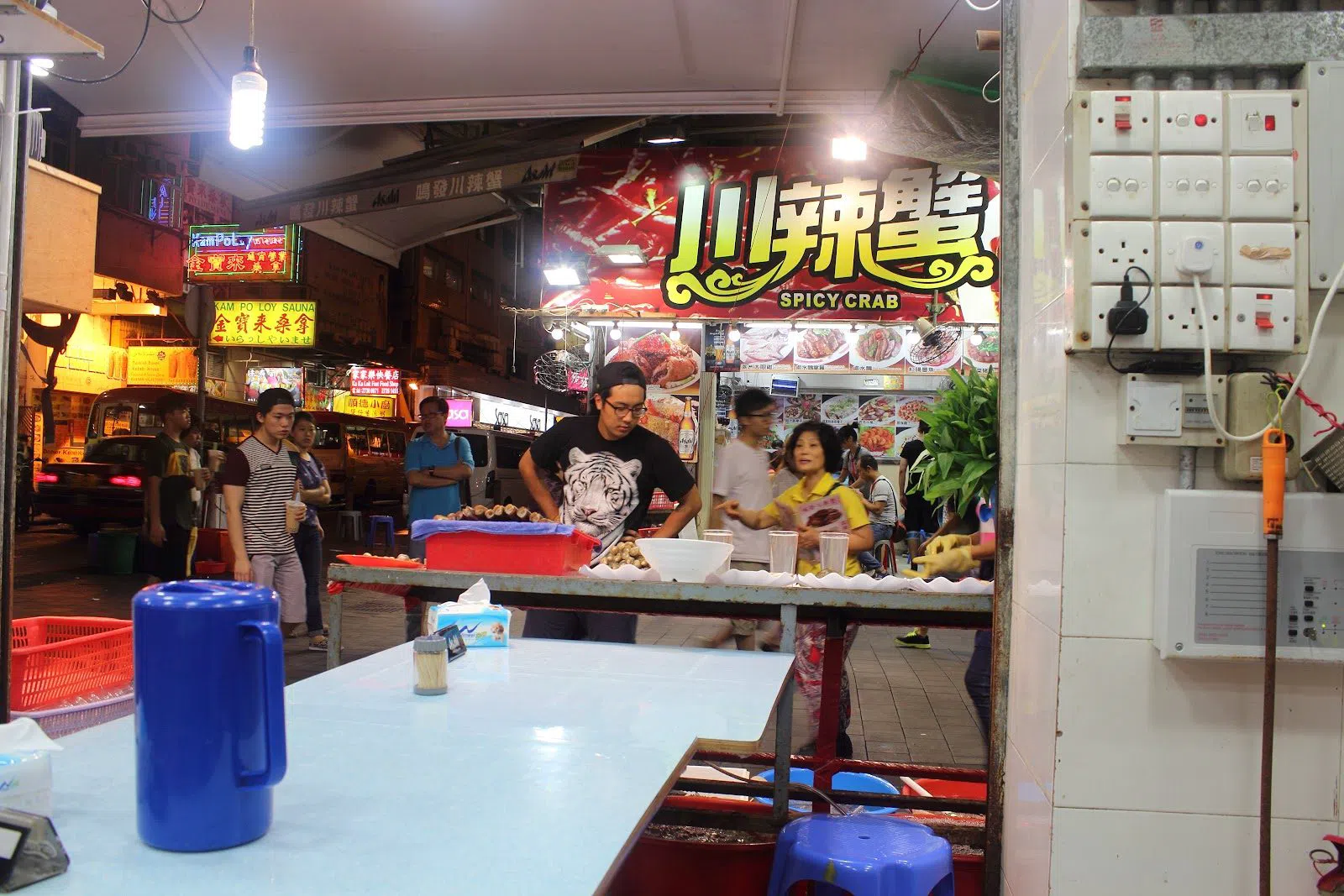
Temple Spice Crabs (廟街香辣蟹, Temple Street, Yau Ma Tei) is the Temple Street night-market legend, and it has quietly taken over three units on the same corner, which is good news for groups — staff will seat you as stools come free rather than turning you away. The chilli crab (香辣蟹) is the headline; the fried pomfret (煎倉魚) is the sleeper. It's buzzy, it's touristy in the best possible way, and it stays open late, to around midnight. Reckon on HK$150–300 per person with a crab and a fish between a few of you. Turn up hungry after 8pm when the market is fully lit.
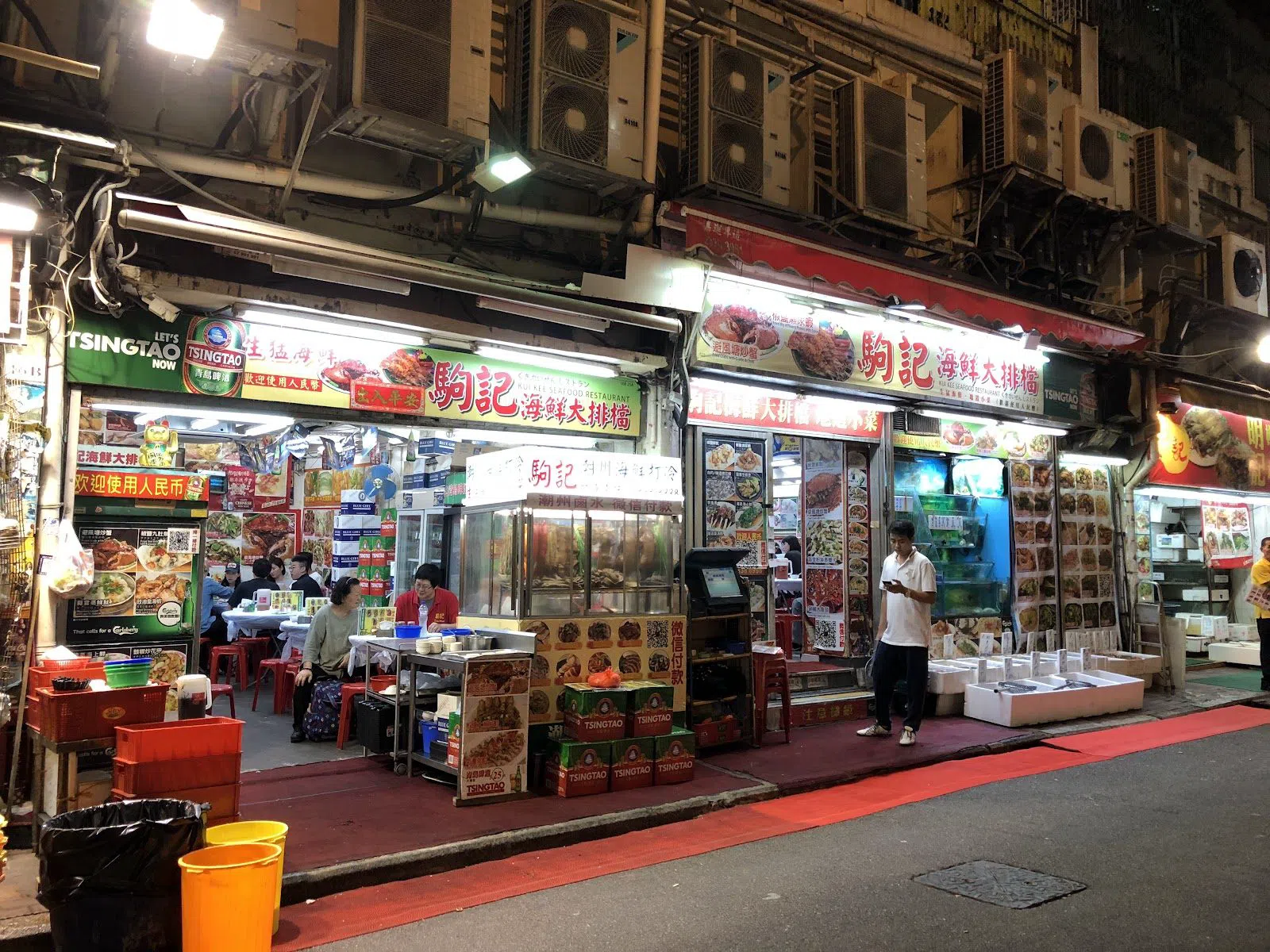
Kui Kee Seafood (駒記海鮮大排檔, Wan Chai) trades on old wet-market energy near Tai Yuen Street. The signatures are charcoal-roasted pigeon (燒乳鴿) and garlic razor clams (蒜蓉蟶子), and when a big party turns up they annexe extra space next door for the overflow. It reads as a proper local room rather than a tourist stop, which is exactly the appeal. HK$150–280 per person. Cash, and go early evening before the pigeon sells out — it does.
The licensed cooked-food centres
When a dai pai dong moves off the street, it usually moves into a municipal cooked-food centre — a covered hall of competing stalls sharing tables. Rawer and louder than any restaurant, and deeply local.
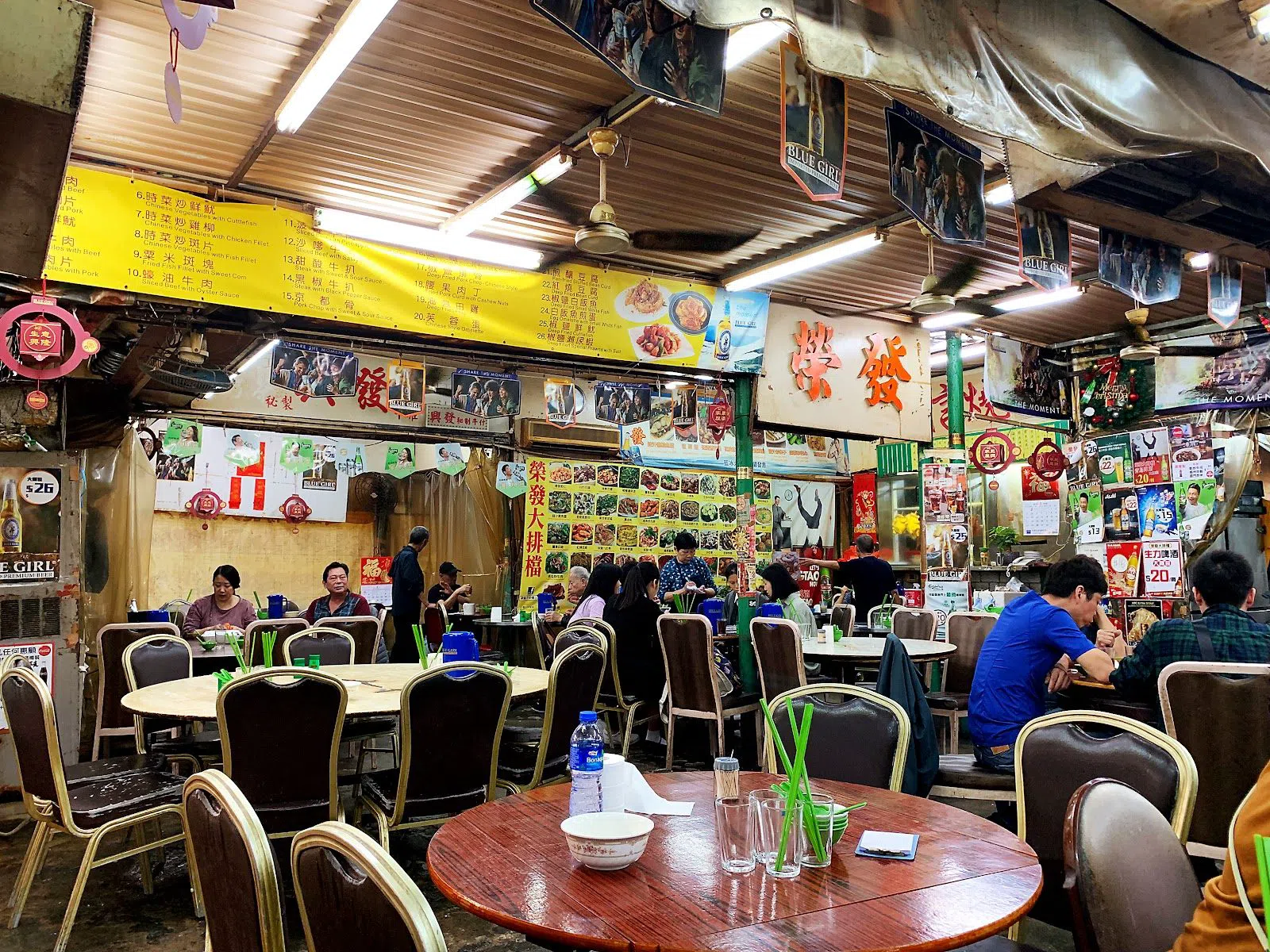
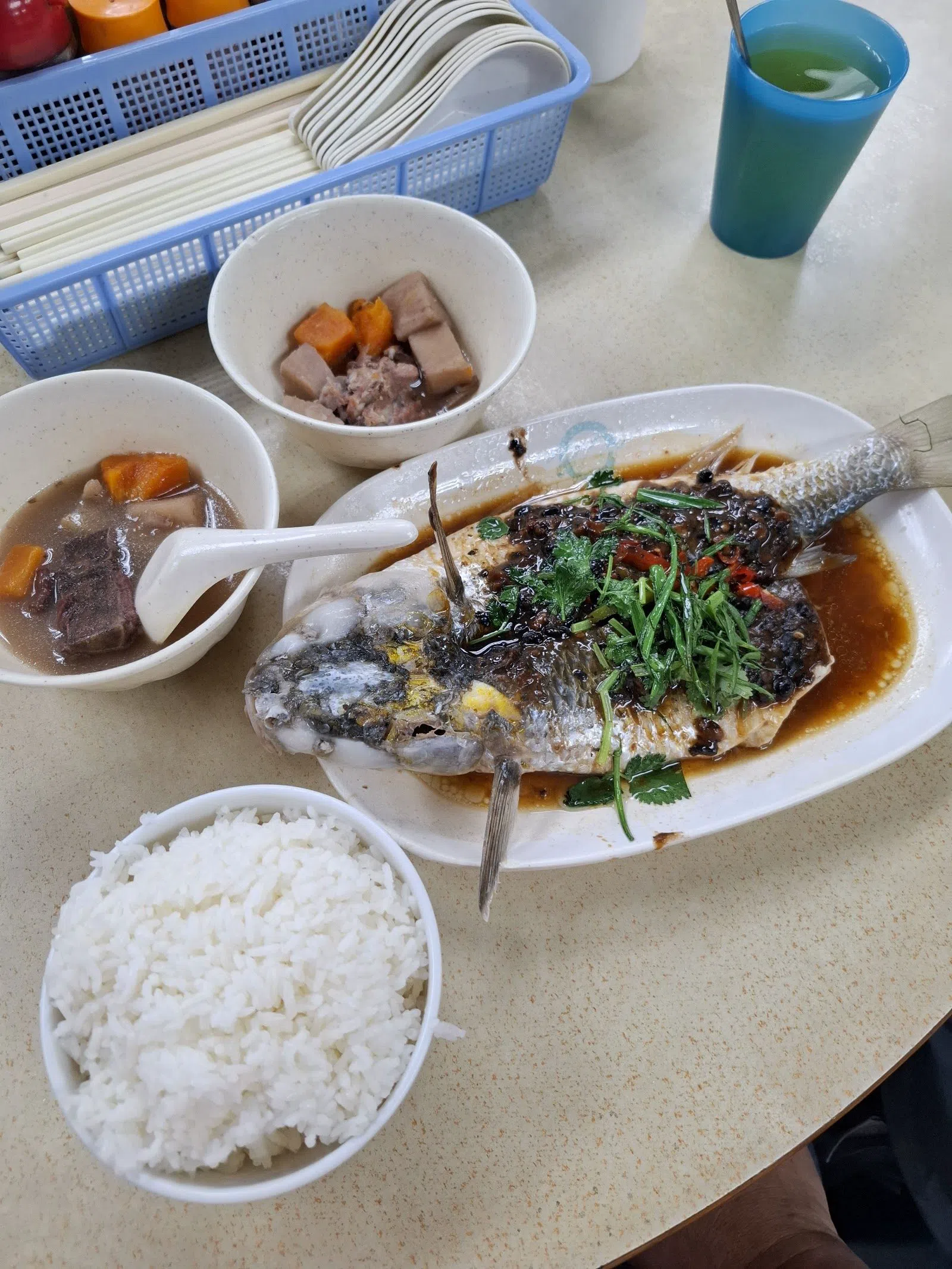
Wing Fat Seafood (榮發大排檔, Wan Chai) is your window into the licensed hawker-bazaar side of the culture. You order across shared tables — braised clams, spicy sea snails (辣酒煮花螺) cooked in wine, claypot dishes — and eat elbow to elbow with the neighbourhood. Group-friendly by design; HK$120–240 per person.
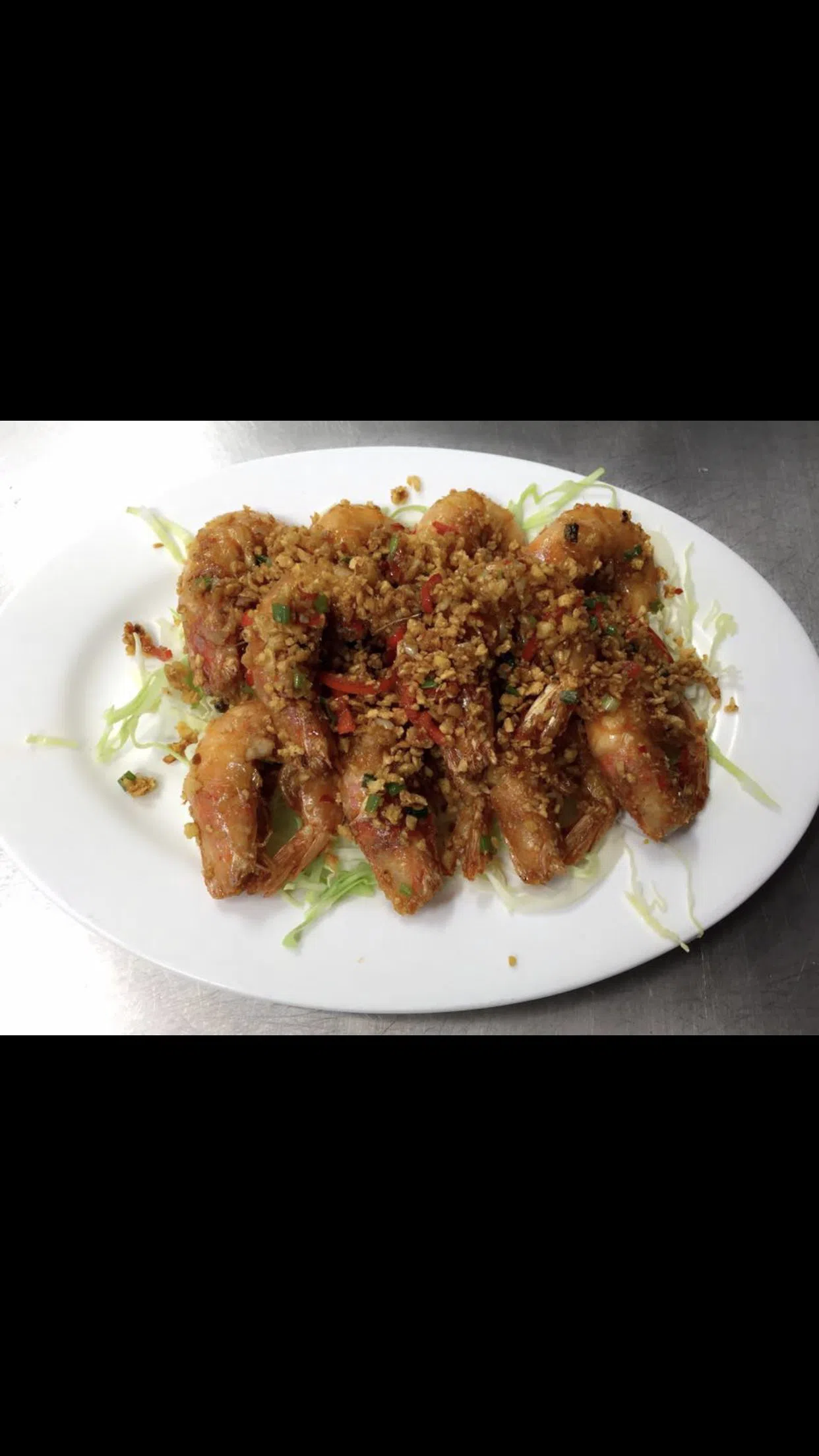
Fat Chuen Seafood (新肥泉海鮮大排檔, To Kwa Wan) is wok-powered seafood plus dozens of claypot-rice (煲仔飯) options in a classic municipal centre. Big tables, dozens of dishes to pass around, and a volume level that tells you it's the real deal. Great for a large group who want to over-order and share; HK$150–300 per person.
Sun Tai Yuen (泰源大排檔, Sheung Shui, New Territories) is a 30-year favourite worth the trip out east for grilled pigeon (燒乳鴿) and salt-and-pepper cuttlefish (椒鹽墨魚). Roomy tables make it a destination for out-of-town feasts — the kind of meal a local family plans a whole afternoon around. HK$120–240 per person. It's a haul from the urban core, so make a day of it rather than squeezing it in.
Bring the whole party
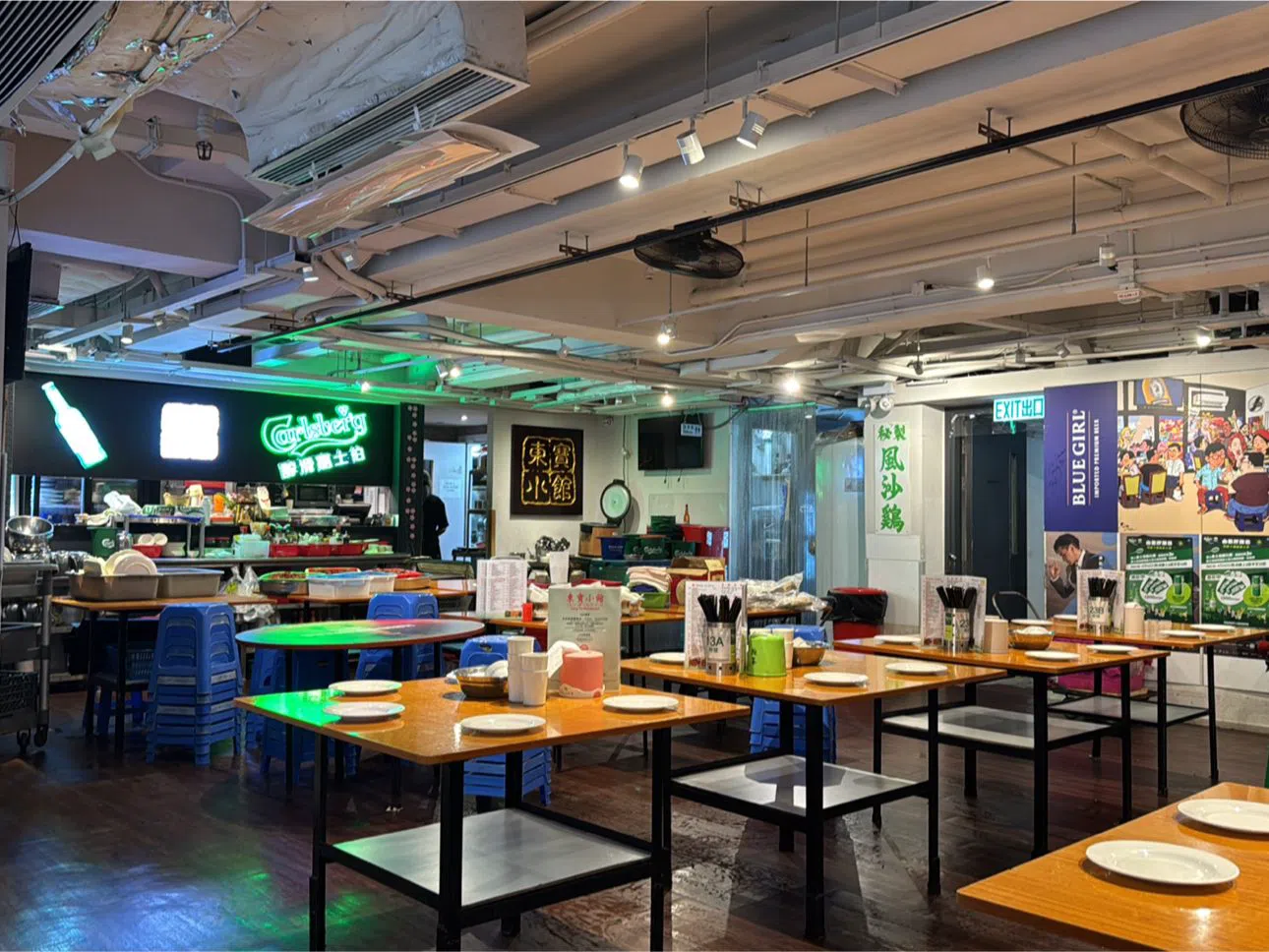
Tung Po (東寶小館, North Point) is the one to book when you have a crowd and a reason to celebrate. This is the cult banquet dai pai dong — long communal tables, banquet-style ordering, beer drunk from ceramic rice bowls, and a room that gets genuinely raucous. Order the squid-ink pasta (墨汁意粉), the chicken liver, and let the staff steer the rest. It moved indoors after a relocation, so it's no longer strictly open-air, but the spirit is intact and the noise is unchanged. HK$200–350 per person, and you should book ahead for any large party — walking in with ten people on a Saturday won't work. This is the single best group venue on the list; it is not where you take someone for a quiet first date.
Morning stalls and cha dong breakfasts
The other half of the culture happens at breakfast, at the cha dong (茶檔) tea stalls, where the bill rarely troubles you.
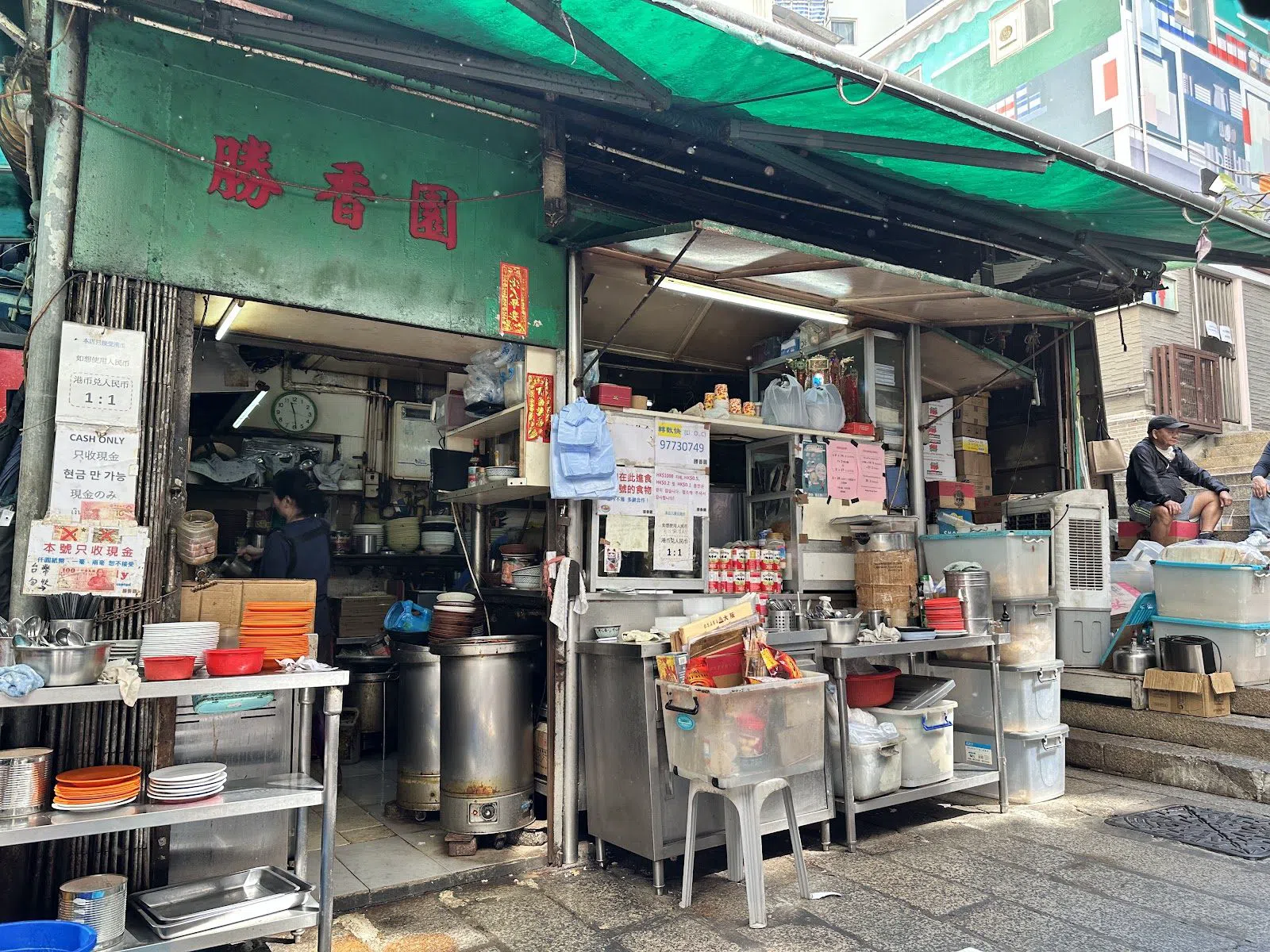
Sing Heung Yuen (勝香園, Central) is the daytime institution, famous for tomato soup noodles (蕃茄湯麵) and crispy buns (脆脆) slathered with condensed milk and honey. It's a photogenic, low-cost must for a first-timer — communal benches, no reservations, roughly HK$40–80 per person. It runs daytime only, about 8am to 3:30pm, and is closed Sundays. Come before noon; the queue at 12:30 is punishing and there is nowhere to wait but the road.
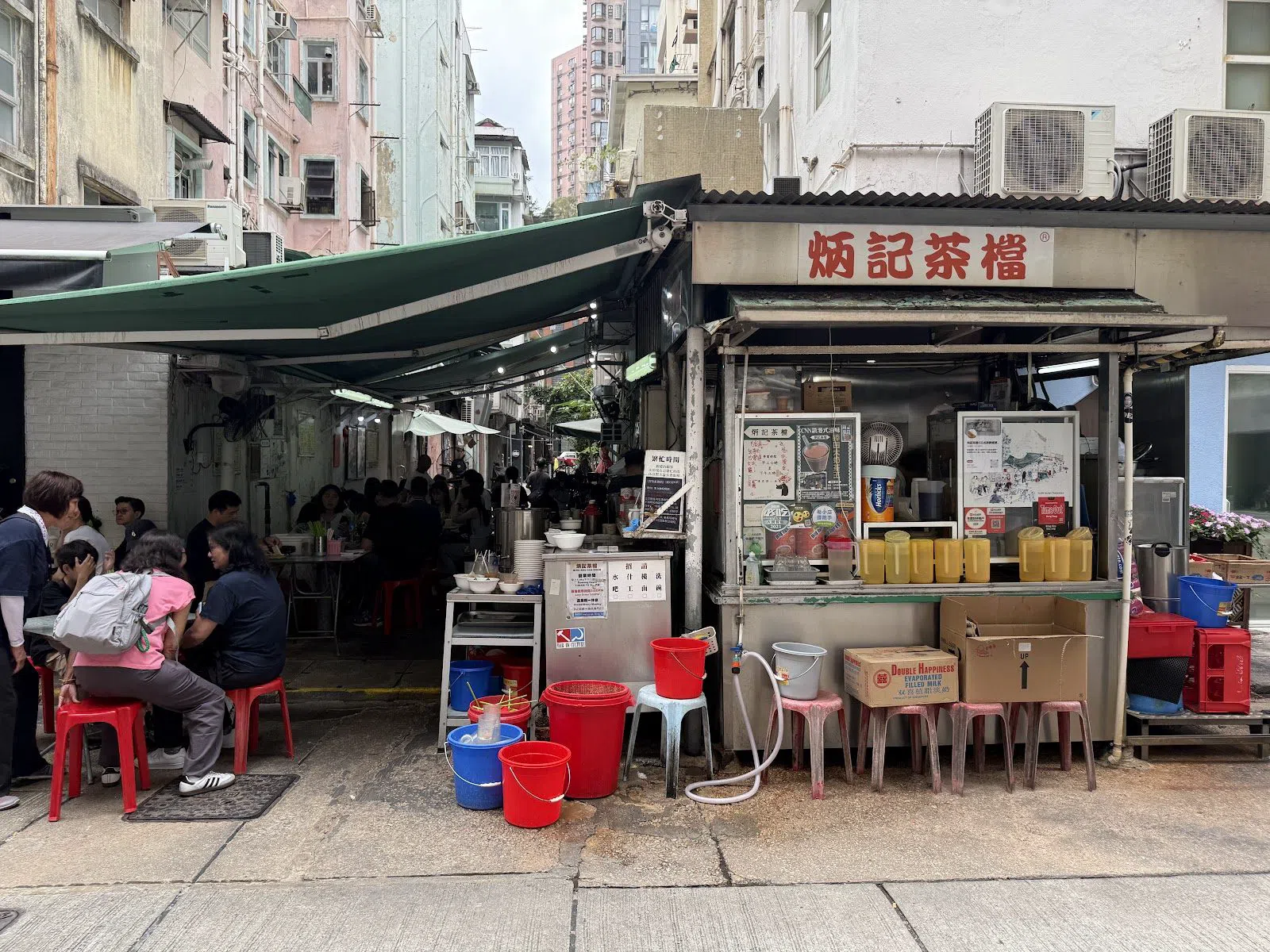
Bing Kee (炳記茶檔, Tai Hang) is a 1950s morning stall famous for pork-chop instant noodles (豬扒公仔麵) and silky milk tea (奶茶). It reopened after a short closure in 2025, so check the hours before you trek over — it runs Tuesday to Sunday, mornings only, and the footprint is tiny, so it fills fast. HK$40–90 per person. Best for a pair or a small group; there simply isn't room for more.
So Kee (蘇記茶檔, Sham Shui Po) is the nostalgic cha dong to fold into a Sham Shui Po market crawl — pork-chop noodles (豬扒麵), Hong Kong-style French toast (西多士) and milk tea, all kerbside and all cheap at HK$40–80 per person. Easy, quick, cash, small groups only.
The neighbourhood all-rounder
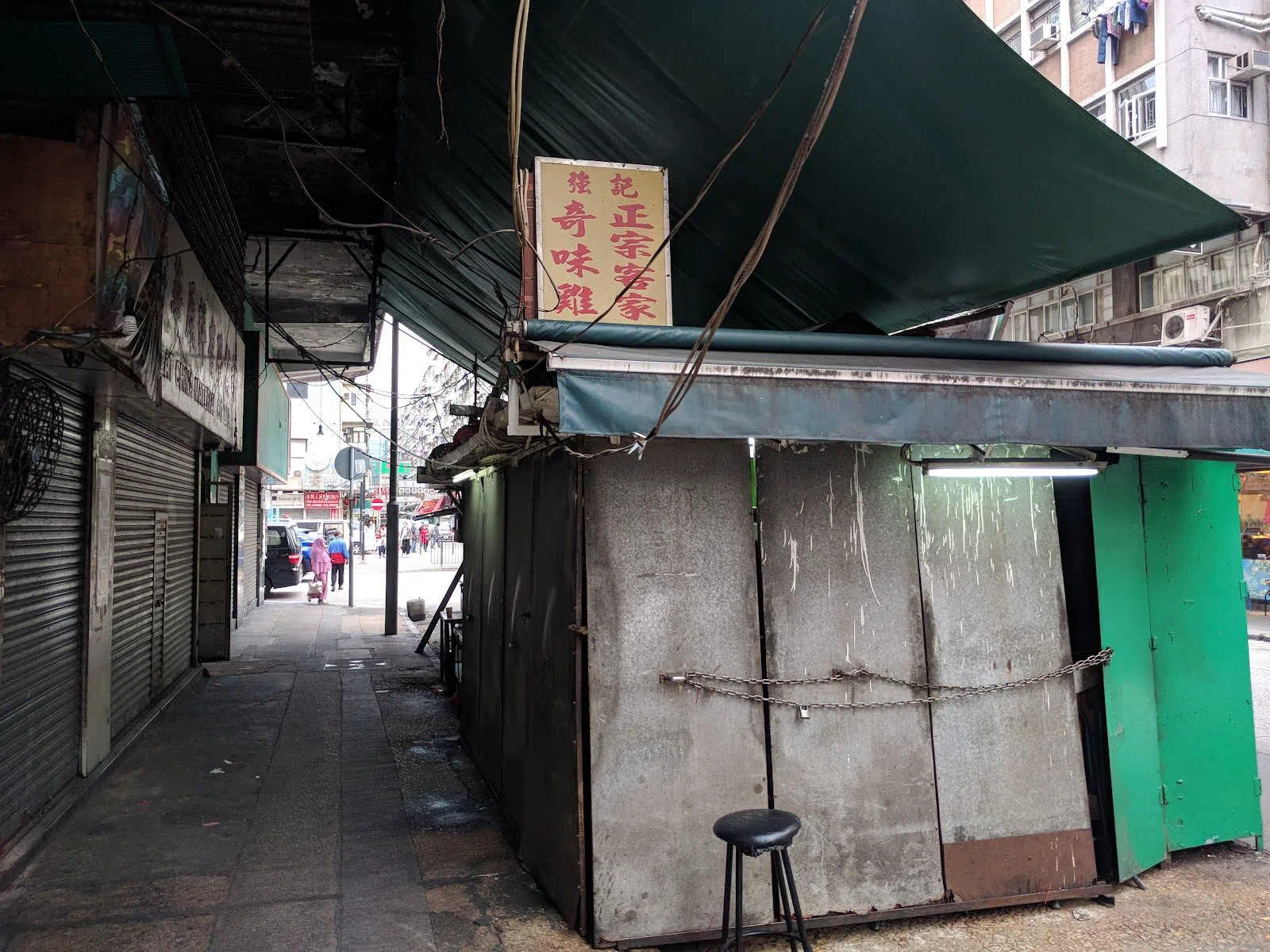
Keung Kee (強記大牌檔, Wan Chai) earns its own mention because it's listed in the Michelin Guide 2026 and runs from breakfast right through to dinner — clams in black bean sauce (豉椒炒蜆), claypot rice (煲仔飯), and a properly smoky beef ho fun (乾炒牛河) that is the wok-hei benchmark dish. There are only six tables and it's strictly first-come, so this is a small-group or solo spot, not a party venue. HK$80–160 per person. Turn up off-peak — mid-afternoon, or the moment it opens — because those six tables turn over slowly and there's no list to put your name on. Cash.
Planning it: transport, cash, timing, budget
Transport. Everything here sits near an MTR station — Sham Shui Po, Central, Wan Chai, North Point, Yau Ma Tei and Tai Hang (walk from Tin Hau or Causeway Bay) are all a short stroll from a stop. Sun Tai Yuen out in the New Territories is the exception and needs a proper journey by East Rail; treat it as a half-day trip rather than a casual drop-in. Get an Octopus card for the trains, but remember it won't help you at most of the stalls.
Cash. Assume cash-only across the board and carry HK$100 and HK$50 notes plus coins. The open-air stalls take nothing else, and even the indoor centres are hit-and-miss on cards. An ATM run before you sit down saves an awkward moment.
Timing. The breakfast stalls — Sing Heung Yuen, Bing Kee, So Kee — are morning-only and mostly done by mid-afternoon, so do them first and check the day (Sing Heung Yuen closed Sundays; Bing Kee closed Mondays). For the evening seafood stalls, 6–7pm beats the 8pm crush at Oi Man Sang, Sing Kee and Kui Kee. Temple Spice Crabs and Tung Po run late, so they're your after-9pm options. Book ahead only for a big party at Tung Po; everywhere else is first-come, and turning up early is the only reservation you get.
Budget. The cha dong breakfasts land around HK$40–90 a head. A shared wok-and-seafood dinner runs HK$120–300 per person depending on how much crab and pigeon you order, and a full-blown Tung Po banquet with beer can push HK$350. None of it is expensive for the theatre you're buying.
Book a base near the MTR and you can string several of these into a single day. Start with a Hong Kong hotel search, keep small notes in your pocket, and go while the woks are still roaring under the green awnings — because the licences don't come back.
Before you go
What exactly is a dai pai dong?
A dai pai dong (大牌檔) is a licensed open-air cooked-food stall — the name means 'big licence stall' after the oversized licence plate. They're known for wok hei, the smoky flavour from a screaming-hot wok, and for plastic-stool, shared-table street dining. Hong Kong no longer issues new licences, so the survivors are grandfathered family stalls or businesses that have moved into covered cooked-food centres.
Are Hong Kong dai pai dong cash-only?
Assume yes. Every open-air pavement stall on this list takes cash only, and even the indoor cooked-food centres are unreliable on cards. Carry HK$100, HK$50 and HK$20 notes plus coins, and don't expect to pay by phone. An ATM stop before you sit down saves trouble.
Which dai pai dong is best for a big group?
Tung Po in North Point is the standout banquet venue — long communal tables, banquet ordering and beer from rice bowls, at HK$200–350 per person; book ahead for a large party. For open-air groups, Oi Man Sang in Sham Shui Po and the seafood cooked-food centres like Fat Chuen and Wing Fat are built for sharing. Small stalls like Sing Kee, Keung Kee and Bing Kee suit pairs, not crowds.
Do I need to book, and how early should I arrive?
Only Tung Po really takes bookings, and you should reserve there for any large group. Everywhere else is first-come, so early arrival is your only 'reservation.' Aim for 6–7pm at the evening seafood stalls to beat the 8pm queue, and go before noon at the breakfast cha dong like Sing Heung Yuen, which is mobbed by 12:30.
How much does a dai pai dong meal cost in Hong Kong?
A cha dong breakfast of pork-chop noodles and milk tea runs about HK$40–90 per person. A shared wok-and-seafood dinner is roughly HK$120–300 a head depending on how much crab and pigeon you order, and a full Tung Po banquet with beer can reach HK$350. It's excellent value for the food and the theatre.