The Hong Kong issue
Walking the Ghost of Kowloon Walled City in Hong Kong
Hong Kong pulled down the densest place it ever built in 1994. Enough is left to read it by: the walking route, the ticket queue and the temple.

By Inês RochaThe city past the skyline, on foot and by ferry

Thirty-odd years ago you could not have stood here. This lawn, these bauhinia beds and this scrubbed Qing gatehouse sit on six and a half acres that once held a population usually put at more than thirty thousand people, stacked to roughly fourteen storeys with no architect and no building code. The Kowloon Walled City was demolished in 1994 and replaced by a public park in 1995, and more of it is still walkable than you would expect, if you know which gate, which temple and which queue.
Start on the ground it stood on
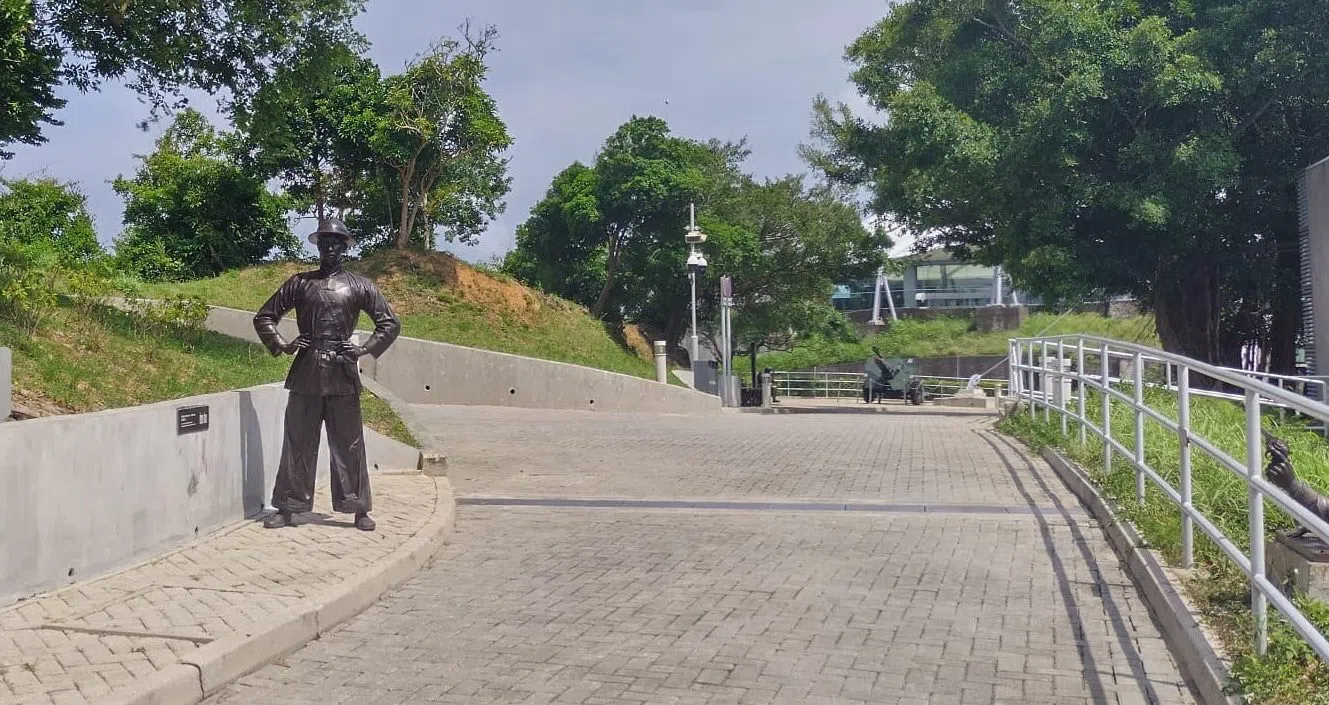
Kowloon Walled City Park (Kowloon City) is not a memorial to the enclave standing somewhere nearby. It is the site. The yamen, the old administrative building the demolition crews kept, together with the South Gate stones lifted out of the ground in 1994, is the only original fabric left anywhere in the world, and that is the reason to come rather than watch a documentary. The park is free and open 06:30 to 23:00 daily; the exhibition rooms inside keep shorter hours, 10:00 to 18:00, and are closed on Wednesdays, which is the most common way visitors waste the trip.

Getting here on foot matters. From Sung Wong Toi station on the Tuen Ma Line it is about ten minutes north through Kowloon City's shophouse blocks; from Lok Fu on the Kwun Tong Line it is a similar walk downhill from the north. Take the Sung Wong Toi approach. You arrive through the streets the enclave actually fed into, rather than dropping into a garden from above, and the compression of those blocks is the closest a modern street can get you to the feeling of the thing. The LCSD runs free guided tours and takes bookings from schools and interest groups through the park office. Take one, because unguided the lawn tells you almost nothing. Outdoors, a party of thirty is fine. Indoors it is not: the exhibition rooms are small, so split anything over twenty into waves.
Plan your Hong Kong trip
Live prices from our booking partners.
Free cancellation on many rooms. We may earn a commission when you book.
The queue that gets you inside the labyrinth
The one place that recreates the alleys is in the same compound. Kowloon City: A Cinematic Journey Movie Set Exhibition, properly Kowloon Walled City: A Cinematic Journey (Kowloon City), was built by the film crews behind Twilight of the Warriors: Walled In on the enclave's own footprint, and it is confirmed to run until 23 May 2028. Entry is free and it is the closest anyone alive will get to walking that labyrinth. It is also hard-capped at 60 people per 15-minute slot.
The ticket rules decide your morning, so take them seriously. Tickets are same-day paper only, handed out outside the yamen, maximum two per person, with a morning batch from 08:45 and an afternoon batch from 13:45. There is no online booking and no group reservation of any kind. A couple can walk up at 08:30, wait, and be inside comfortably. A group of ten cannot be booked in as a group; you queue as ten individuals, or as five people each collecting two. If you arrive at 11:00 expecting to stroll in, you will not get in. Treat it as the fixed point of the day and build everything else around it.
The garrison's own temple
Five minutes' walk away, Hau Wong Temple, Kowloon City (Kowloon City) holds the richest surviving collection of relics from the Qing soldiers and officials who manned the Walled City between 1847 and 1899. It was declared a monument in 2014 and it is open 08:00 to 17:00, free, with a donation if you take incense. This is the piece of the story the park cannot tell you: before the squatter towers, before the lawlessness, this was a garrison, and the reason the enclave was never surrendered in 1898 is military, not mythic.
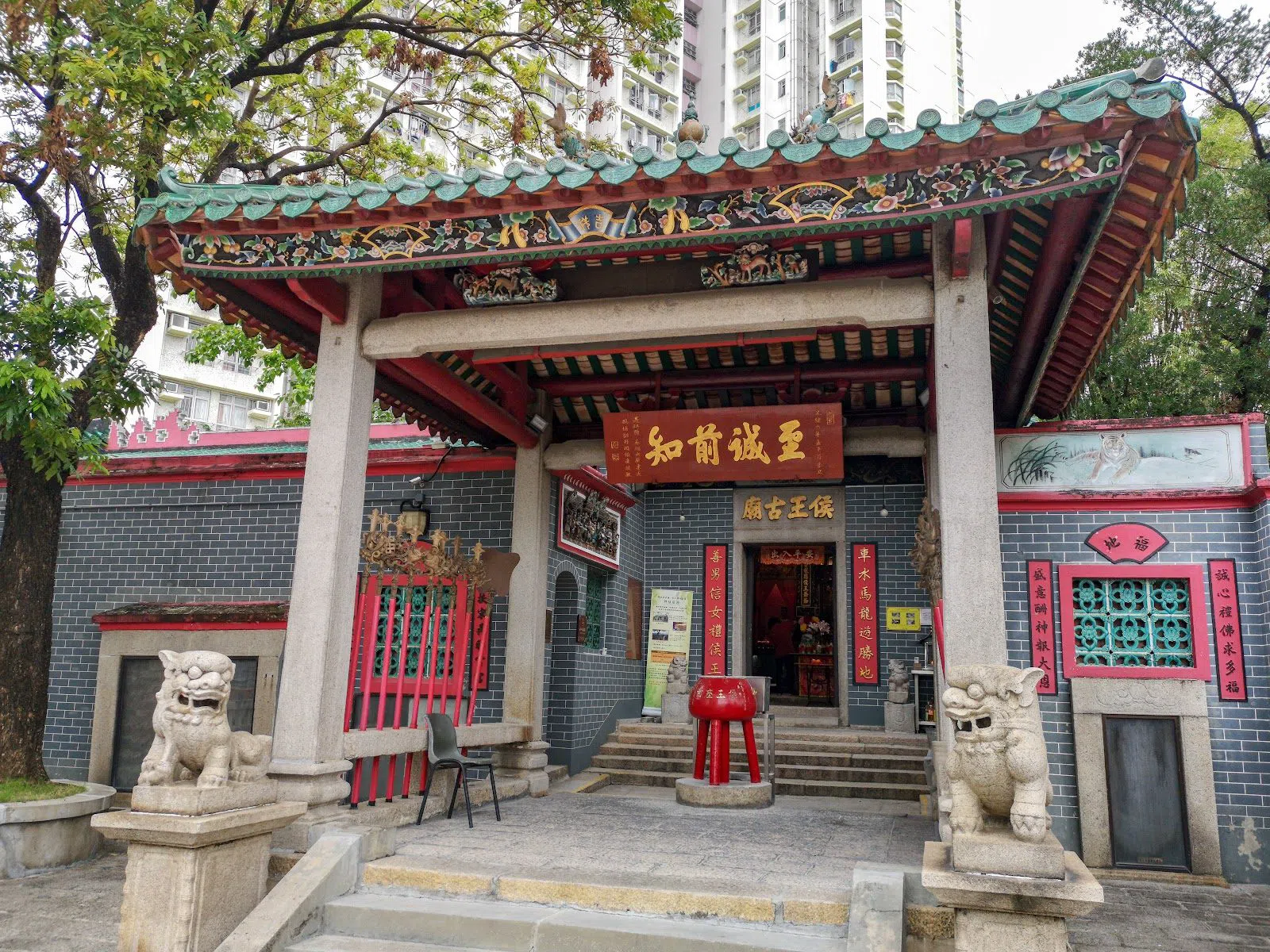
Be careful here. It is a genuinely small hall and an active place of worship, not an exhibit. Keep parties under about a dozen, go quiet at the door, and do not photograph people mid-offering. If you are travelling with a big group, this is the stop to visit in two halves while the rest wait in the park.
Why the towers stopped at fourteen storeys
Every photograph of the Walled City shows the same flat top, as if someone had sliced the block with a knife. Someone effectively had: aircraft on final approach to Kai Tak. Walk or ride out to Kai Tak Sky Garden (Kai Tak), an elevated free park laid along the old runway line, open and unrestricted with room for any size of group and no booking needed. It links on foot to Kai Tak Runway Park and the cruise terminal, so it also works as the end of a longer walk.
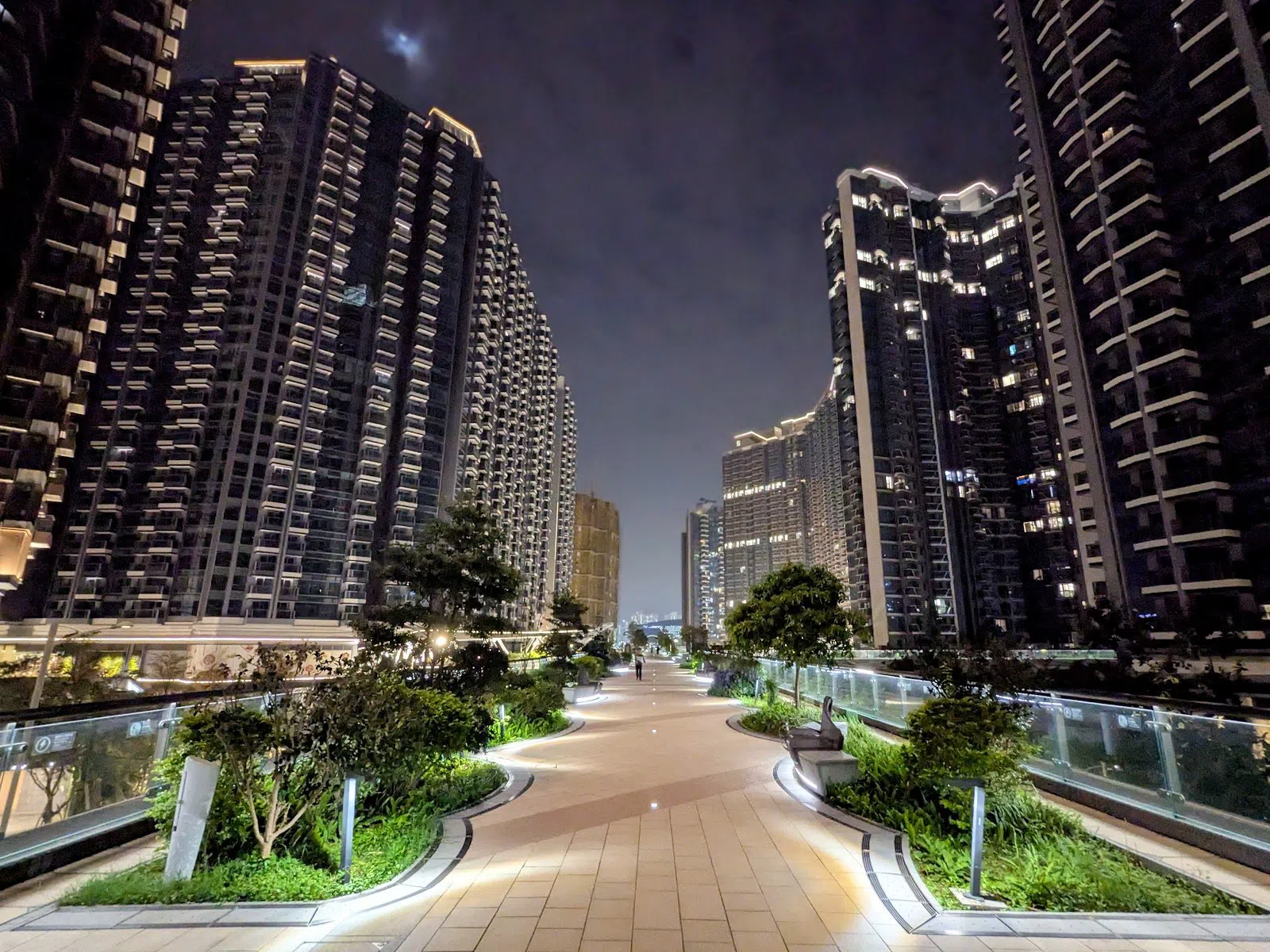
Stand on that line facing back towards Kowloon City and the enclave's silhouette explains itself to anyone who has not read a book about it. The height limit was not a planning department the Walled City ignored, it was physics it could not. I would not send you to a viewpoint I had only seen from a taxi window; reach this one on foot, because the flatness of the reclaimed ground on the way is part of the argument.
Ground much older than the enclave
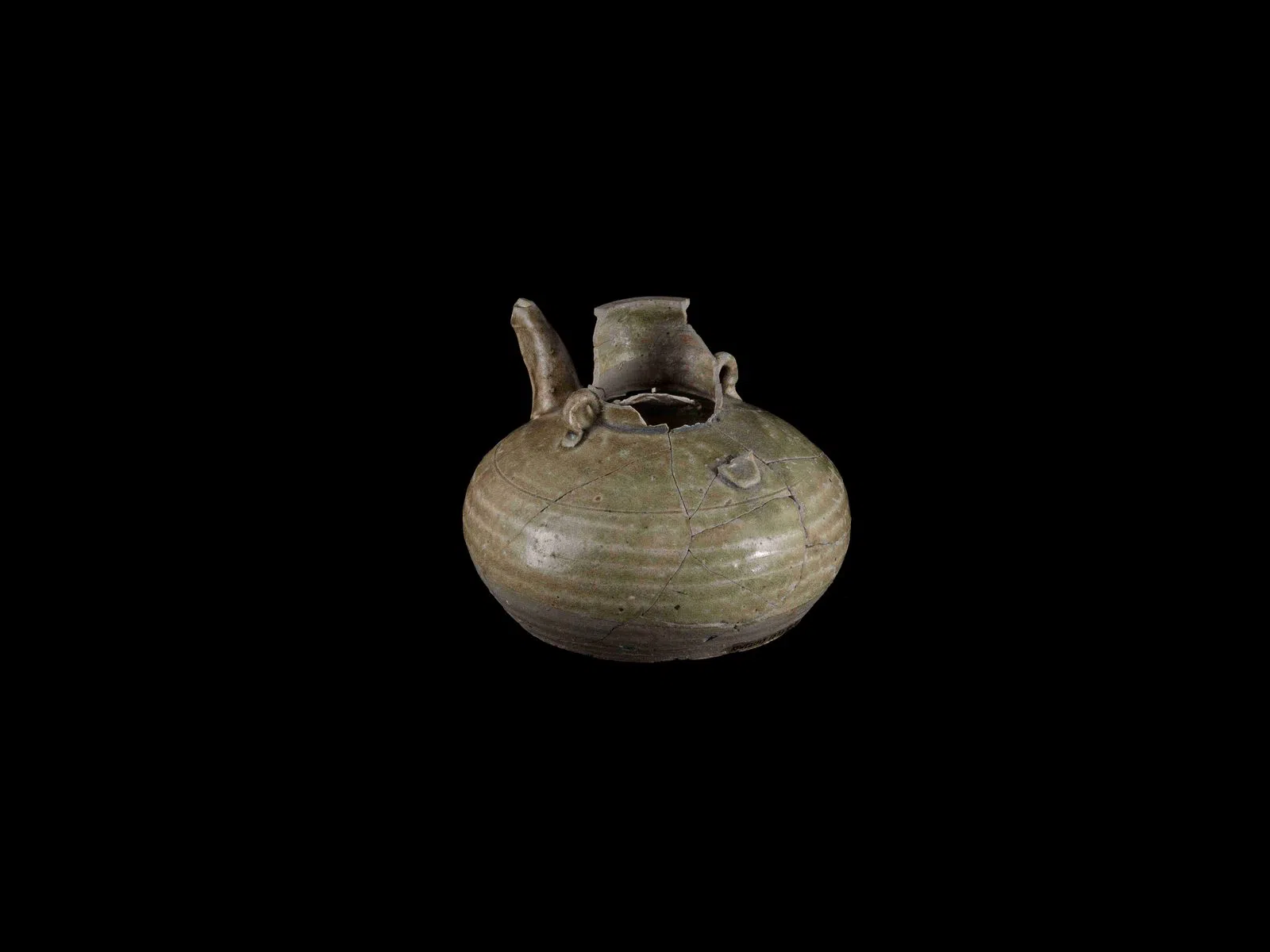
Kowloon City did not begin with squatters. Inside the Tuen Ma Line station, the Sung Wong Toi Station Archaeological Display (To Kwa Wan) shows over 400 finds unearthed when the line was dug, the first permanent relics display inside a running MTR station. It is free, though you will need a fare if you are travelling, and it proves this shoreline was busy some 700 years before the towers went up. Small groups are fine; avoid morning and evening rush, when staff will move a crowd along and you will see nothing.
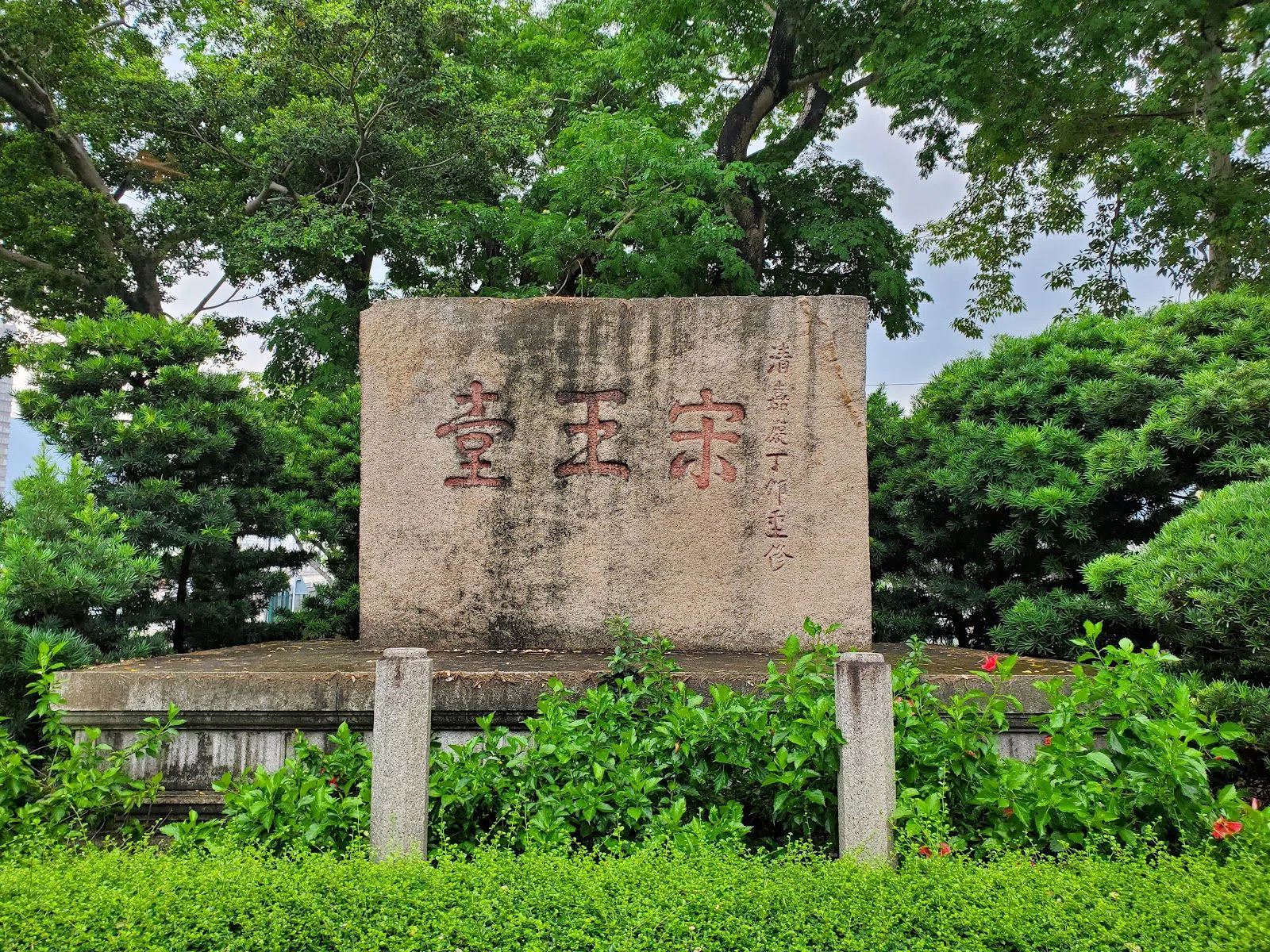
Upstairs, Sung Wong Toi Garden (Kowloon City) is open 07:00 to 23:00 with no restrictions and enough benches and shade to regroup a walking party. The Sacred Hill this rock once crowned was blasted flat to extend the airport, and the inscribed stone was cut down and moved here in 1959. Kowloon City keeps losing its landscape and keeping a fragment, and this is the picture of it: a hilltop monument standing at street level in a garden, a short walk from a park that is standing in for a vanished city.
Lunch in Little Thailand
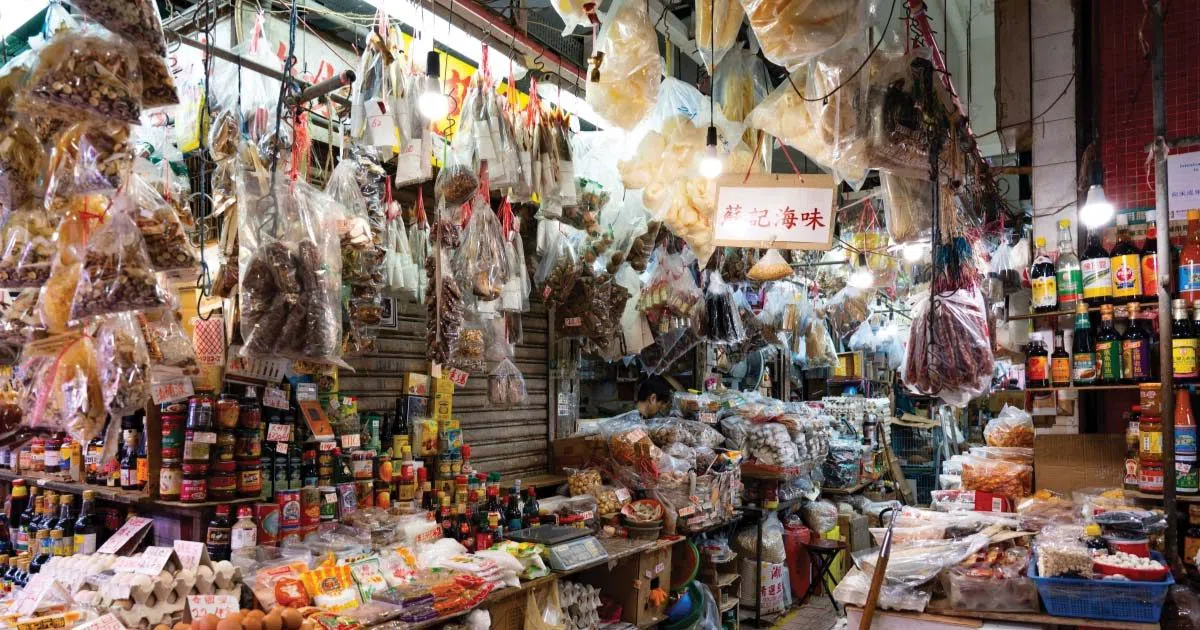
Kowloon City Market and Cooked Food Centre (Kowloon City) is the honest lunch stop on this route, not a detour. This is the neighbourhood the Walled City fed into and out of, and the Thai community here, Little Thailand, grew out of the airport-era migration that shaped these streets. Expect HK$50 to 120 per head. It is open 06:00 to 02:00, which makes it the rare stop that survives a late morning in a ticket queue.
There are no bookings and no door policy. Stalls will push tables together for six to eight; a party larger than that should split across two stalls or come outside the 12:00 to 14:00 crush, when the cooked food centre is at its most territorial about seats. Bring small notes.
Reading the district rather than the ruin
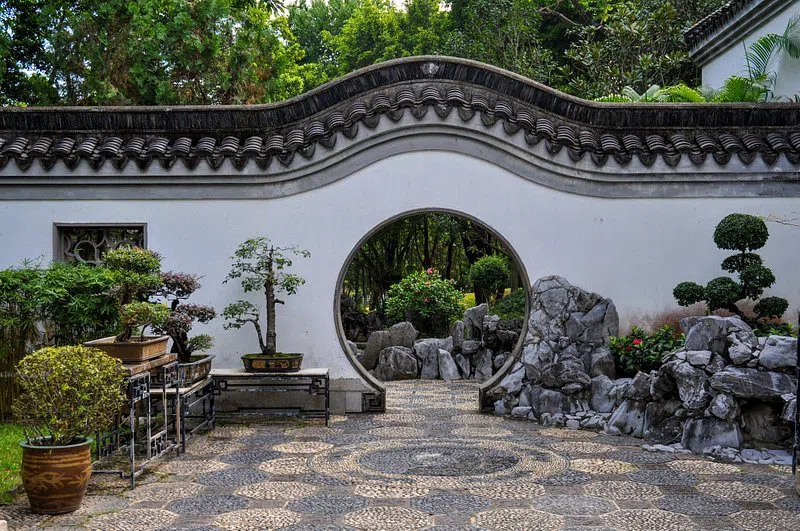
If you have half a day rather than two hours, walk the Kowloon City Thematic Walking Trail (Kowloon City), officially Kowloon City in Transformation, which is Hong Kong's longest themed walking trail, free and self-guided at any hour. It is run by Hong Kong Sheng Kung Hui with Urban Renewal Fund backing, and the organisation also runs guided walks and community activities you can join or book. Check what is actually running before you build a day around a guided departure; the programme changes.
For storytelling, Walk in Hong Kong (city-wide, Kowloon City departures) runs two distinct walks here: Stories from Kowloon Walled City: From Military Outpost to City of Darkness, and a Walled City food adventure. Public departures run roughly HK$400 to 800 per person for two hours, with private and customised tours quoted on request through the booking form. This is the one paid item I would defend on a free itinerary: the park is a lawn until someone stands you on the right paving slab and tells you what was above your head. Confirm language and headcount when you book, because English is available but is not automatic on every departure.

The endings the Walled City did not get
Ten minutes from the park, Cattle Depot Artist Village and Art Park (To Kwa Wan) is a Grade II site that was kept and reused rather than bulldozed, the other possible ending for an awkward old structure. The Art Park is open 07:00 to 22:00 and free; the studios keep their own hours around exhibitions, so a group should check what is on before turning up to a locked door. Twenty-odd art groups work here and the content changes month to month.
The social half of the story sits in Heritage of Mei Ho House (Sham Shui Po). The museum is free, open 10:00 to 18:00 Tuesday to Sunday and closed Mondays, with guided tours and group visits bookable through the YHA. The building is still a working hostel, with beds from about HK$300, if a group wants to sleep inside the answer. This is where the families the Walled City housed were meant to end up. Seeing the cubicle flats makes the enclave's economics legible instead of lurid: people were not there for the mythology, they were there because the rent was nothing and the rules were nobody's.
Where the wider story is kept

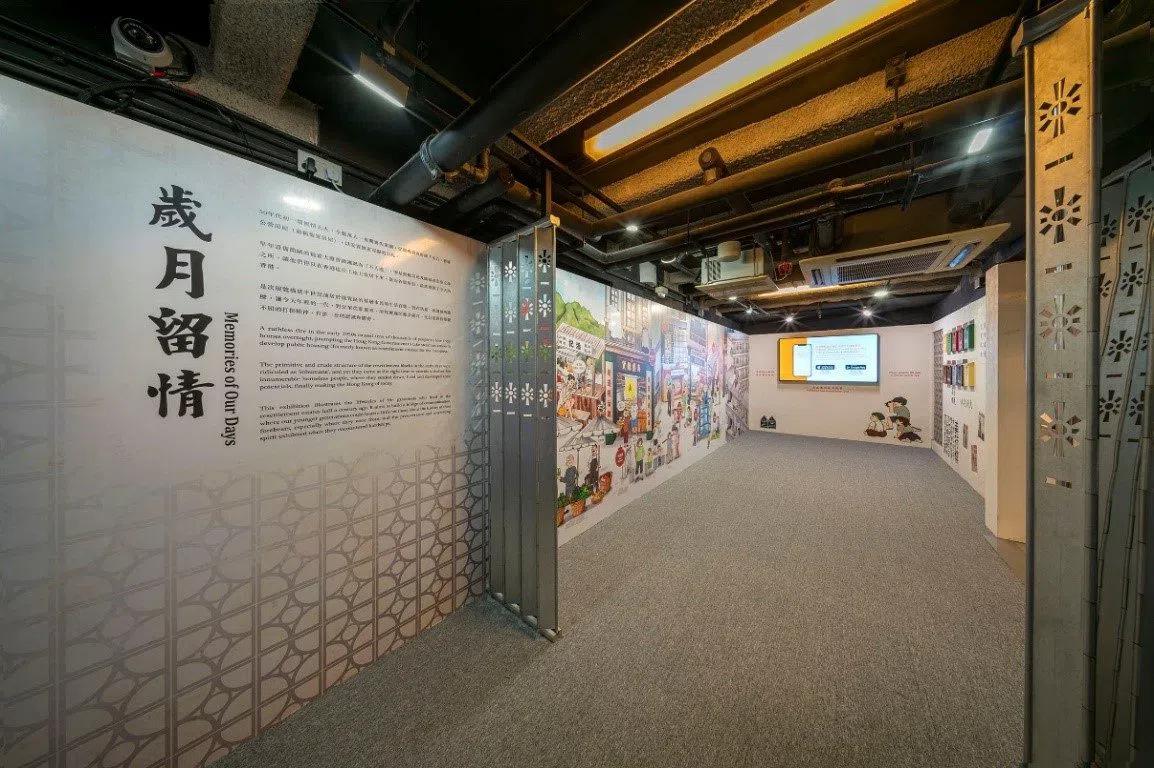
For context, cross the harbour. The Hong Kong Museum of History (Tsim Sha Tsui East) reopened its revamped Hong Kong Story permanent exhibition on 1 April 2026 after nearly five years shut, and it is free with no ticket needed. Go early or expect queues in the first hours. Know what you are getting: the new edition drops the colonial-governor portraits and reframes the narrative around shared roots with the mainland, so it is the wide backdrop rather than a Walled City exhibit. Large galleries absorb groups easily.
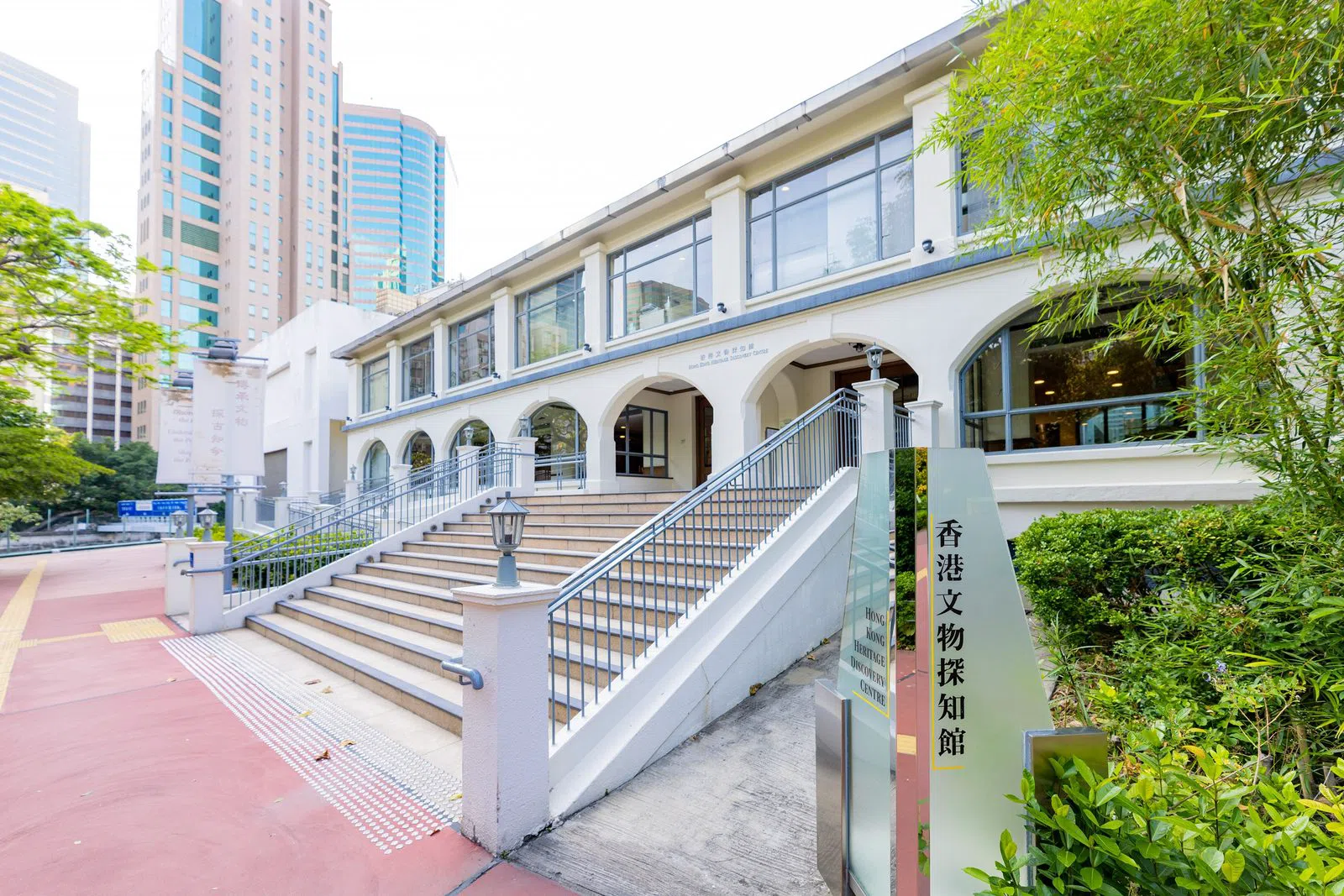
Hong Kong Heritage Discovery Centre (Kowloon Park, Tsim Sha Tsui) is the government's own archaeology shopfront and the place where the Kowloon City digs, including the Lung Tsun Stone Bridge and the Sacred Hill finds, are explained properly. Free, 10:00 to 18:00, to 19:00 at weekends and public holidays, closed Thursdays; the Antiquities and Monuments Office takes group and school bookings for talks and thematic tours.
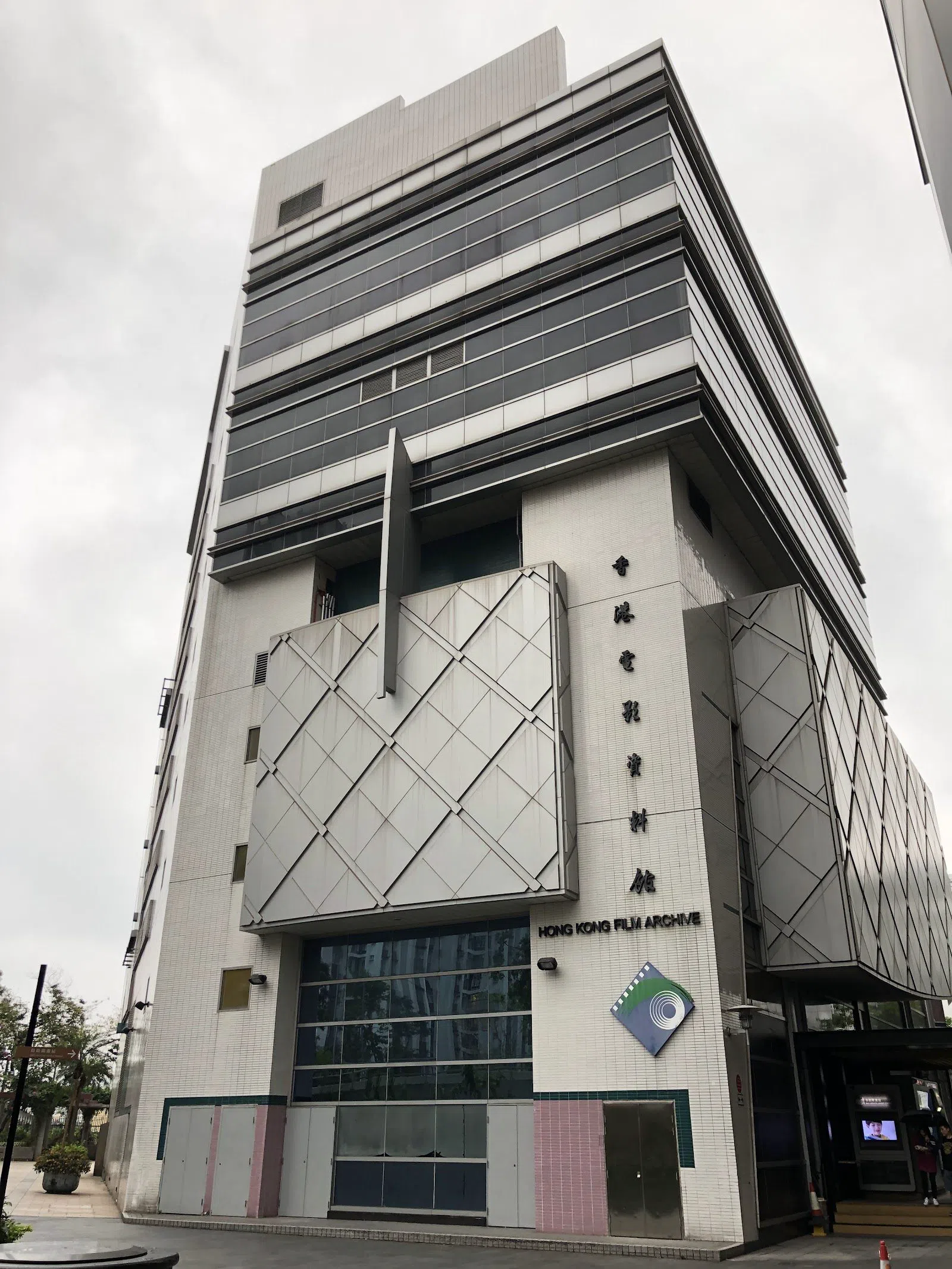
The Walled City survives mostly as footage, and the Hong Kong Film Archive (Sai Wan Ho) is the only place that holds and screens the originals: Crime Story, Bloodsport, Long Arm of the Law. The exhibition hall and resource centre are free, 10:00 to 20:00, closed Tuesdays; screenings are cheap at roughly HK$30 to 65 and sell out, so a group must book seats individually in advance. Check the programme first, because it is a working archive rather than a permanent attraction.
Two more, if the theme grips you. Tai Kwun (Central) is 170 years of Hong Kong law, courts and prisons in one compound, open daily 10:00 to 23:00 and free to enter, with heritage tours bookable and some exhibitions ticketed. It is the exact institution the enclave sat conspicuously outside of. And the Hong Kong Museum of the War of Resistance and Coastal Defence (Shau Kei Wan), renamed and relaunched in September 2024, covers the 19th-century coastal-defence logic that put a Qing garrison inside those walls in the first place. It is free, open 10:00 to 18:00 March to September and to 17:00 October to February, closed Thursdays, and the hillside trail involves real steps and slopes, so it is not a stop for anyone with mobility limits.

Practical notes
Get an Octopus card at any station and stop thinking about fares. The Kowloon City core, meaning the park, the temple, the market and Sung Wong Toi, is walkable end to end in under 40 minutes, using Sung Wong Toi station on the Tuen Ma Line as your hub and Lok Fu on the Kwun Tong Line as the northern alternative. Kai Tak Sky Garden is a further walk east or one stop on the Tuen Ma Line. For the island venues, cross on the Star Ferry from Tsim Sha Tsui. The crossing takes under ten minutes, runs all day and costs a few dollars, and it is a better introduction to the harbour than the tunnel.
The market stalls are cash businesses, so carry small HK dollar notes and coins. Almost everything else on this route is free, which makes this one of the best-value days in the city.
The closures decide your day, not your mood. Wednesdays close the park's exhibition rooms. Thursdays close the Heritage Discovery Centre and the coastal-defence museum. Tuesdays close the Film Archive. Mondays close Mei Ho House. A Friday or Saturday clears all four. Be at the yamen by 08:30 for the movie-set exhibition's morning ticket batch, do the park, temple and Sung Wong Toi before lunch, eat in the market after 14:00, and keep Kai Tak or Cattle Depot for the afternoon.
Two people can do the entire Kowloon City half of this for the price of lunch and a few MTR rides, call it HK$200 to 300 each. Add a Walk in Hong Kong departure at HK$400 to 800 per person and a film screening at HK$30 to 65 and you are still well under what a single museum charges in most capital cities. For where to sleep, the Kowloon City side keeps you closest to the ground itself; compare rates with a Hong Kong hotel search, and read the wider Hong Kong guide if you are stitching this into a longer trip.
Do not expect to feel the Walled City in the park. You will feel it in the temple, in the queue, on the runway line and in a cubicle flat in Sham Shui Po. Then, walking back through Kowloon City after dark with the market still open at midnight, you will look up at a perfectly ordinary tower block and understand exactly what was missing.
Before you go
Is there anything left of the Kowloon Walled City to see?
Yes, but less than most people expect. Kowloon Walled City Park is on the exact footprint, and the only original fabric left anywhere is the yamen building plus the South Gate stones dug out in 1994. Everything else is interpretation, so the guided tours, the temple relics and the film-set exhibition tell you more than the lawn does.
How do I get tickets to the Walled City movie set exhibition?
Same-day paper tickets only, handed out outside the yamen, two per person maximum, in a morning batch from 08:45 and an afternoon batch from 13:45. Entry is free, capped at 60 people per 15-minute slot. You cannot book online and you cannot reserve as a group, so arrive around opening. The exhibition runs until 23 May 2028.
Can a group of ten do this itinerary together?
Mostly, with two exceptions. The film-set exhibition takes no group bookings at all, so your ten people queue as individuals. Hau Wong Temple is a small working hall, so keep it to under a dozen and go quiet. Everything else, including the park lawns, Kai Tak Sky Garden and the museums, handles a group of ten easily.
Which day of the week is best for this walk?
Friday or Saturday. Wednesdays close the park's exhibition rooms, Thursdays close the Heritage Discovery Centre and the coastal-defence museum, Tuesdays close the Film Archive and Mondays close Mei Ho House. Pick a day that clears all four rather than rebuilding your route on the pavement.
Is a paid guided tour worth it when the site is free?
For most visitors, yes. Walk in Hong Kong does two Kowloon City walks at roughly HK$400 to 800 per person for two hours, plus private bookings, and the LCSD offers free tours of the park itself if your budget is tight. Without a guide, the park reads as a pleasant garden and the story stays invisible.