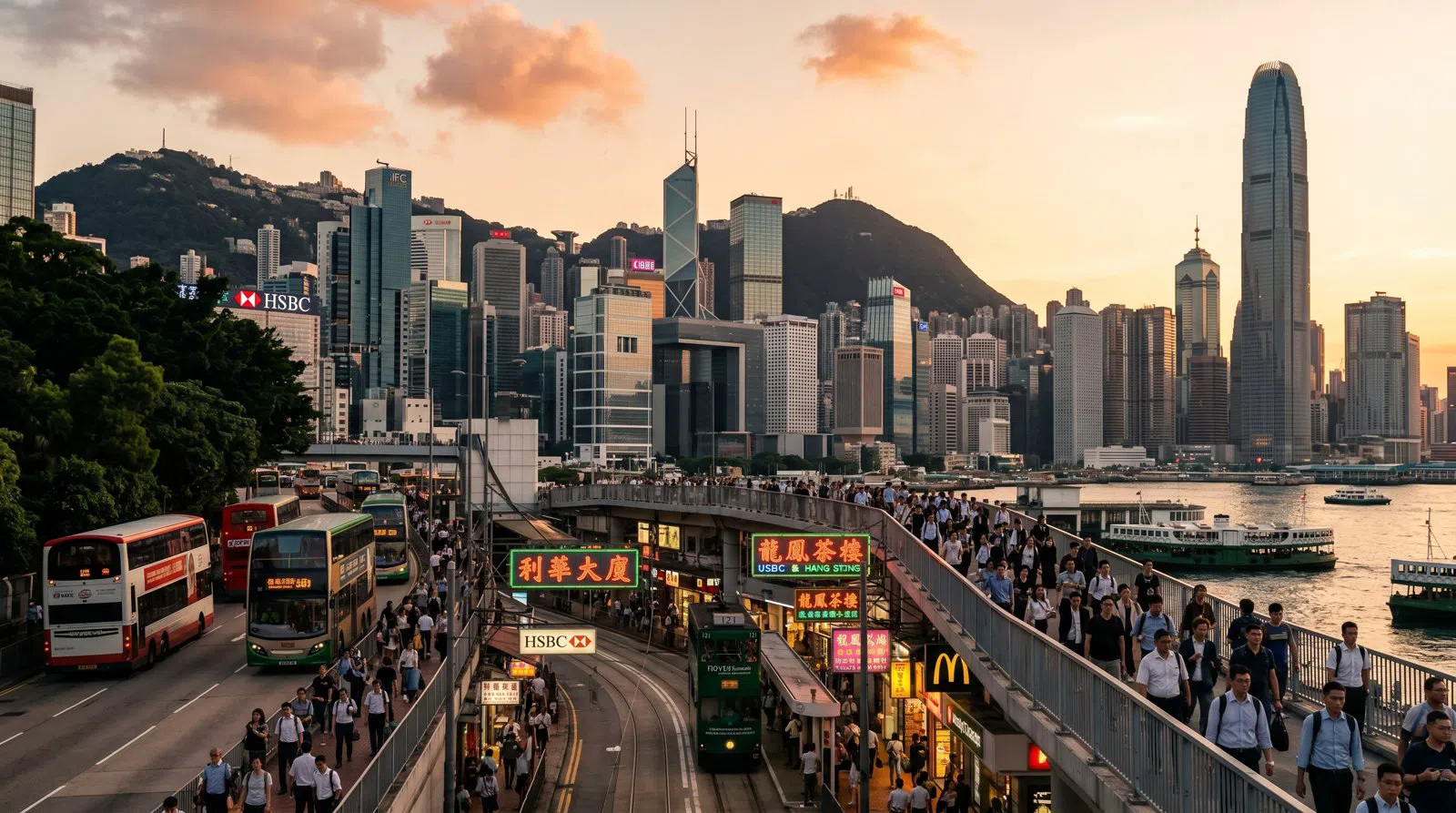
Hong Kong
Hong Kong is a vertical marvel of concrete, glass, and jungle, compressed into one of the most hyper-dense territories on earth.
Guests & rooms
The Hong Kong guide
An insider’s read on Hong Kong
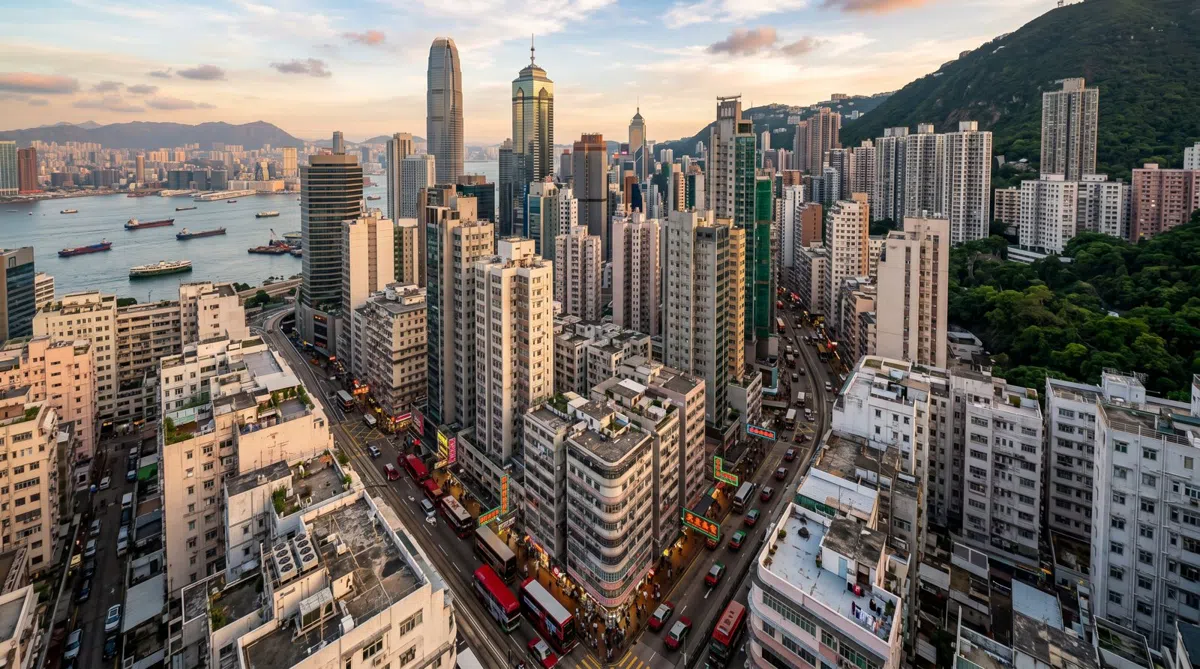
HHong Kong is a vertical marvel of concrete, glass, and jungle, compressed into one of the most hyper-dense territories on earth.
Hong Kong's identity is forged from its unique position as a maritime gateway and a historical borderland. For centuries a collection of fishing villages and pirate havens, it became a British colony in 1841 following the First Opium War. Over the next century and a half, it grew into a global trade hub, shaped by waves of migration from mainland China that brought capital, skills, and culinary traditions. The 1997 handover to China established the "One Country, Two Systems" framework, creating a complex, dual identity that is constantly being renegotiated. The local character is defined by resilience, pragmatism, and speed. Cantonese is the heartbeat of the city—sharp, tonal, and fast-paced. There is a distinct local pride in Hong Kong's unique cultural fusion, which manifests in everything from the hybrid colonial dishes served in local diners to the preservation of traditional characters in written signs. It is a city that has survived epidemics, financial crises, and political shifts, always adapting with a relentless, forward-looking energy.
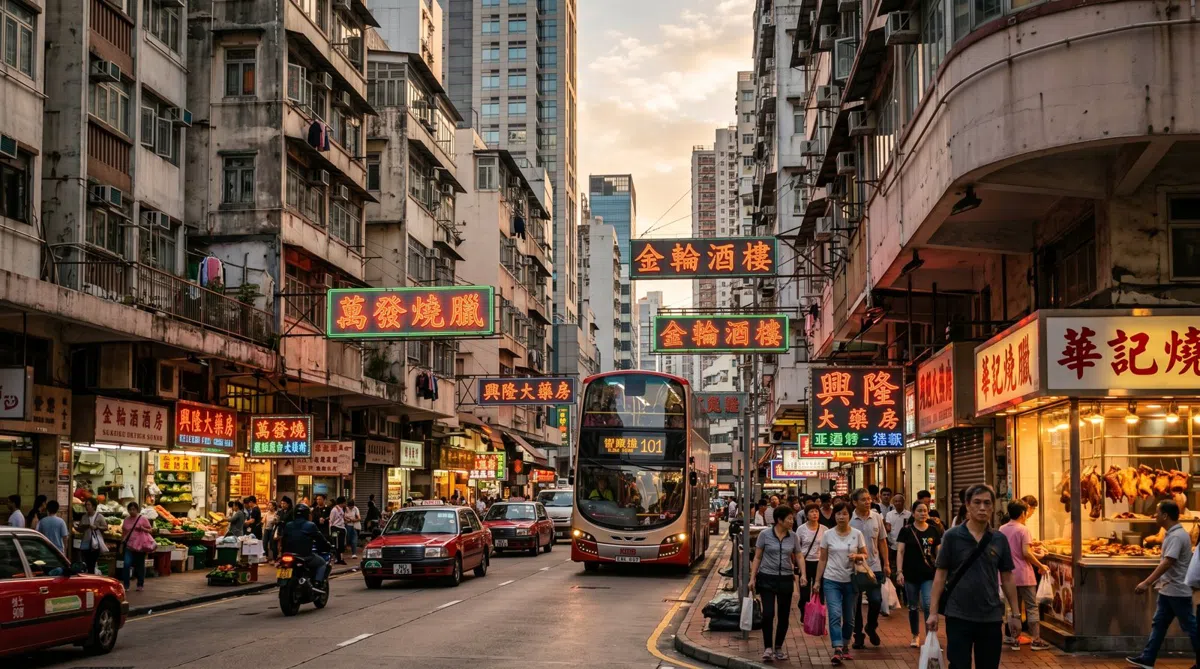
PLATE IHong Kong, China
Guides & ideas
The Hong Kong reading list
Hand-written guides from our editors — itineraries, the best of after dark, where to eat, and what’s genuinely worth your time.

Walking the Ghost of Kowloon Walled City in Hong Kong
Hong Kong pulled down the densest place it ever built in 1994. Enough is left to read it by: the walking route, the ticket queue and the temple.
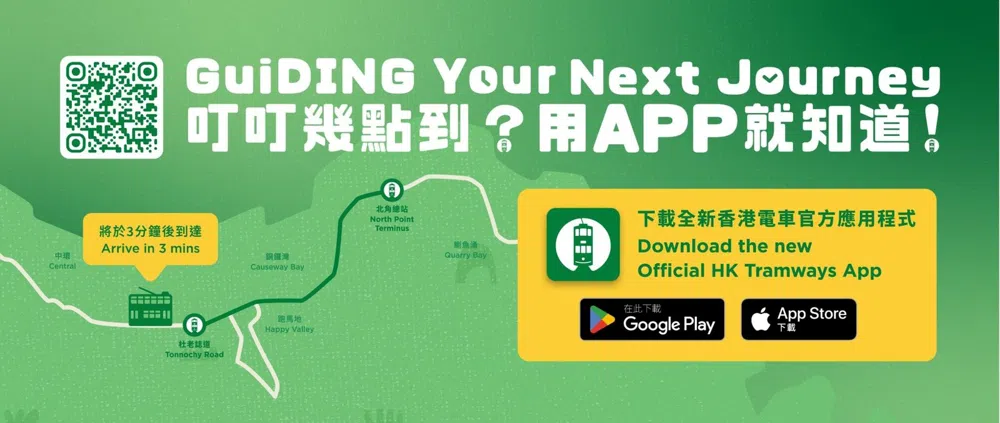
Hong Kong's Last Tram of the Night and the Hours After It
The Ding Ding stops running between 23:15 and 00:30. Here is how to catch the last one across Hong Kong Island, and what is still open at 3am once it has gone.

Hong Kong's Typhoon Shelters: The Floating Communities and the Seafood That Feeds the City
A 2026 guide to the sheltered harbours where boat-dwelling families invented typhoon shelter crab, and the sampan kitchens, dai pai dong and island ferries where that world still feeds Hong Kong today.

Hong Kong's hiking trails and green space — the surprising wilderness beyond the skyscrapers, from Dragon's Back to the MacLehose Trail
Forty percent of Hong Kong is protected country park, and most of it starts a single MTR ride from your hotel — this is the wilderness the skyline hides, walked, not driven to.

Wok Hei and Green Awnings: Eating at Hong Kong's Vanishing Dai Pai Dong
The open-air stalls that built Hong Kong's street-food reputation are disappearing one licence at a time — here's where to still eat the real thing in 2026, what to order, and how to get a stool.
Where to base yourself
The neighborhoods
01
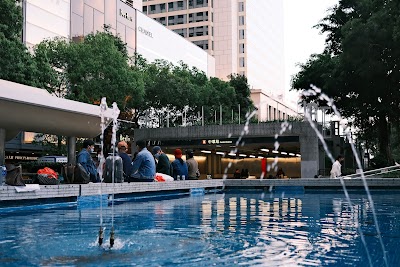
Central
For Business travelers, luxury seekers, and those who want to be in the thick of the action. The trade-off is high accommodation costs and steep, crowded streets.
The financial powerhouse of the city, where glass skyscrapers tower over colonial-era landmarks. By day, it is filled with fast-walking professionals; by night, the focus shifts to high-end dining and the nightlife districts of Lan Kwai Fong and SoHo.
Where to stay — High-end international luxury hotels dominate this area, offering harbor views and direct access to major shopping malls.
02
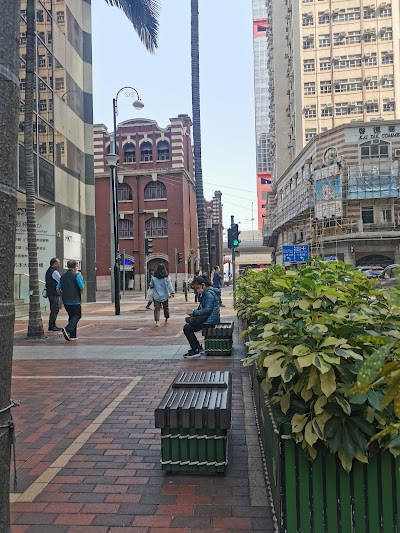
Sheung Wan
For Creative travelers, coffee enthusiasts, and those who prefer a more relaxed, neighborhood feel. The trade-off is a lack of direct harbor views and very steep hills.
A neighborhood where traditional Chinese medicine shops, dried seafood wholesalers, and historic temples sit alongside minimalist coffee roasters and independent art galleries.
Where to stay — Boutique design hotels and stylish serviced apartments tucked away in narrow alleys.
03
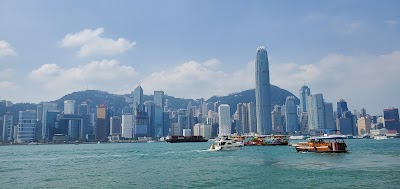
Tsim Sha Tsui
For First-time visitors who want iconic views and easy transit access. The trade-off is that it is highly touristy, with aggressive street vendors selling copy watches and tailored suits.
Located at the southern tip of the Kowloon peninsula, this area offers the classic postcard views of the Hong Kong skyline. It is a dense mix of luxury shopping malls, museums, and neon-lit side streets.
Where to stay — Grand heritage hotels along the waterfront and budget guesthouses inside older high-rises further inland.
04
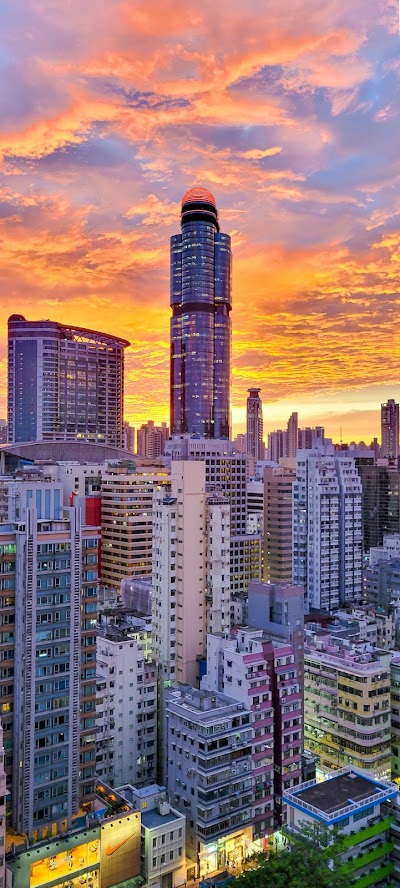
Mong Kok
For Bargain hunters, street photographers, and those who want to experience the gritty, high-octane side of Kowloon. The trade-off is intense crowds, noise, and a lack of green space.
One of the most densely populated spots on earth. It is a sensory overload of neon signs, street markets, electronics shops, and local street food stalls.
Where to stay — Mid-range business hotels and budget-friendly local guesthouses.
05
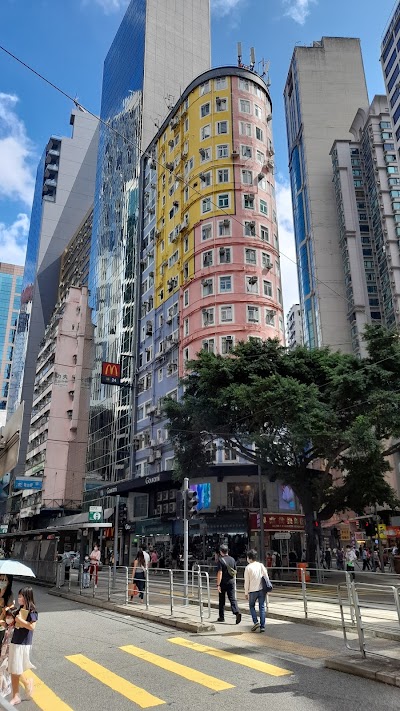
Wan Chai
For Food lovers and nightlife enthusiasts who want a mix of local grit and modern dining. The trade-off is heavy traffic and noisy main roads.
A dynamic district with a colorful past. Once known primarily for its red-light district, it has evolved into a culinary hotspot with trendy bars, historic tenement buildings, and a major convention center.
Where to stay — Excellent mid-range boutique hotels and business-focused high-rises.
06
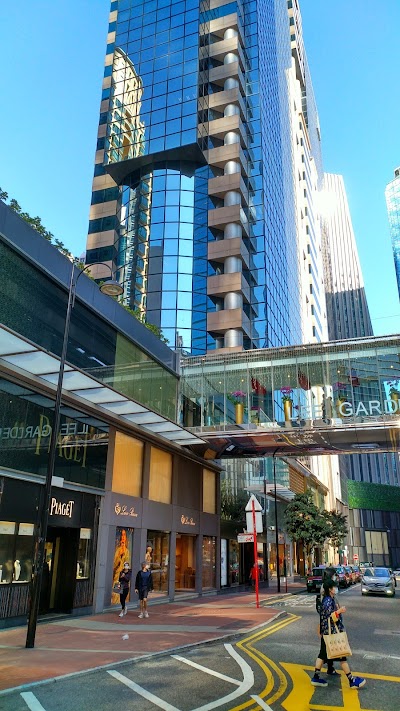
Causeway Bay
For Dedicated shoppers and those who thrive on urban energy. The trade-off is overwhelming crowds and high noise levels.
The retail heart of Hong Kong Island. It is a relentless maze of department stores, fashion boutiques, and 24-hour malls, where the streets are packed from noon until midnight.
Where to stay — Modern high-rise hotels catering to shoppers and business travelers.
07
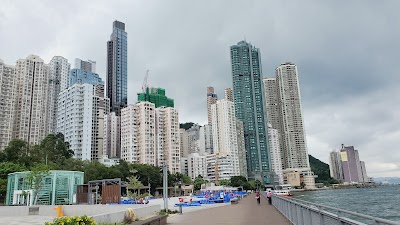
Kennedy Town
For Slow travelers, craft beer fans, and those who want a seaside vibe without leaving the city. The trade-off is that it is further from major cultural sights.
Situated at the western end of the Island Line, this former industrial and slaughterhouse district has transformed into a relaxed waterfront neighborhood favored by expats and young professionals.
Where to stay — Mainly residential, but there are a few modern, mid-range hotels with great sea views.
08
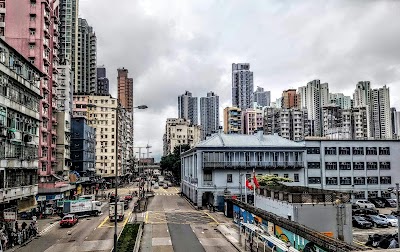
Sham Shui Po
For Budget travelers, vintage shoppers, and foodies looking for authentic local flavors. The trade-off is older, run-down buildings and a lack of luxury amenities.
A working-class neighborhood in northern Kowloon that remains resolutely old-school. It is the capital of textiles, electronics parts, and some of the cheapest Michelin-recommended street food in the world.
Where to stay — Very limited hotel options; best visited as a day trip or stayed in via budget hostels.
09
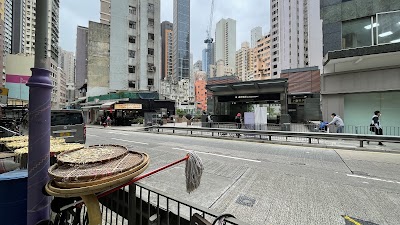
Sai Ying Pun
For Foodies and travelers who enjoy a neighborhood feel with a steep physical challenge. The trade-off is the brutal uphill walk from the MTR station.
A steep neighborhood built on the slopes of Victoria Peak, where traditional dried seafood shops on the lower streets give way to trendy Western restaurants and bars on the upper terraces.
Where to stay — Stylish mid-range hotels offering excellent views of the western harbor.
Book direct
Book a hotel in Hong Kong
Loading live availability and real-time prices…
Where to eat
Dining
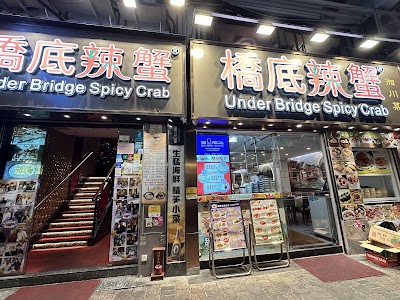
Under Bridge Spicy Crab
€€€Wan Chai
Famous for its signature typhoon shelter-style crab, cooked with mountains of fried garlic, scallions, and chili.
Signature — Typhoon Shelter Spicy Crab
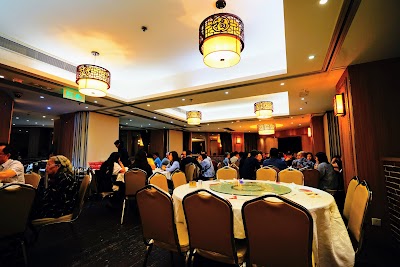
Sing Kee Seafood
€€€Sai Kung
A multi-story waterfront institution in the New Territories, celebrated for its pristine tanks and perfectly timed steaming techniques.
Signature — Deep-fried Abalone with Salt and Pepper
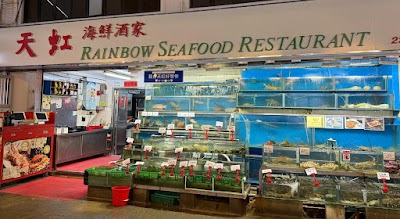
Rainbow Seafood Restaurant
€€€Lamma Island
Offers an open-air dining experience right on the pier of Sok Kwu Wan, accessible by a dedicated ferry service.
Signature — Baked Lobster with Cheese and Butter
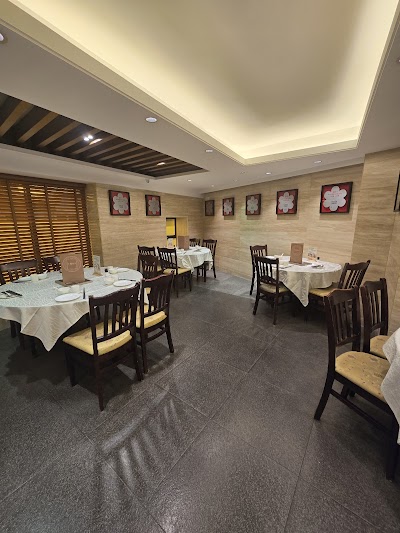
Loaf On
€€€Sai Kung
A Michelin-starred neighborhood favorite that elevates simple, home-style seafood dishes with exceptional ingredients.
Signature — Steamed Wild Sea Bass with Soy Sauce
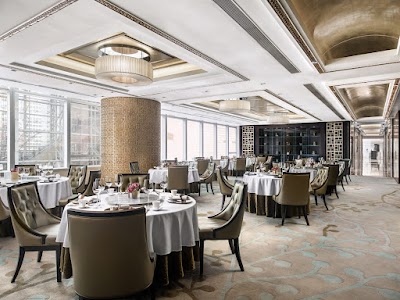
Ming Court
€€€€Mong Kok
An elegant hotel dining room that pairs refined Cantonese seafood dishes with an extensive global wine list.
Signature — Sautéed Giant Garoupa Fillet with Sugar Snaps
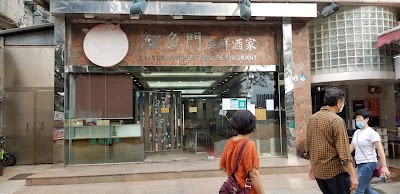
Lei Yue Mun Seafood Bazaar
€€€Lei Yue Mun
A traditional fishing village enclave where you select live seafood from market stalls and take it to nearby restaurants to be cooked.
Signature — Steamed Scallops with Garlic and Glass Noodles
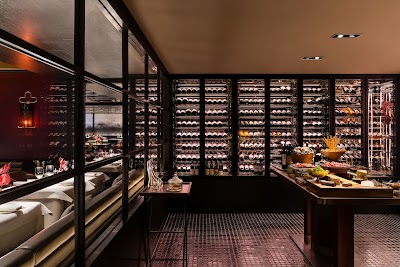
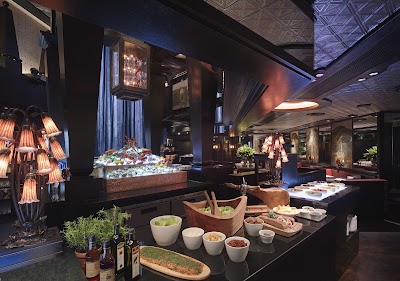
The Steak House at Regent
€€€€Tsim Sha Tsui
Features an open charcoal grill and an extensive salad bar, set against floor-to-ceiling views of Victoria Harbour.
Signature — USDA Prime Ribeye cooked over charcoal
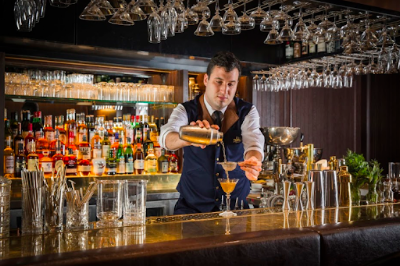
Grand Hyatt Steakhouse
€€€€Wan Chai
A classic, dark-wood dining room offering premium cuts, a comprehensive wine cellar, and old-school tableside service.
Signature — Tomahawk Steak for two
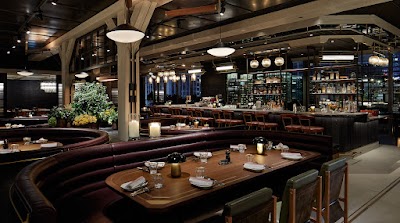
Buenos Aires Polo Club
€€€€Central
An upscale Argentinian steakhouse with a handsome, clubby atmosphere filled with polo memorabilia and leather booths.
Signature — Ribeye steak with chimichurri
Henry
€€€€Tsim Sha Tsui
Located inside the Rosewood hotel, this modern smokehouse pays homage to the culinary traditions of the American South.
Signature — Smoked Beef Brisket
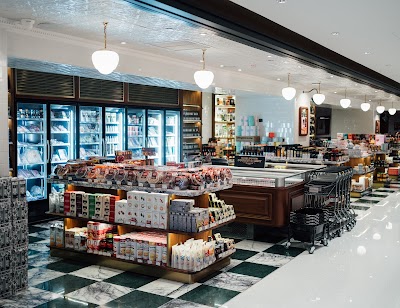
Feather & Bone
€€Mid-Levels
A butcher-and-bistro concept where you select your cut directly from the retail counter to be cooked to order.
Signature — Dry-aged Australian Sirloin
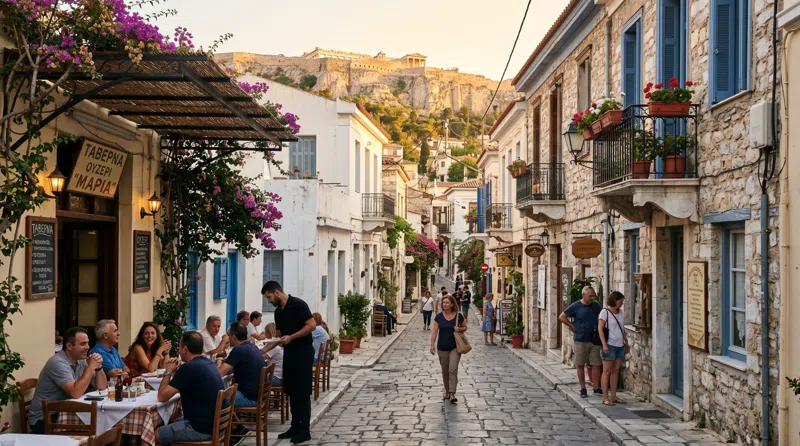
Assaje
€€€Central
A cozy, intimate spot focusing on Italian-style grilled meats and high-quality charcuterie boards.
Signature — Florentine T-Bone Steak
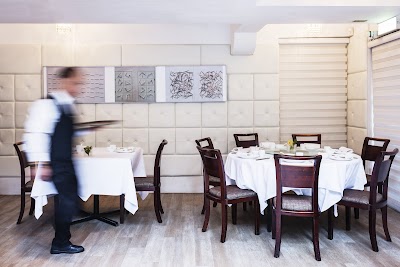
The Chairman
€€€€Central
Widely regarded as one of the finest Cantonese restaurants in the world, sourcing ingredients from local organic farms and fishing boats.
Signature — Steamed Flowy Crab with Shaoxing Wine and Flat Rice Noodles
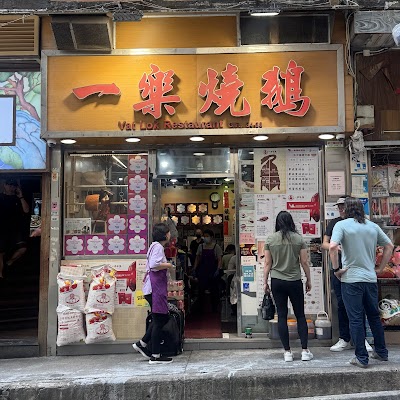
Yat Lok
€€Central
A no-nonsense, Michelin-starred family joint famous for its incredibly crispy, flavorful roast goose.
Signature — Roast Goose with Drumstick over Lai Fun Noodles
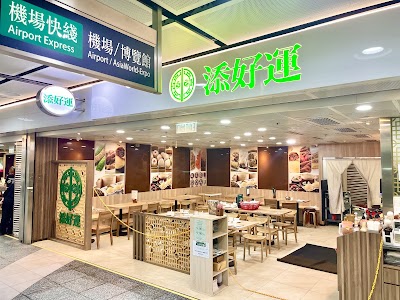
Tim Ho Wan
€Sham Shui Po
The original branch of the famous dim sum specialist, offering Michelin-grade bite-sized dishes at incredibly low prices.
Signature — Baked BBQ Pork Buns
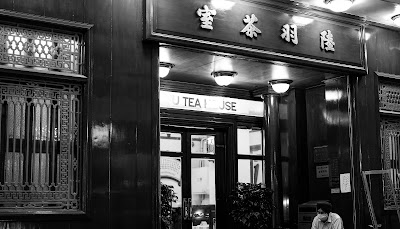
Luk Yu Tea House
€€€Central
A multi-story institution operating since the 1930s, featuring wooden booths, stained glass, and traditional dim sum trolley service.
Signature — Steamed Chicken Bun
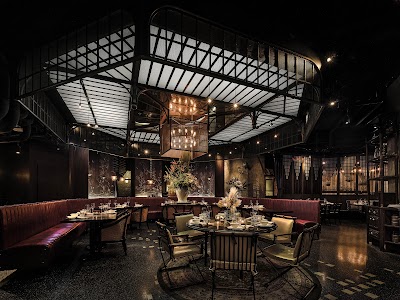
Mott 32
€€€€Central
Located in a dramatic basement, this stylish venue blends industrial design with exceptional, modern Chinese cooking.
Signature — Apple Wood Roasted Peking Duck
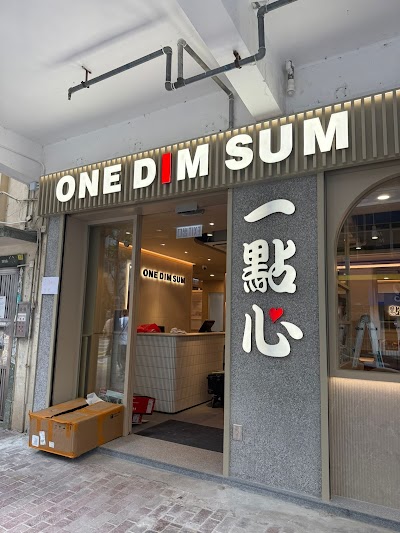
One Dim Sum
€Prince Edward
A beloved local spot where crowds queue daily for fresh, handmade dim sum served in a casual setting.
Signature — Steamed Shrimp Dumplings (Har Gow)
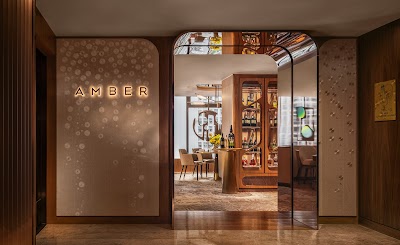
Amber
€€€€Central
Led by chef Richard Ekkebus, this progressive restaurant offers a dairy-free, low-salt French menu focused on pure flavors.
Signature — Aka Uni with Cauliflower and Caviar
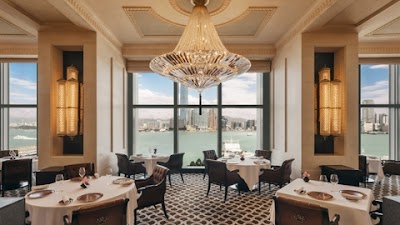
Caprice
€€€€Central
An opulent French dining room inside the Four Seasons, featuring open kitchens, crystal chandeliers, and an exceptional cheese cellar.
Signature — Racan Pigeon cooked in cocoa pod
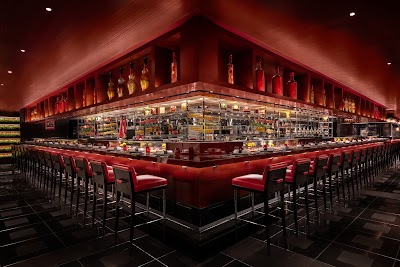
L'Atelier de Joël Robuchon
€€€€Central
Features a circular red-and-black counter surrounding an open kitchen, serving refined French small plates.
Signature — La Caille (Free-range quail stuffed with foie gras)
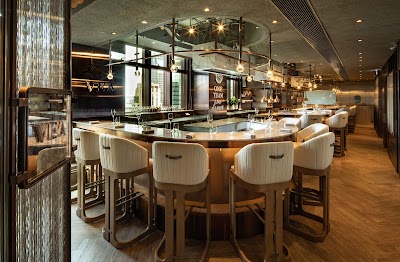
VEA
€€€€Central
Pioneers "Chinese-French" gastronomy, using classic French culinary techniques to elevate traditional Chinese ingredients like sea cucumber and abalone.
Signature — Roasted Sea Cucumber with Tiger Prawn mousse
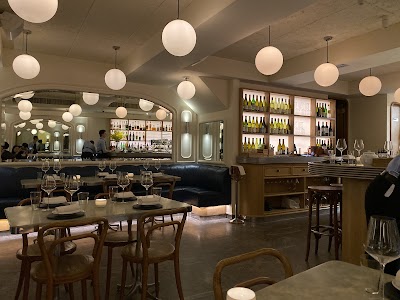
Belon
€€€€SoHo
A sleek, minimalist neo-Parisian bistro that executes classic French dishes with absolute technical precision.
Signature — Whole Roasted Chicken with Foie Gras
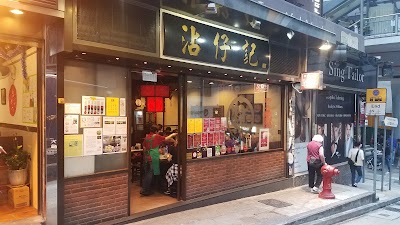
Tsim Chai Kee
€Central
A legendary noodle shop serving massive, ping-pong-ball-sized shrimp wontons in a rich, savory broth.
Signature — Wonton Noodle Soup
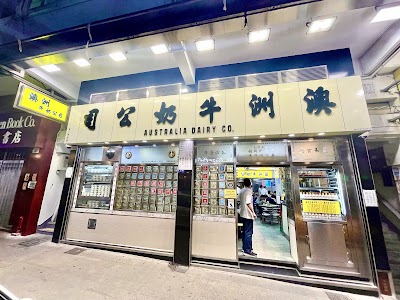
Australia Dairy Company
€Jordan
A chaotic local diner famous for its lightning-fast service, legendary scrambled eggs, and local breakfast sets.
Signature — Scrambled Egg Toast
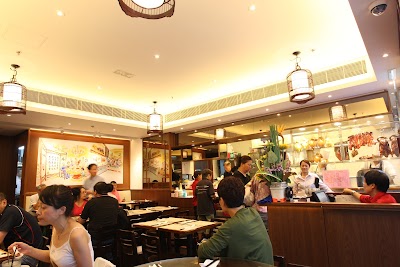
Kam's Roast Goose
€€Wan Chai
Founded by the grandchildren of the original Yung Kee founder, serving exceptional roast meats in a compact space.
Signature — Roast Goose over Rice
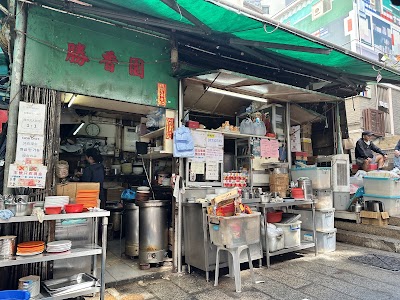
Sing Heung Yuen
€Central
One of the city's few remaining open-air street stalls, famous for its unique tomato-based noodle soups.
Signature — Tomato and Beef Instant Noodles
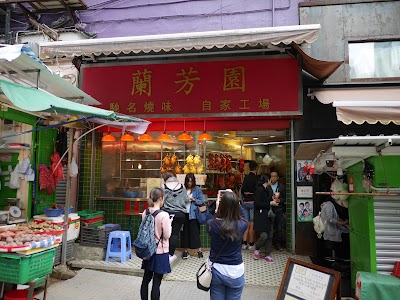
Lan Fong Yuen
€Central
Operating since the 1950s, this historic stall is credited with inventing the smooth, silk-stocking milk tea.
Signature — Pork Chop Bun and Silk Stocking Milk Tea
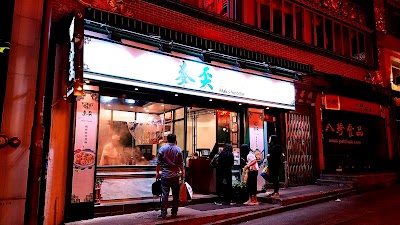
Mak's Noodle
€Central
A historic noodle house serving traditional, bite-sized portions of springy noodles in a dried-flounder broth.
Signature — Traditional Wonton Noodles
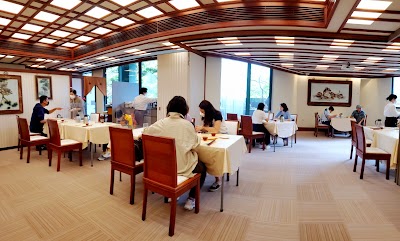
Chi Lin Vegetarian
€€Diamond Hill
Located behind a waterfall inside the scenic Nan Lian Garden, serving refined, oil-free Buddhist vegetarian dishes.
Signature — Fried Matsutake Mushrooms
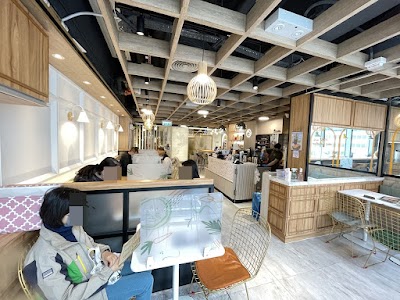
Green Common
€€Central
A casual plant-based cafe and grocery store showcasing modern meat alternatives in local favorite dishes.
Signature — OmniPork Luncheon Meat Ramen
Veggie Kingdom
€€Tsim Sha Tsui
A modern dim sum restaurant that recreates classic Cantonese dim sum and roast meats using plant-based ingredients.
Signature — Vegetarian BBQ Pork (Char Siu)
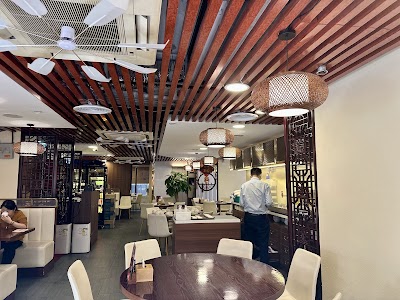
Pure Veggie House
€€Mid-Levels
Offers organic, MSG-free Buddhist vegetarian dim sum and hot pot in a peaceful, traditional setting.
Signature — Steamed Matsutake Dumplings
After dark
Nightlife
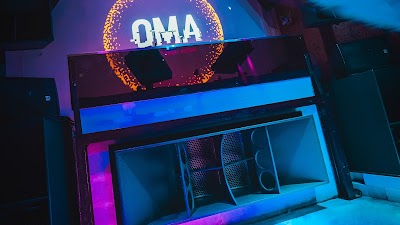
Oma
Central
An intimate, low-ceilinged basement club dedicated to underground house, techno, and electronic music.
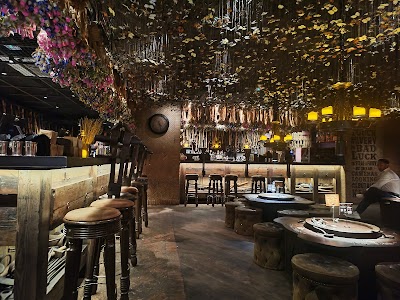
Iron Fairies
Central
A visually striking space designed by Ashley Sutton, featuring thousands of suspended butterflies and iron figurines.
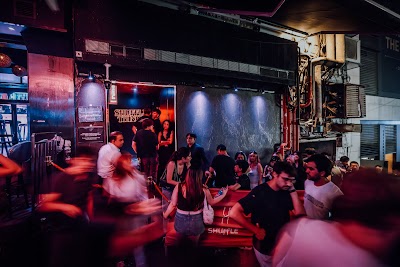
Shuffle
Central
A modern club in Lan Kwai Fong known for its state-of-the-art sound system and lively dance floor.
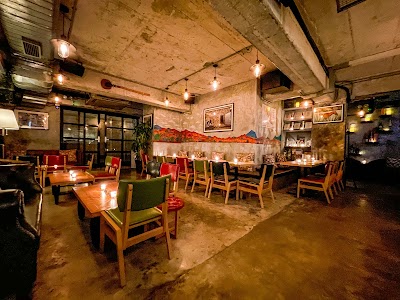
Coa
Central
Frequently ranked as the top bar in Asia, specializing in artisanal agave spirits, mezcal, and tequila.
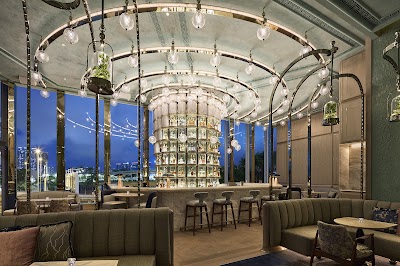
Argo
Central
Located inside the Four Seasons, featuring a dramatic central bar column and innovative cocktails using futuristic ingredients.
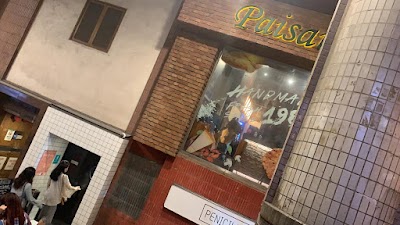
Penicillin
Central
The city's first closed-loop, eco-conscious bar, focused on waste reduction and locally sourced ingredients.
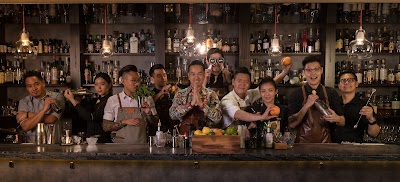
Quinary
Central
A pioneer of multisensory mixology, using rotary evaporators and centrifuges to create unique texture-driven drinks.
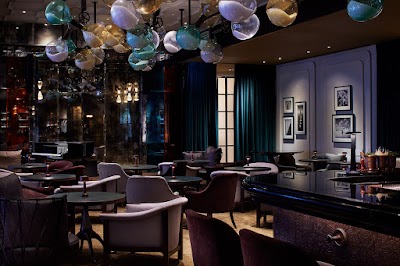
DarkSide
Tsim Sha Tsui
A sophisticated hotel bar at the Rosewood, celebrating dark spirits, vintage ports, and hand-rolled cigars.
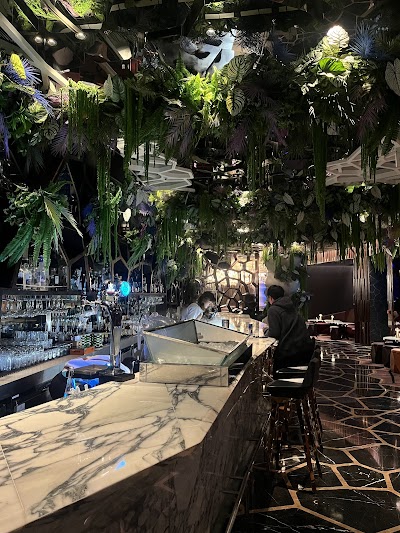
Ozone
Tsim Sha Tsui
One of the highest bars in the world, located on the 118th floor of the Ritz-Carlton, offering dizzying views.
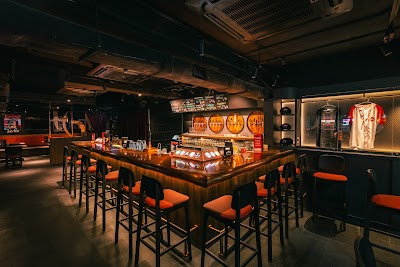
The Wanch
Wan Chai
An iconic live music institution operating since 1987, hosting local rock, indie, and acoustic acts every night of the week.
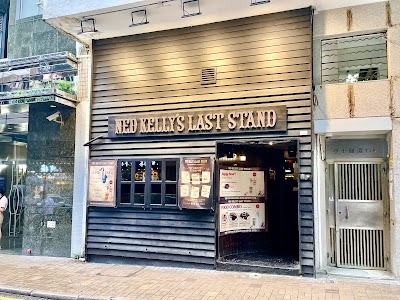
Ned Kelly's Last Stand
Tsim Sha Tsui
One of the city's oldest pubs, famous for its house Dixieland jazz band that performs nightly.
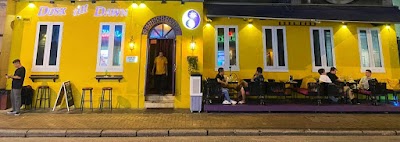
Dusk Till Dawn
Wan Chai
A lively venue featuring high-energy cover bands playing classic pop and rock hits until the early hours.
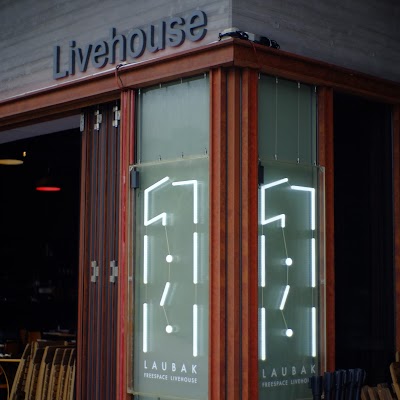
Lau Bak Livehouse
West Kowloon
Located in the Freespace art complex, showcasing local independent musicians, folk artists, and experimental jazz.
Art & history
Culture

M+
West Kowloon
One of the largest museums of modern and contemporary visual culture in the world, housed in a striking building designed by Herzog & de Meuron.
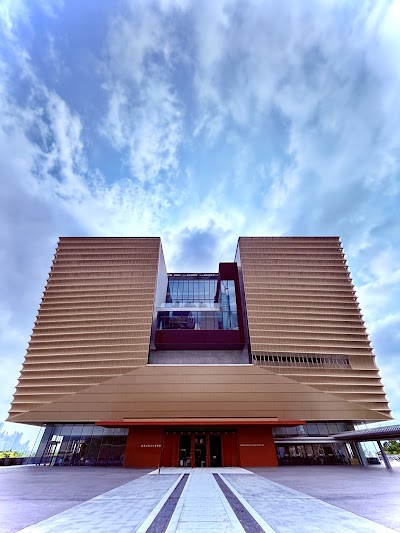
Hong Kong Palace Museum
West Kowloon
Exhibits exquisite Chinese imperial treasures on loan from the Forbidden City in Beijing, set in a modern architectural interpretation of traditional vessels.
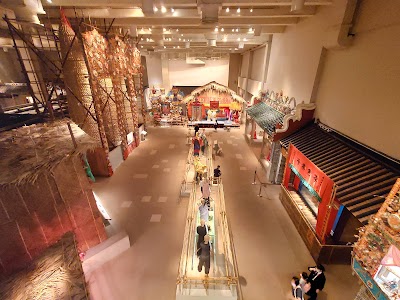
Hong Kong Museum of History
Tsim Sha Tsui
Offers a comprehensive journey through the region's geological, cultural, and political past, including the colonial and wartime eras.
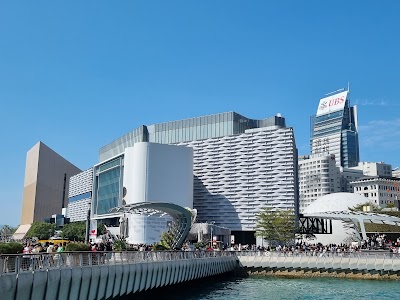
Hong Kong Museum of Art
Tsim Sha Tsui
Located on the waterfront, showcasing Chinese antiquities, calligraphy, and works by local contemporary artists.
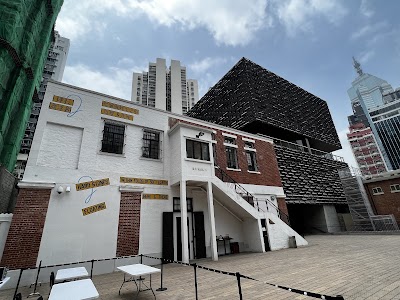
Tai Kwun
Central
A meticulously restored heritage site comprising the former Central Police Station, Central Magistracy, and Victoria Prison, now hosting contemporary art exhibitions.
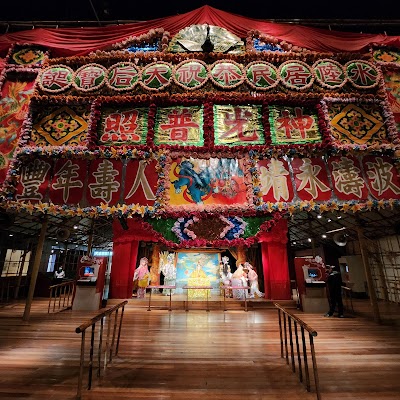
Hong Kong Heritage Museum
Sha Tin
Features diverse exhibitions on local culture, including a permanent gallery dedicated to martial arts icon Bruce Lee.
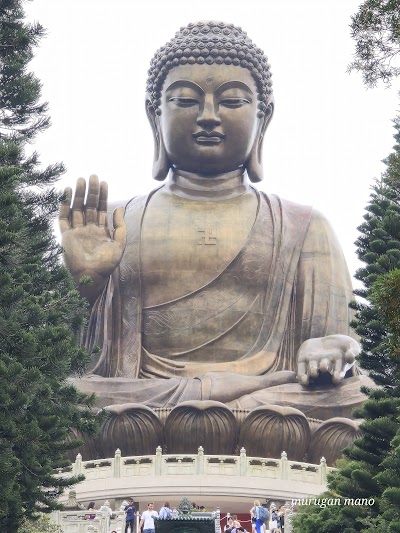
Tian Tan Buddha
Lantau Island
A majestic, 34-meter-tall bronze outdoor Buddha statue situated next to the Po Lin Monastery, reached via a scenic cable car ride.
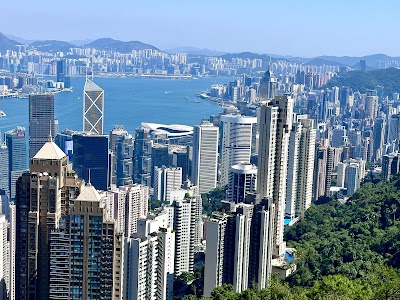
Victoria Peak
The Peak
The highest point on Hong Kong Island, offering the definitive panoramic view of the skyline, harbor, and distant hills.
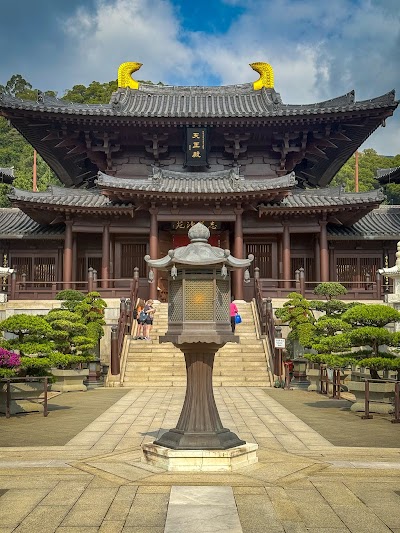
Chi Lin Nunnery
Diamond Hill
A large temple complex built in the Tang Dynasty style entirely from interlocking wood, without a single iron nail.
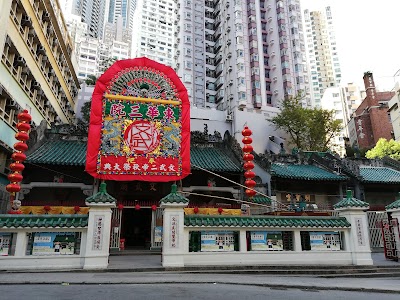
Man Mo Temple
Sheung Wan
A historic mid-19th-century temple dedicated to the gods of Literature and War, filled with giant hanging incense coils.
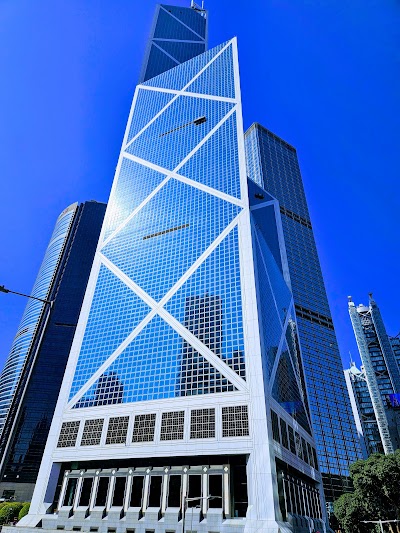
Bank of China Tower
Central
An iconic, asymmetrical skyscraper designed by I.M. Pei, resembling growing bamboo shoots to symbolize livelihood and prosperity.
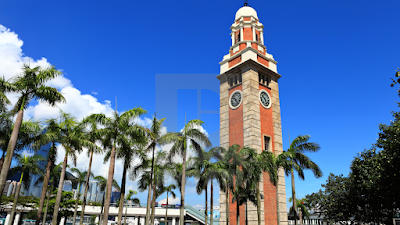
Clock Tower
Tsim Sha Tsui
A 44-meter red brick and granite landmark built in 1915, the only remaining remnant of the former Kowloon-Canton Railway terminus.
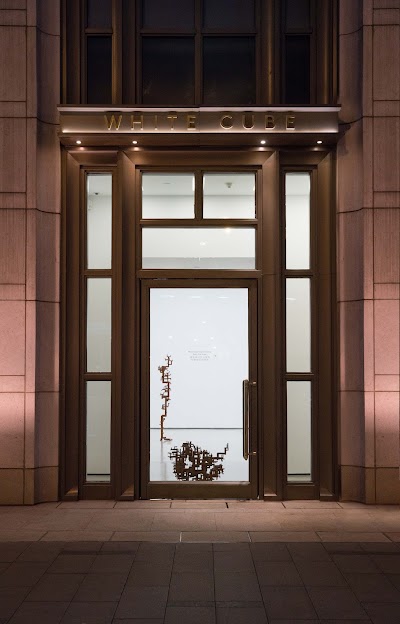
White Cube
Central
The prestigious London gallery's local outpost, presenting museum-quality exhibitions of international contemporary art.
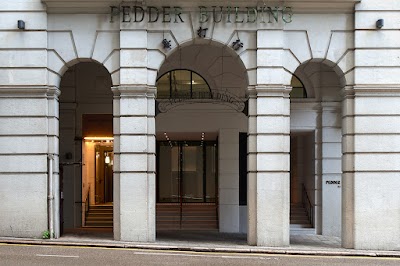
Gagosian
Central
Housed in the historic Pedder Building, this gallery showcases works by some of the most prominent names in modern and contemporary art.
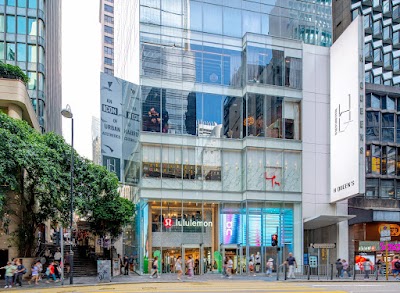
H Queen's
Central
A custom-designed vertical art space housing multiple prestigious international galleries, including David Zwirner and Hauser & Wirth.
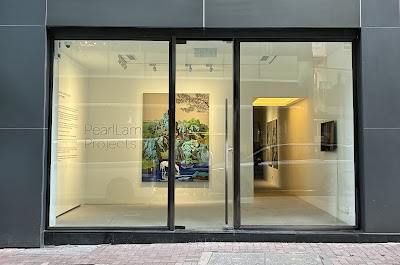
Pearl Lam Galleries
Central
Focuses on promoting contemporary Chinese and international artists, bridging the gap between Eastern and Western artistic dialogues.
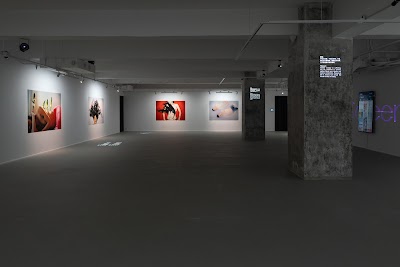
de Sarthe Gallery
Wong Chuk Hang
A spacious industrial gallery space showcasing boundary-pushing contemporary art from Asia and beyond.
Book ahead
Top-rated experiences in Hong Kong

Private Food Tour: Hong Kong Island
from $254

The Authentic Hong Kong - Private Walking Tour
from $260

Tea Tasting and Pairing Concept Workshop
from $65

Custom private tour of Hong Kong Island - Half day
from $228

Lantau Island Private Tour w/ Transport & English speaking guide
from $637

Private custom tour of Hong Kong - Full day
from $316

Hong Kong Private Tour with Master Storyteller (Full or Half Day)
from $203

Mahjong 101 Class for Beginners Workshop
from $85
Prices from Viator; we may earn a commission when you book — at no extra cost to you. Tours are sold and operated by Viator, the merchant of record. Ratings are collected by Viator and Tripadvisor.
Timing
When to visit
Autumn (October to December)
This is the prime travel window. Temperatures hover around 20-25°C with low humidity and minimal rainfall, making it perfect for hiking and outdoor dining.
Winter (January to February)
Cooler and drier, with temperatures occasionally dipping below 12°C. The city is festive around Lunar New Year, though many local shops close for several days during the holiday.
Spring (March to May)
Humidity rises sharply, bringing fog, drizzle, and reduced visibility. The weather is unpredictable, and indoor spaces are heavily air-conditioned.
Summer (June to September)
Hot, wet, and highly humid, with temperatures regularly exceeding 30°C. This is also typhoon season; heavy downpours are common, though indoor attractions remain fully operational unless a high-level warning is issued.
What it costs
Budgeting
Logistics
Getting around
From the airport
The Airport Express train is the most efficient option, connecting Chek Lap Kok Airport to Central in exactly 24 minutes. Trains run every 10 minutes, and tickets can be purchased via mobile app or at the station. Taxis are readily available outside the arrivals hall; ensure you join the correct queue based on your destination (red for Hong Kong Island and Kowloon, green for the New Territories).
Public transit
The Mass Transit Railway (MTR) is clean, fast, and incredibly easy to navigate, covering almost all major districts. Complementing the subway are the historic double-decker trams (known affectionately as 'Ding Dings') running along the northern corridor of Hong Kong Island, and the iconic Star Ferry crossing Victoria Harbour between Central, Wan Chai, and Tsim Sha Tsui.
Passes & tickets
The Octopus Card is non-negotiable. It is a contactless smart card used for all public transport, convenience stores, vending machines, and many casual restaurants. You can purchase a tourist Octopus card at any MTR customer service center for a small deposit (€).
On foot
Hong Kong is highly walkable but physically demanding. The city is built vertically, meaning short horizontal distances on a map often involve steep staircases, outdoor escalators, and elevated pedestrian footbridges. Good footwear is essential, especially in hilly districts like Central, SoHo, and Sheung Wan.
Travel smart
Safety & etiquette
Local etiquette
- •When dining in busy local cafes, expect to share large round tables with strangers (known as 'daap toi').
- •Never stick your chopsticks vertically into a bowl of rice, as this resembles incense sticks offered to the dead.
- •Always use two hands when presenting or receiving business cards, credit cards, or money.
From the ground
Practical tips
1
Download the 'HK Taxi' app to book rides, as hailing cabs on the street can be difficult during shift changes (usually around 4:00 PM).
2
Buy an Octopus card immediately at the airport; it will save you hours of queuing for individual tickets.
3
Avoid visiting major attractions like Victoria Peak or Lantau Island on weekends or public holidays when local crowds peak.
4
Use the free in-town check-in service at Hong Kong or Kowloon MTR stations if you are flying with participating airlines, allowing you to drop your bags hours before your flight.
5
Carry cash, as many traditional dim sum restaurants, dai pai dongs, and market stalls do not accept credit cards.
6
Look out for the 'QTS' (Quality Tourism Services) decal on shops and restaurants, which indicates they have met strict standards of service and product quality.
Hong Kong FAQs
Do I need a visa to visit Hong Kong?
Most nationalities, including citizens of the EU, US, UK, Canada, and Australia, do not require a visa for tourist stays ranging from 30 to 90 days.
Is English widely spoken?
Yes, English is an official language alongside Cantonese. It is widely used in hotels, major restaurants, and public transport, though taxi drivers and staff in local diners may speak limited English.
Should I tip in restaurants?
A 10% service charge is usually added to the bill in mid-to-high-end restaurants. In casual local diners, tipping is not expected, though leaving small change is appreciated.
How do I pay for public transport?
The Octopus Card is the standard payment method for all public transport. Credit cards are accepted on the MTR and Airport Express, but cash or Octopus is required for trams and some buses.
Is the tap water safe to drink?
While the government states the water is safe at the source, older plumbing systems mean it is highly recommended to boil tap water or drink filtered/bottled water instead.